
Stone tools: origins, types, and archaeological importance
Overview of stone tools: manufacture, major early finds including the 3.3 Ma Lomekwian material, key technologies, methods of analysis and why stone artifacts matter for human prehistory.
Overview
Stone tools are objects intentionally modified or produced from rock and mineral materials (stone) to perform tasks such as cutting, scraping, pounding, piercing and digging. Because they preserve well in many environments, stone artifacts provide the primary record of technological behaviour for much of human prehistory and are the foundation for dividing deep time into broad stages such as the Stone Age. Stone tools document aspects of cognition, subsistence, mobility and cultural transmission among early hominins.
Image gallery
10 Images




Materials and manufacture
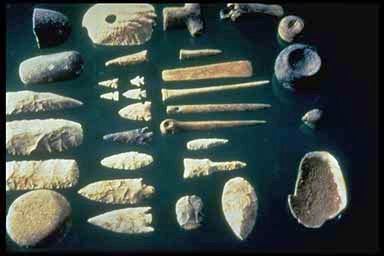
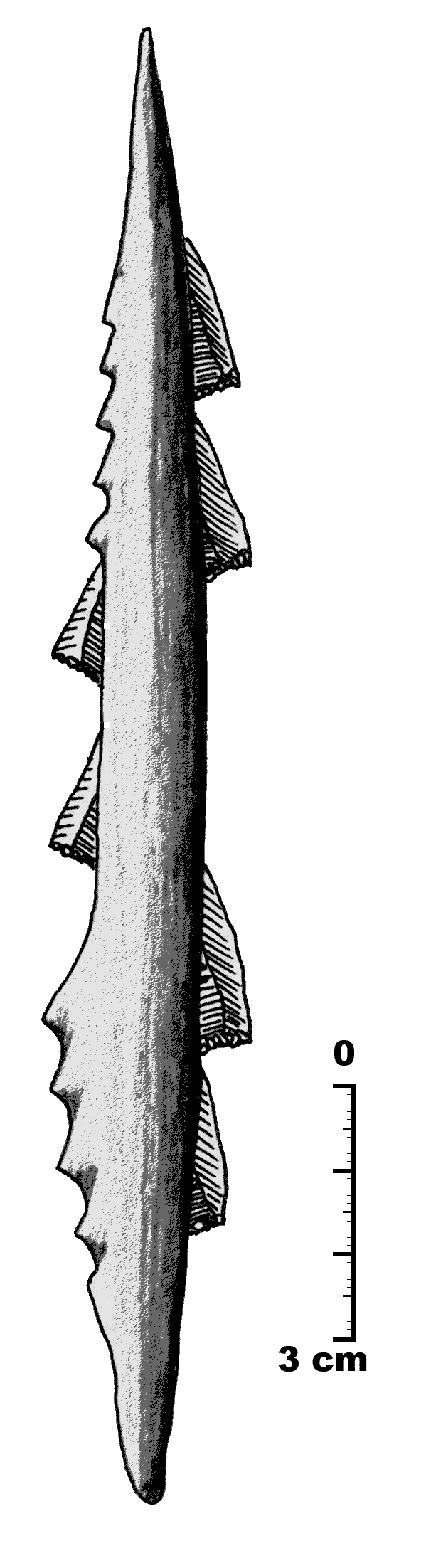
Knappers selected knappable raw materials with predictable fracture properties, including flint, chert, quartz, obsidian and basalt. Basic production methods include direct percussion—striking a core with a hammerstone to detach flakes—and bipolar or anvil techniques. More refined processes, such as pressure flaking, allow controlled removal of small flakes and the shaping of bifacial implements. Artefacts produced in these processes fall into categories such as cores, detached flakes, blades and retouched tools; each form reflects choices about raw material, intended function and the skill of the maker.
Archaeological history and earliest finds
For much of the twentieth century, the oldest widely recognised artefacts were assigned to the Oldowan industry and associated with early members of the genus Homo, including species such as Homo habilis and later hominins like Homo erectus. Discoveries at the shores of Lake Turkana in Kenya, however, extended the record: stone artefacts dated to about 3.3 million years ago were reported, suggesting that simple toolmaking began before the emergence of the genus Homo. The assemblage, sometimes referred to with the proposed name Lomekwian, has been linked as potential products of australopiths such as Australopithecus afarensis or taxa like Kenyanthropus platyops, although specific maker attributions remain debated.
Types, technology and examples
- Oldowan: simple cores and sharp flakes used for cutting and processing materials.
- Acheulean: characterised by standardized bifacial tools such as handaxes and cleavers, reflecting extended shaping and planning.
- Prepared-core and blade technologies: later methods that improved raw material economy and produced elongated blanks for diverse retouched tools.
Tools are also described by form and function—choppers, scrapers, burins, microliths and others—and by chaîne opératoire, the sequence of steps in their manufacture. Comparative studies show regional and temporal variation in how these types were produced and used.
Methods of analysis
Archaeologists combine typology with scientific techniques to interpret stone tools. Stratigraphic context and dating methods—such as radiometric dating of volcanic ash and other minerals—establish chronological frameworks. Microscopic use-wear analysis and residue studies reveal how tools were used, while experimental replication helps test hypotheses about manufacture and function. Typological and technological study, together with contextual information, supports cautious reconstructions of behaviour and environment; for example, the Lomekwian finds were dated in part through the volcanic deposits around the site and interpreted alongside palaeoenvironmental data suggesting a more wooded setting (palaeoenvironmental studies).
Uses and cultural significance
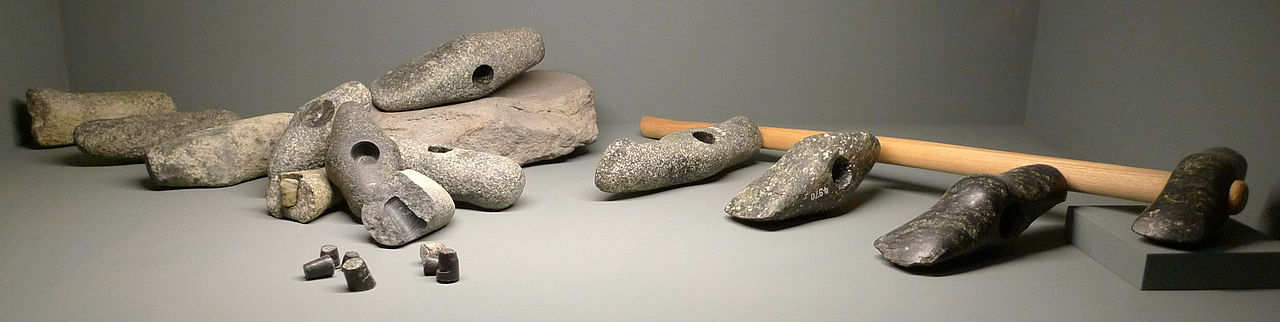
Stone tools expanded the range of accessible resources and enabled new behaviours: butchery and bone marrow extraction, woodworking, plant processing and hide preparation. The advent of hafting—fixing stone implements to handles—provides evidence for composite tool concepts combining different materials. Changes in toolkit complexity and standardisation are commonly viewed as markers of evolving cognitive skills, social learning and possibly teaching.
Regional variation and notable sites
Important early sites and regions include East African localities such as those around Lake Turkana and other Rift Valley sites, where many early hominin fossils and artefacts have been found. Research in Europe, Asia and Africa documents the spread, reinvention and adaptation of stone technologies in different landscapes and climates. For overviews and site-specific information see general resources on stone tools and regional studies (stone tools overview, Lake Turkana research, Kenya sites).
Preservation, biases and interpretation
The stone record is biased toward durable materials, which means many aspects of past behaviour—especially those relying on organic materials—are underrepresented. Taphonomic processes, site formation and sampling strategies influence what archaeologists recover. Consequently, absence of stone tools in a given deposit does not necessarily indicate absence of technology in past populations, and artefact counts must be interpreted in context.
Experimental archaeology and replication
Experimental knapping and use-wear studies are central to interpreting function and skill. Researchers replicate manufacturing sequences and assess how different techniques affect tool form and efficiency. Such work helps distinguish intentional retouch from accidental damage and informs debates about whether early artefacts represent deliberate toolmaking or incidental stone fracture.
Summary
Stone tools are primary evidence for early hominin behaviour and technological evolution. From simple flakes to complex composite implements, they chart changes in raw material use, manufacture skill and subsistence strategies. Discoveries such as the proposed Lomekwian material near Lake Turkana have prompted re-evaluation of the timing and makers of the very first tools, indicating that technology may predate the genus Homo. Ongoing fieldwork, improved dating and analytical methods continue to refine our understanding of how, when and why stone tool technologies arose and spread across ancient landscapes (material selection, H. habilis studies, H. erectus context, genus debates, A. afarensis, Kenyanthropus, environmental research).
Related articles
Author
AlegsaOnline.com Stone tools: origins, types, and archaeological importance Leandro Alegsa
URL: https://en.alegsaonline.com/art/94048