
Sindhi people: history, language, culture, and diaspora
Ethnic group originating in Sindh (now in Pakistan). Overview of their Indo-Aryan language, religious diversity, cultural traditions, historical roots, and global diaspora.
The Sindhi people are a socio-ethnic community traditionally associated with the province of Sindh in South Asia. Their historic homeland corresponds to the lower Indus basin around the river that gives the region its name. Modern Sindh is an administrative province of contemporary Pakistan, and many Sindhis continue to live there, while large communities also exist beyond its borders. For geographic context see Sindh and the modern state of Pakistan.
Image gallery
10 Images


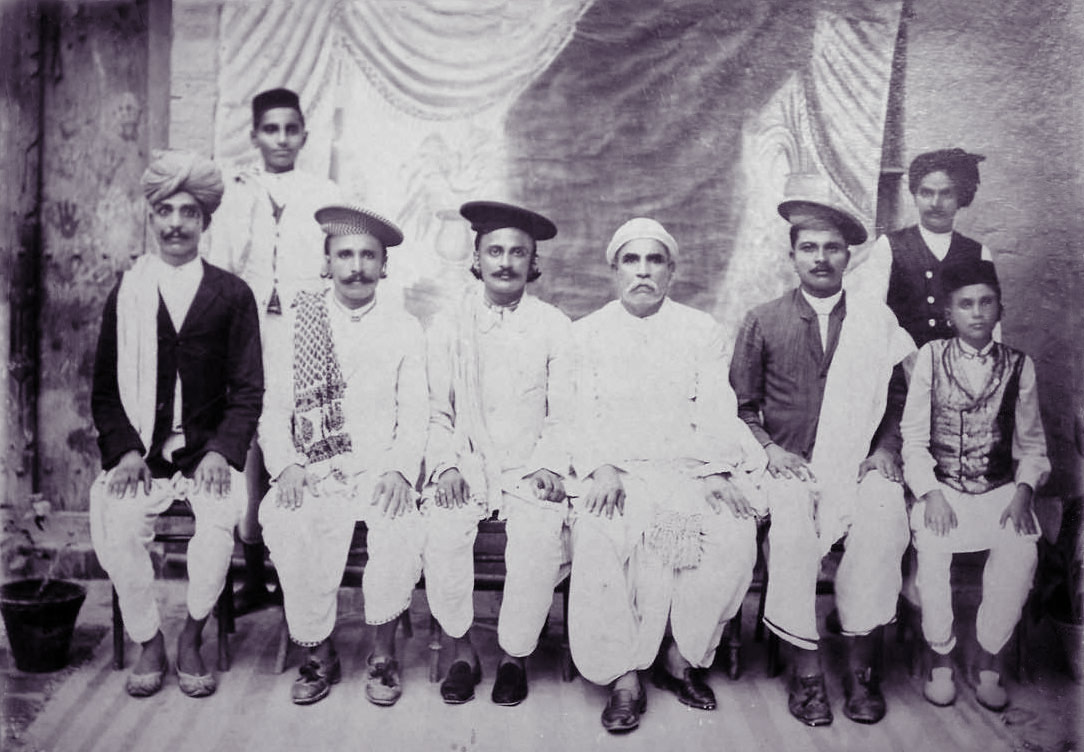
Language and identity
At the core of Sindhi identity is the Sindhi language, an Indo-Aryan tongue with a long literary tradition. Sindhi is written in variants of the Perso-Arabic script in Pakistan and in Devanagari among some communities in India. The language serves as a principal marker of cultural continuity and local expression; more information on the language is available via Sindhi.
Religion and cultural practices
Sindhis are religiously diverse. A majority follow Islam, and Islamic customs and Sufi devotional traditions have had a strong influence on social life. Other faiths present among Sindhis include Zoroastrianism, Hinduism, Sikhism and Christianity. Cultural expressions such as music, poetry, the patterned Ajrak textiles and the Sindhi topi (cap) transcend religious lines and form part of shared heritage.
Origins and historical outline
The region of Sindh has been settled since antiquity. Archaeological evidence links the area to urban developments of the Indus Valley tradition, and subsequent centuries saw waves of local and foreign influences. The early 8th-century arrival of Arab forces brought Islam into the region, but several historical accounts note that the local Sindhi language and customs persisted before and after that period. Classical scholars writing about South Asia observed the prevalence of Sindhi speech in the region in premodern times.
Social composition and notable distinctions
Sindhi society is socially diverse and includes numerous tribes, clans and occupational groups. Some scholars and accounts highlight the incorporation of various ancestries over centuries, including links with neighboring peoples; a number of sources discuss Baloch influence or ancestry among segments of the Sindhi population, though the extent and nature of such ancestry are subjects of scholarly study and regional variation (see source). Local customs, Sufi shrines, folk poetry and craft traditions remain important identity markers.
Diaspora, economy and contemporary life
The partition of British India in 1947 and subsequent economic migrations shaped a global Sindhi diaspora. Significant Sindhi communities settled in India, the Gulf states, Europe, North America and elsewhere, where many became active in trade, industry and professional life. Sindhi merchants and entrepreneurs have a longstanding reputation in commerce, and Sindhi associations and cultural organizations maintain festivals, language schools and social networks abroad.
Key cultural elements
- Language and literature: Sindhi prose and poetry, including Sufi verse, play a central role in cultural memory.
- Textiles and crafts: Ajrak printing and other handicrafts are distinctive arts associated with the region.
- Religious pluralism: coexistence of multiple faiths and the prominence of Sufi practices.
- Migration and trade: historical mobility has produced a wide diaspora and commercial networks.
For brief references and further reading on specific topics, follow links on language, region and faiths: Sindhi language, Sindh, Pakistan, Islam, Zoroastrianism, Hinduism, Sikhism, Christianity, and discussions of community origins at related sources.
Related articles
Author
AlegsaOnline.com Sindhi people: history, language, culture, and diaspora Leandro Alegsa
URL: https://en.alegsaonline.com/art/90606