
Sikhism in Pakistan: history, communities and sacred sites
An overview of the Sikh presence in Pakistan: its origins in Punjab, historic landmarks, demographic changes since 1947, contemporary communities, pilgrimage sites and legal and cultural issues.
The faith known as Sikhism has deep historical roots in the territory that is now the Islamic Republic of Pakistan, particularly in the region of the Punjab. Although Sikhs form a very small minority in Pakistan today, many of the religion's most important early sites, gurdwaras and historical memories are located on Pakistani soil, making the country a focal point for Sikh history and pilgrimage.
Image gallery
10 Images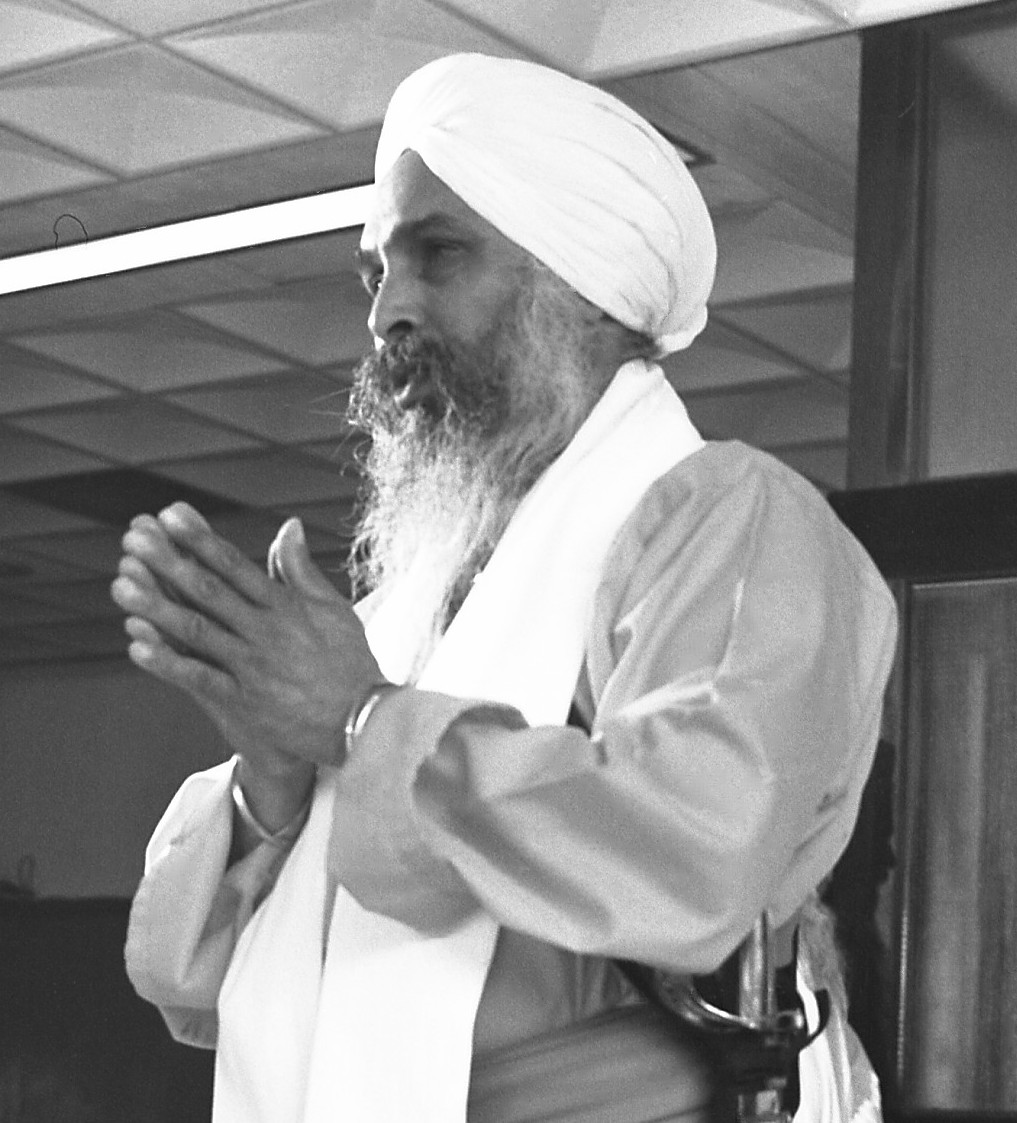


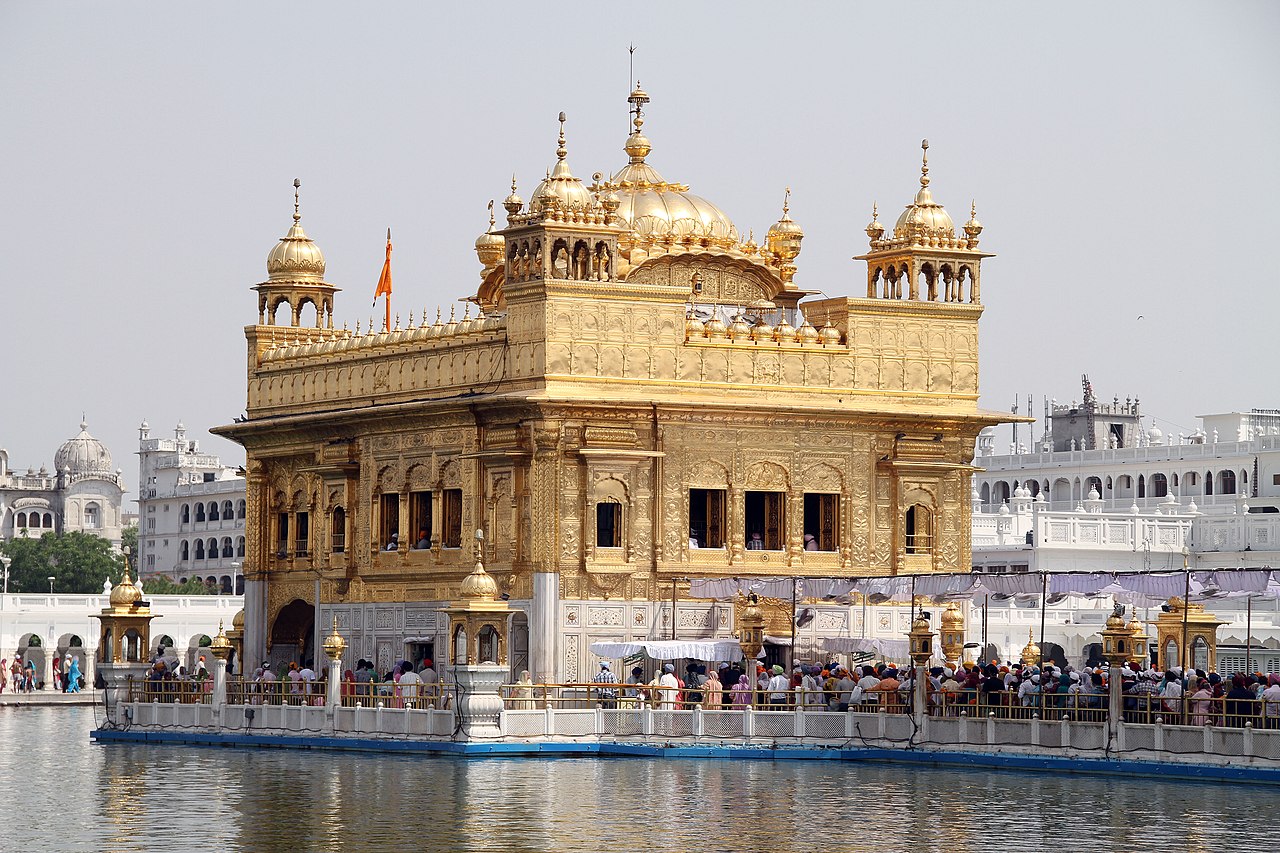


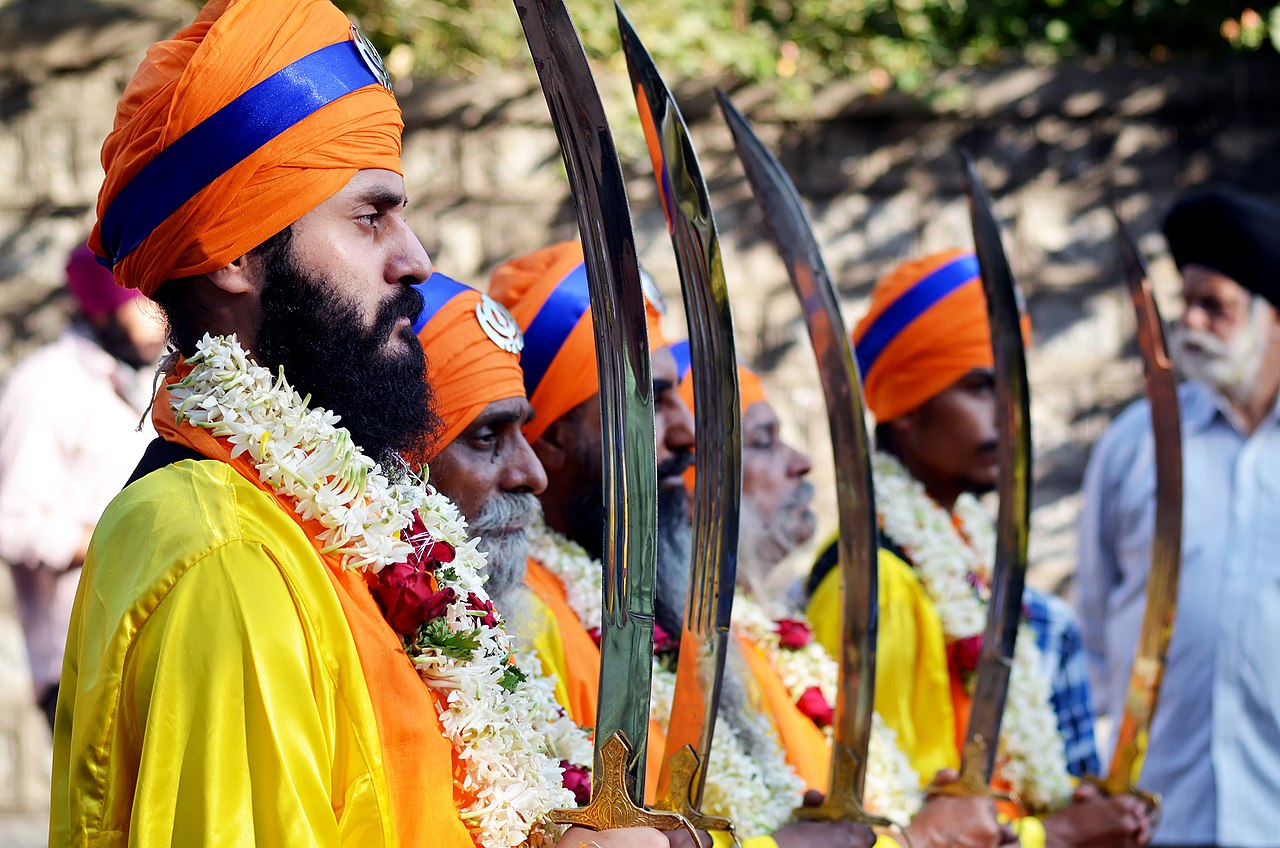
Overview
Sikhism emerged in the late 15th century in the Punjab region and developed a distinct religious and social tradition. After the partition of British India in 1947 large-scale population movements and communal violence radically altered the distribution of Sikhs: most of the community relocated to the Indian side of Punjab, while a comparatively small number remained in or returned to areas of present-day Pakistan. Contemporary estimates of the Sikh population in Pakistan vary; while precise counts are difficult, the community numbers in the low tens of thousands at most.
Historical background
The life and teachings of Guru Nanak (the founder of Sikhism) and several subsequent Gurus are closely tied to places now inside Pakistan. In the early 19th century the Sikh Confederacy consolidated power in much of northern India and the Lahore region under Maharaja Ranjit Singh, with Lahore as a cultural and political center. The upheaval of 1947, followed by decades of migration, reduced the resident Sikh population dramatically, although many historical buildings and shrines survived.
Major sites and pilgrimage
- Nankana Sahib (the traditional birthplace of Guru Nanak) is a principal pilgrimage destination for Sikhs worldwide.
- Kartarpur Sahib, where Guru Nanak spent his final years, gained renewed attention after the opening of the Kartarpur Corridor in 2019, which permits visa-free cross-border pilgrimages for many visitors.
- Other important gurdwaras include Panja Sahib in Hasan Abdal and historic shrines in Lahore, Peshawar and surrounding districts.
Community, institutions and legal status
Sikhs in Pakistan are a religious minority with both communal organizations and formal arrangements for managing heritage sites. Institutions such as the Pakistan Sikh Gurdwara Prabandhak Committee and government bodies that manage evacuee properties play roles in preserving gurdwaras and coordinating pilgrim visits. Pakistani law recognizes religious minorities and provides certain protections, but community members and observers note challenges related to property, security and access that can affect daily life and worship.
Contemporary importance and challenges
Although numerically small, the Sikh presence in Pakistan is culturally and historically significant. Annual pilgrimages, conservation efforts, and bilateral initiatives such as the Kartarpur Corridor have reinforced links between the diaspora, Indian Sikhs and Pakistani custodians of heritage. At the same time, the community faces the practical difficulties of maintaining sites, ensuring safe pilgrimage, and keeping living traditions alive in locales where Sikhs now form a tiny minority.
Notable distinctions
Pakistan possesses many of Sikhism's earliest and most venerable landmarks, while most of the faith's adherents live outside Pakistan—primarily in India and in global diaspora communities. This geographic separation means that Pakistan is simultaneously central to Sikh history and peripheral to contemporary Sikh demography, a duality that shapes religious, cultural and diplomatic interactions today.
Related articles
Author
AlegsaOnline.com Sikhism in Pakistan: history, communities and sacred sites Leandro Alegsa
URL: https://en.alegsaonline.com/art/90362