
Zoroastrianism: Origins, Beliefs, Rituals, and Modern Community
Ancient Iranian religion founded by Zoroaster: core beliefs, sacred texts, historical development, rituals such as fire worship, and the contemporary communities known as Parsis and others.
Overview
Zoroastrianism is an ancient Iranian religious tradition attributed to the prophet Zoroaster (also called Zarathustra). It emerged in the eastern regions of the Iranian cultural world and has been known by names such as Mazdaism and Parsiism. The faith centers on reverence for a supreme deity, often named Ahura Mazda, and on ethical responsibility. Scholars describe the tradition variously as monotheistic with significant dualistic or moral-dramatic elements; adherents emphasize right thought, right speech and right action as guiding principles.
Image gallery
10 Images






Core beliefs and concepts
Zoroastrian doctrine fosters a moral universe in which good and evil contend. The beneficent creative force and wisdom is called Ahura Mazda, and this divine aspect is often expressed through the concept of Spenta Mainyu (the bounteous or holy spirit). Opposition to goodness is personified by destructive forces such as Angra Mainyu, sometimes described in texts as an adversary or source of evil spirits or demons. Followers are thought to possess free will and are encouraged to choose actions that promote order and life; choosing well brings benefit and harmony, while choosing poorly brings suffering and disorder, notions sometimes summarized by the aphorism "Good Thoughts, Good Words, Good Deeds." Many adherents associate ethical life with eventual reward and communal well-being rather than purely otherworldly salvation.
Scriptures and religious literature
The primary canonical collection of Zoroastrian sacred material is the Avesta, which contains liturgies, hymns and ritual instructions. Within the Avesta are the Gathas, short hymns traditionally attributed to Zoroaster, which form the doctrinal core. Later commentaries and legal texts, sometimes compiled under the name Zend or Pahlavi literature, expanded ritual and community practice over centuries. Devotional and ritual texts guide ceremonies performed in temples and at life-cycle events.
History and development
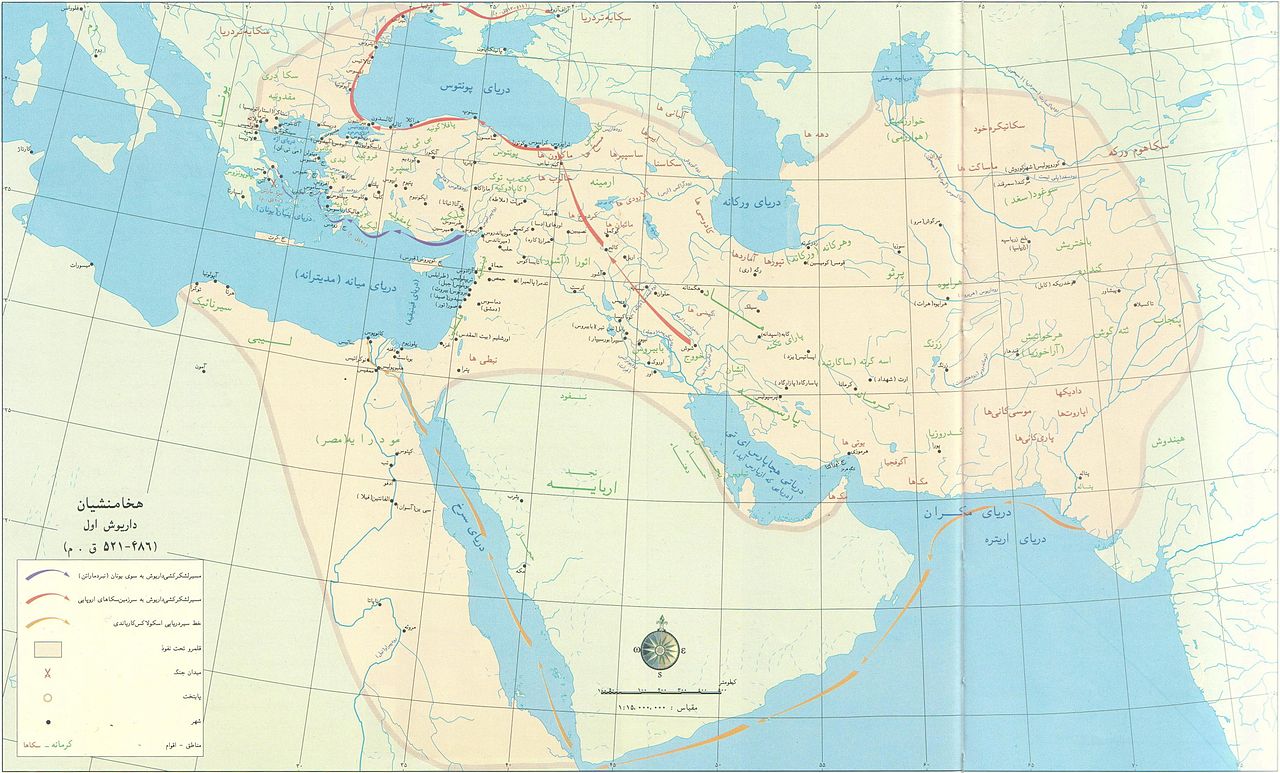
Zoroastrian ideas played a formative role in the religious life of ancient Persia and influenced neighboring cultures. Political and religious institutions of various Iranian empires adopted or adapted Zoroastrian concepts; the faith is most closely associated with the pre-Islamic Persian world and at times served as a state religion. During the early medieval period the rise of Islam and subsequent political changes led many Persian populations to convert over several centuries; a number of Zoroastrians migrated to the Indian subcontinent, where their descendants are commonly called Parsis. The community’s fortunes and demographics fluctuated across history, with significant transformations after the 7th century when the region experienced conquest by Islamic powers and changing social pressures.
Rituals, sacred spaces and customs
Fire is a central symbol in Zoroastrian worship and is maintained in sanctuaries typically called Fire Temples; fires represent purity and the presence of divine light. Ceremonies include initiation rites for children (navjote or sedreh-pushi), marriage rituals, and prayers said at daily intervals. Traditional funerary practices aimed at avoiding contamination of earth or fire sometimes used exposed‑sky structures, historically known as ‘‘towers of silence’’; practices vary by community today. Some customary practices, such as male circumcision, are not uniformly practiced and often depend on local custom rather than a single prescriptive rule.
Modern community and distribution
Contemporary Zoroastrian communities are small compared with major world religions. Population estimates differ, and care is taken when citing precise figures; communities are found principally in Iran, where the faith originated, and in South Asia—especially India and Pakistan—where migrants formed the Parsi and Irani communities. Many Zoroastrians also live in diasporas including North America and Europe. Community organizations, temples and cultural institutions work to preserve language, rituals and social structures. Notable historic sites include fire temples in cities such as Yazd, and modern congregations maintain active religious life and charitable work.
Distinctive features and contemporary issues
- Ethical emphasis: the religion places a sustained focus on moral choice and social responsibility rather than rigid dogma.
- Symbolic use of fire: fire serves as a focal image of purity and divine presence in ritual contexts.
- Adaptation and preservation: migratory histories—especially movements to the Indian subcontinent—shaped community identity (see Pakistan, Iran, and India).
- Demography and continuity: modern numbers are debated; many observers note small but active communities worldwide, including in the United States.
For further reading and resources on Zoroastrian history, texts and communities, see reference collections and academic surveys that explore the religion’s early formation, its role within Persian empires, and the contemporary practices of Parsis and Iranian Zoroastrians. Additional general resources are available through scholarly portals and community organizations (see links on history, texts and community sites: Iran/Persia, religion overview, dualism, ethics, state religion, demographic estimates, and other specialized entries).
Note: terms, dates and practices vary across traditions and scholarly interpretations; readers seeking detailed historical chronology or demographic statistics should consult up-to-date academic or community sources for precision.
Questions and answers
Q: Who founded Zoroastrianism?
A: Zoroastrianism was founded by Zoroaster, who lived in eastern ancient Iran around 1000 BC.
Q: What are the other names for Zoroastrianism?
A: Other names for Zoroastrianism are Mazdaism and Parsiism.
Q: What is the holy book of Zoroastrianism?
A: The holy book of Zoroastrianism is the Zend Avesta.
Q: Is it a monotheistic religion?
A: Yes, it is a monotheistic religion with Ahura Mazda as its god.
Q: What is the motto of this religion?
A: The motto of this religion is "Good Thoughts, Good Words, Good Deeds".
Q: When did Persia adopt Zoroastrianism as its state religion?
A: Persia adopted Zoroastrianism as its state religion starting in the 6th century BC, including during the Sassanid dynasty.
Q: How many people practice this faith today?
A: There are about 2.6 million people practicing this faith today, most of whom live in Iran, Pakistan or India where they are called Parsis.
Related articles
Author
AlegsaOnline.com Zoroastrianism: Origins, Beliefs, Rituals, and Modern Community Leandro Alegsa
URL: https://en.alegsaonline.com/art/110731
Sources
- unescoparzor.com : UNESCO Parsi Zoroastrian Project
- parsiana.com : parsiana.com/archives/archives.aspx