
Skinhead: origins, style, music, and social meanings
Skinheads are members of a youth subculture that began in late-1960s Britain, noted for a distinctive working-class style, music tastes (ska, reggae, punk, Oi!) and diverse political currents.
Overview
The term skinhead describes participants in a youth subculture originally tied to working-class neighborhoods in Britain. Early skinheads were recognizable by short, cropped hair and a practical, durable wardrobe. The movement is best understood as a cultural formation—related to but distinct from other youth trends—that combines a particular dress code, music preferences, and a rhetoric of working-class identity. Scholars and participants often emphasize that 'skinhead' covers a range of outlooks and that appearance alone does not determine political belief; some skinheads are apolitical, some explicitly anti-racist, and others affiliated with far-right politics.
Image gallery
10 Images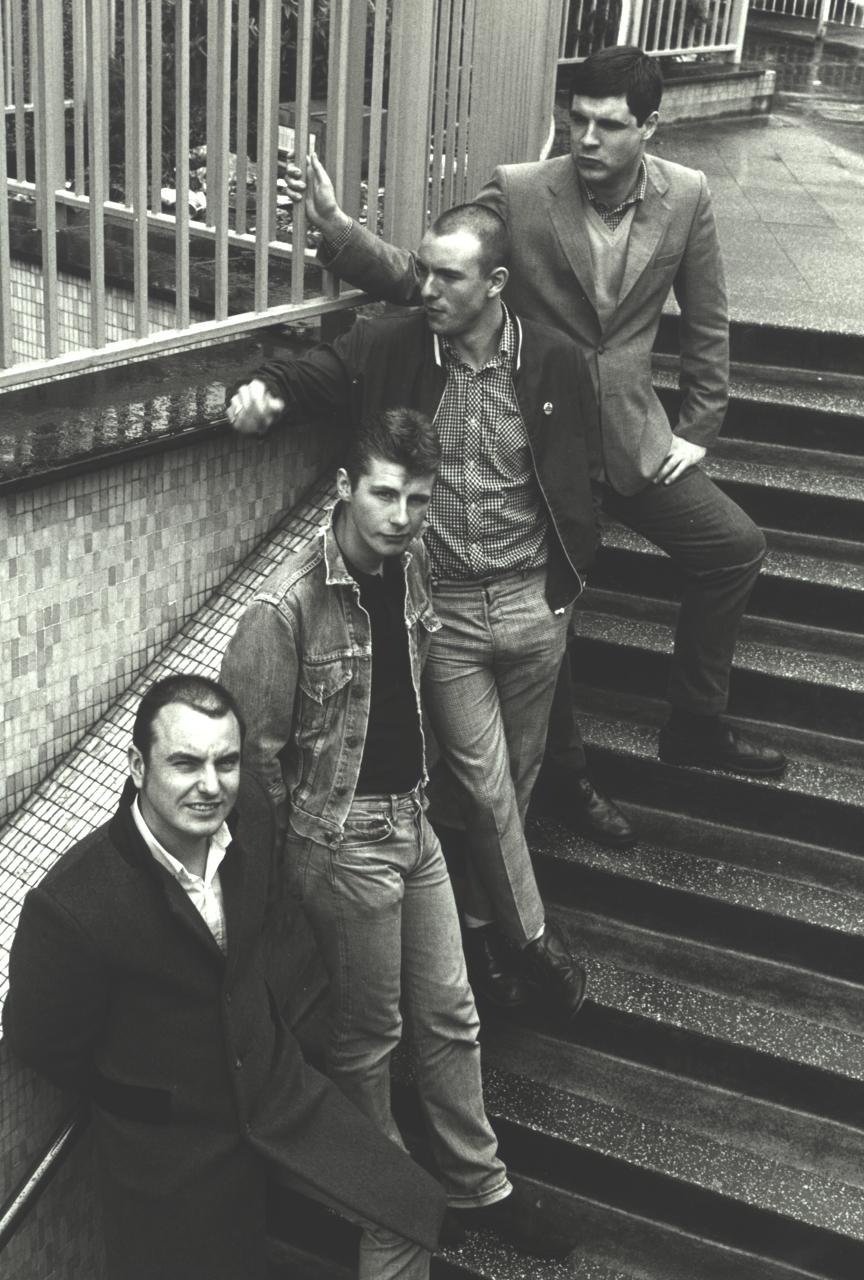






History and development
Skinhead culture emerged in late 1960s Britain as a working-class response to the mod scene and with direct influence from Jamaican immigrant communities and their "rude boy" style. This connection shaped early tastes in music and dress and created a hybrid identity rooted in urban labor culture. The phrase "The Spirit of '69" is used by many traditionalists to reference that formative period and its sounds and values. The scene evolved over subsequent decades: a revival in the late 1970s and early 1980s linked skinheads to punk and Oi! music, while in later years some factions adopted extremist politics. These changes produced internal divisions and prompted organized anti-racist and left-wing countergroups.
Style, music and typical features
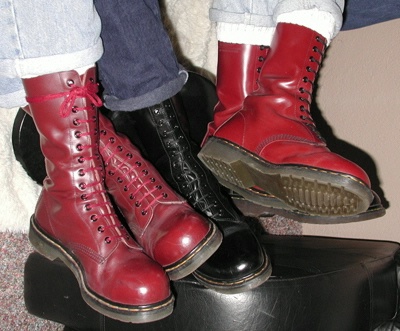
Clothing and grooming in the skinhead scene emphasize functionality and solidarity with a working-class ethos. Key elements are practical footwear and trousers, short haircuts (often closely cropped rather than completely shaved), and durable outerwear. Musical allegiance is central to identity: early skinheads favored Jamaican ska and rocksteady, then reggae; later generations embraced punk and Oi! as well. Music often serves as the principal social glue binding different generations of the subculture.
- Typical fashion elements: sturdy boots, braces (suspenders), tapered trousers or workwear, and short haircuts.
- Common musical genres: ska, rocksteady, reggae, punk, and Oi!.
- Historical touchstones: late 1960s Britain (context) and the phrase "The Spirit of '69".
Politics, misconceptions and factions
Public perception often associates skinheads with far-right or white-power movements, and there have indeed been violent factions that promote racist ideologies. However, that association is incomplete: many skinheads explicitly reject racism and organize under anti-racist banners. Notable examples include groups formed to oppose extremist appropriation of the style and to reclaim the movement's multicultural musical roots. The existence of both extremist and anti-racist currents means the term 'skinhead' denotes a contested and politically varied scene rather than a single, uniform ideology.
Importance and legacy
The skinhead subculture has had a lasting influence on fashion, music, and ideas about class identity. Its early cross-cultural exchanges helped popularize Jamaican music in Britain and contributed to later hybrid music forms. Debates over the movement’s meaning—between tradition, political appropriation, and counter-movements—illustrate how youth cultures can be repurposed and reinterpreted over time. For further context about subcultural studies, the general idea of a youth subculture is useful to explore, while discussions of extremist groups explain the tensions that led some observers to link skinheads to Neo‑Nazi activity.
For readers seeking more detail, accounts of the movement’s origins in late-1960s Britain and its musical backbone remain central: see sources on the period’s urban working-class scenes and the Jamaican influence that shaped the earliest skinheads. Contemporary writing on the subject highlights both the variety within the scene and the efforts of anti-racist and left-wing skinheads to preserve or reclaim its original cultural meanings.
Related reading: historical overviews of the late 1960s subcultures (1960s Britain), collections on ska and reggae histories (ska, reggae), and studies of Oi! and punk scenes (Oi!), as well as discussions about the phrase "The Spirit of '69" and modern responses to extremist misappropriation.
Related articles
Author
AlegsaOnline.com Skinhead: origins, style, music, and social meanings Leandro Alegsa
URL: https://en.alegsaonline.com/art/90933