
Sindhi language
Sindhi is an Indo-Aryan language of the Sindh region, spoken mainly in Pakistan and India; it has several writing systems, a long literary tradition, and distinctive phonetic features.
Sindhi is an Indo-Aryan language spoken primarily in the historical region of Sindh in South Asia. It functions as a regional tongue and cultural marker for millions, especially within the province of Pakistan. Sindhi belongs to the broader family of Indo-Aryan languages and supports both a lively oral tradition and a long written record. Communities speaking Sindhi also live across the border in the Republic of India and in global diasporas.
Image gallery
6 Images


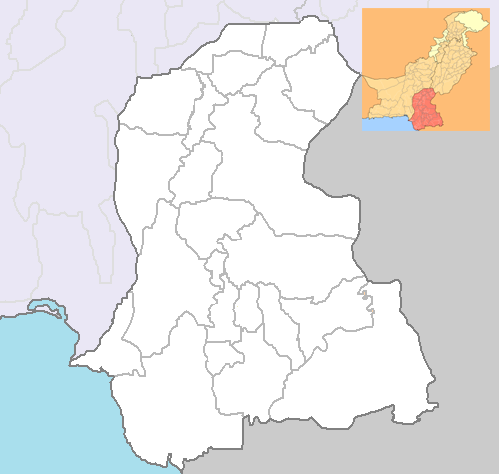
Numbers and official status
Speaker estimates place Sindhi users in the tens of millions, with a very large concentration in Pakistan and notable populations in India and abroad. The language is an official regional medium in the Sindh province, used in education, local government and broadcast media. It is also historically associated with figures such as Muhammad Ali Jinnah, often cited as having Sindhi as his mother tongue.
Writing systems
Sindhi is written in different scripts depending on geography and community. The main systems include:
- Perso-Arabic script with additional letters for Sindhi sounds (dominant in Pakistan).
- Devanagari script (used by many Sindhis in India and in some printed literature).
- Historical or community scripts such as Khudabadi and local adaptations that appear in older manuscripts and inscriptions.
Linguistic features and dialects
The language preserves several archaic Indo-Aryan elements while also showing heavy lexical influence from Persian and Arabic due to long periods of cultural contact. Phonologically, Sindhi is noted for a large consonant inventory that includes aspirated, retroflex and some implosive sounds. There are multiple regional dialects—coastal, inland and urban varieties—with standard forms used in schooling and broadcasting.
Literature, media and use
Sindhi literature spans poetry, Sufi devotional writings, folklore and modern prose. A continuous print and broadcast tradition supports newspapers, radio and television in Sindhi within Pakistan and among diaspora communities. The language remains an important marker of ethnic and cultural identity and is maintained through schools, cultural societies and religious institutions.
Distinctive notes
Because it uses more than one script and because of its rich contact history, Sindhi offers an interesting case for studies in script choice, language contact and preservation. Resources for learners and researchers include linguistic surveys, regional archives and community publications.
Related articles
Author
AlegsaOnline.com Sindhi language Leandro Alegsa
URL: https://en.alegsaonline.com/art/90605