
Sinti: a Romani people of Central and Western Europe
The Sinti are a Romani-related people of Central and Western Europe with distinct dialects, traditions and history, including wartime persecution and notable cultural contributions.
Overview
The Sinti are a traditionally itinerant people historically associated with the broader populations commonly called Gypsies in English. They are closely related to other Romani groups and are often grouped under the wider heading of Roma, but Sinti communities maintain distinctive dialects, customs and social structures. In different European languages they appear under a variety of names, some of which are now regarded as pejorative: German Zigeuner, Dutch Zigeuner, and Italian Zingari reflect historical usage rather than preferred contemporary self-designations.
Image gallery
7 Images





Language and identity
Many Sinti speak varieties of the Romani language that are locally known as Sinti or Sinti-Manouche dialects; older sources sometimes refer to forms such as "Sintitikes." These dialects incorporate elements from the dominant regional languages in which Sinti communities have lived for centuries. Identity among the Sinti combines kinship, endogamous marriage practices, traditional occupations and oral histories that link communities across national borders.
Origins and historical migration
Scholars trace the deep origins of Romani groups to the Indian subcontinent; within Sinti oral tradition there are specific migration memories that identify regions such as Sindh as ancestral homelands and recall departures in the early medieval era. Sinti presence in central Europe became clearly documented in the Middle Ages, with groups moving into territories that now belong to modern Germany and Austria. Over time the Sinti split into branching groups, historically named Eftavagarja ("the Seven Caravans") and Estraxarja (sometimes associated with an Austria-linked route). These branches spread into neighbouring regions: some communities established themselves in France, others in Spain and Portugal, while further movements reached Italy and Slovenia, where local names and adaptations developed.
Culture, occupations and contributions
Historically, many Sinti supported themselves through seasonal trades, metalworking, animal trading, entertainment and musicianship. Sinti musicians have made significant contributions to European musical life; the Manouche jazz tradition is one well-known cultural expression. Family ties, respect for elders and customary law have played central roles in social organization, alongside a strong emphasis on group loyalty and reputation.
Persecution, memory and modern life
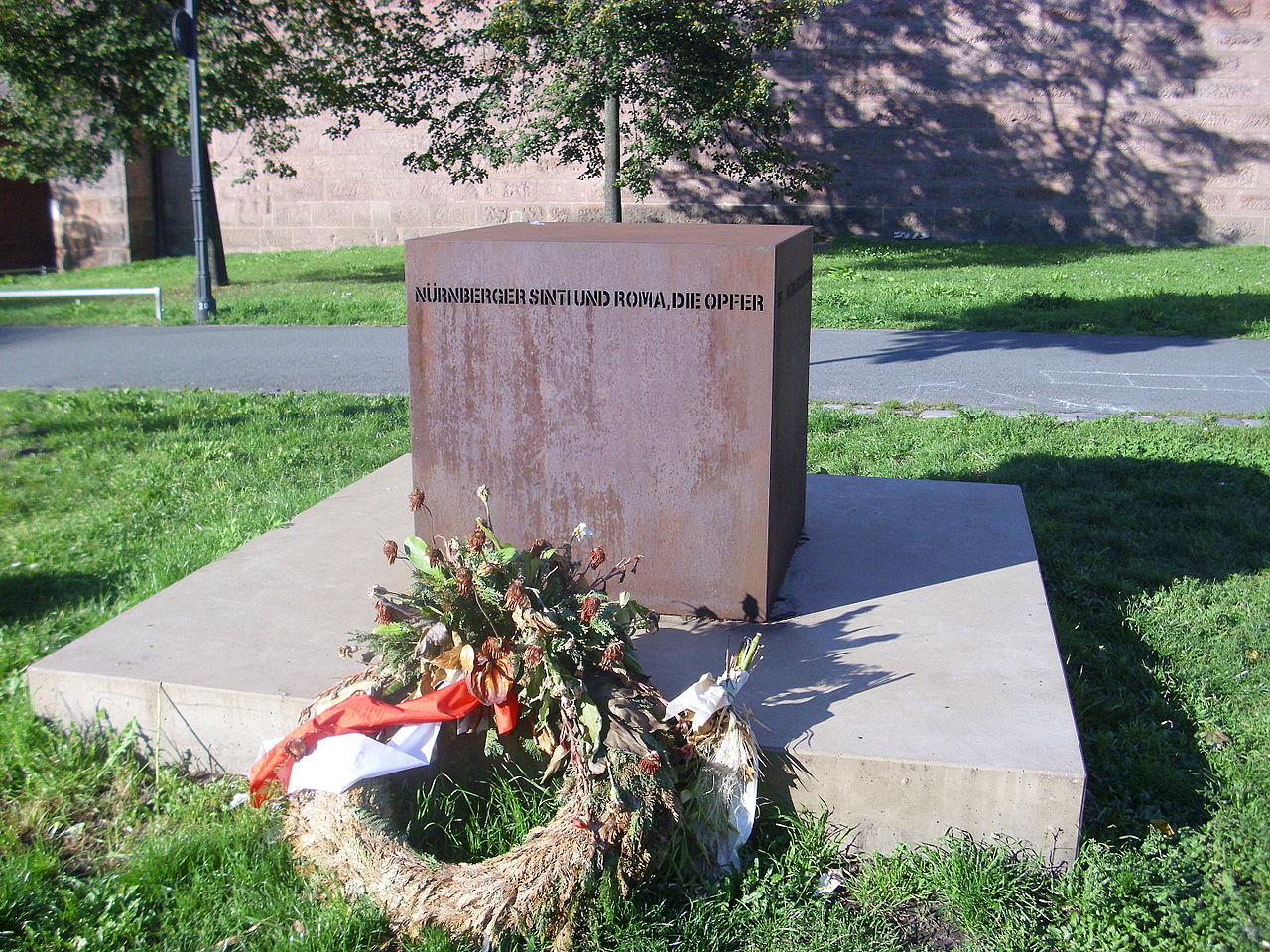
Sinti communities have long faced discrimination, exclusion and legal restrictions in many European states. During the Nazi era thousands of Sinti and other Romani people were persecuted and murdered in what is often called the Porajmos or Romani genocide; this traumatic chapter strongly shapes contemporary memory and rights work. After World War II, many Sinti settled permanently in towns and cities, while others continued itinerant lifestyles. Today Sinti individuals and organizations engage in cultural revival, legal advocacy and efforts to counter prejudice and improve access to education, housing and employment.
Distinctions and notable facts
- Sinti are one branch within the diverse constellation of Romani peoples; local names and dialects vary by country.
- Some older labels for Sinti are considered offensive; contemporary usage favors self-identification and respectful terminology.
- Public recognition of wartime persecution and contemporary anti-discrimination measures remain active policy and cultural concerns.
- Notable figures from Sinti background have influenced music and the arts, helping raise awareness of Sinti heritage.
For further reading on terminology, migration and cultural history consult specialist accounts and community sources; historical and linguistic studies provide the most reliable syntheses of the Sinti past and present.
Related articles
Author
AlegsaOnline.com Sinti: a Romani people of Central and Western Europe Leandro Alegsa
URL: https://en.alegsaonline.com/art/90709
Sources
- guardian.co.uk : We had the same pain
- ftp.osi.hu : Open Society Intitute: The Situation of Roma in Germany (2002)