
Tokugawa shogunate (Edo bakufu): Japan’s centralized feudal government
The Tokugawa shogunate (Edo bakufu) was Japan’s hereditary military government (c. 1603–1868) that centralized rule, regulated society and trade, and shaped politics, economy and culture until the Meiji Restoration.
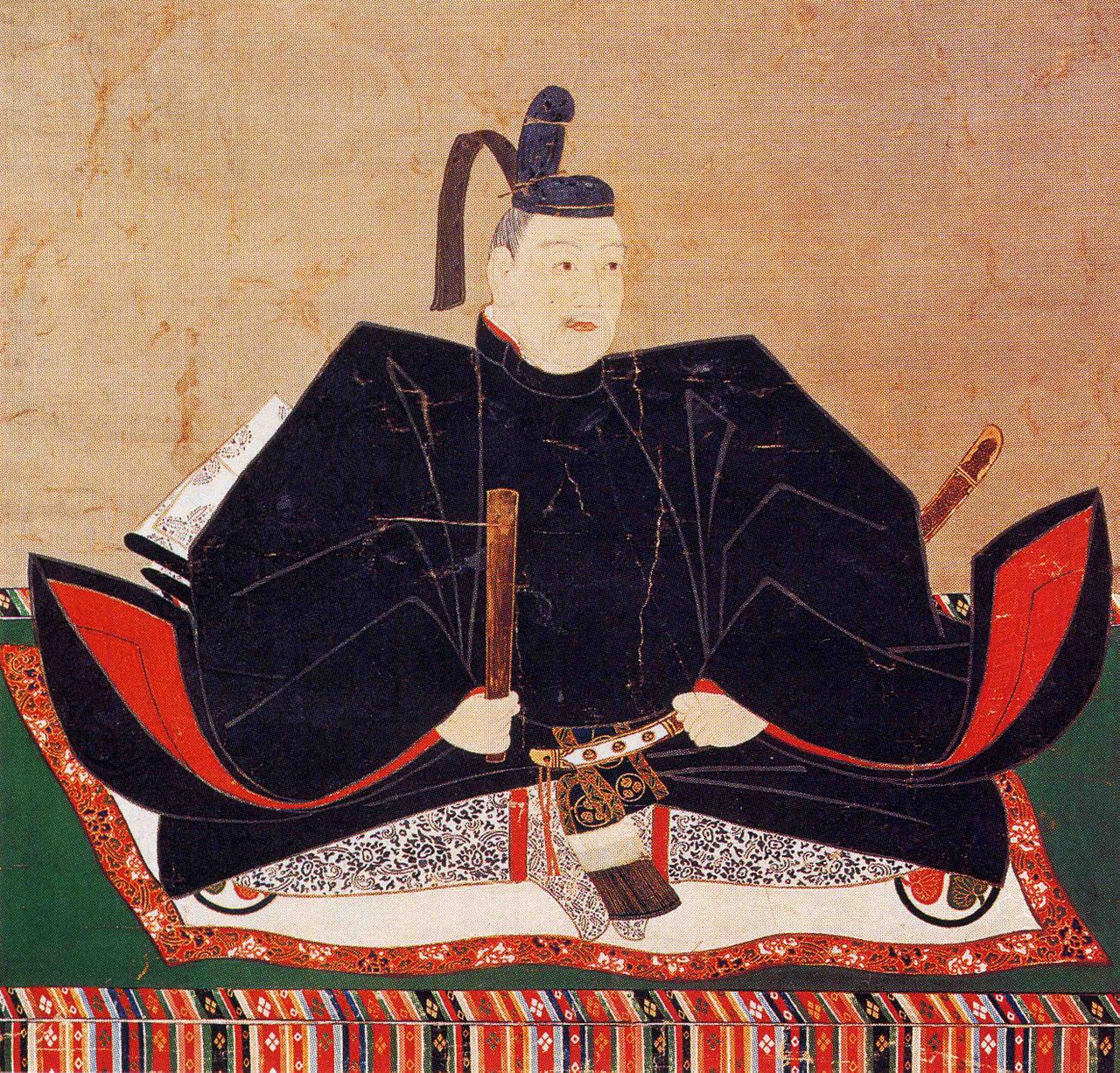
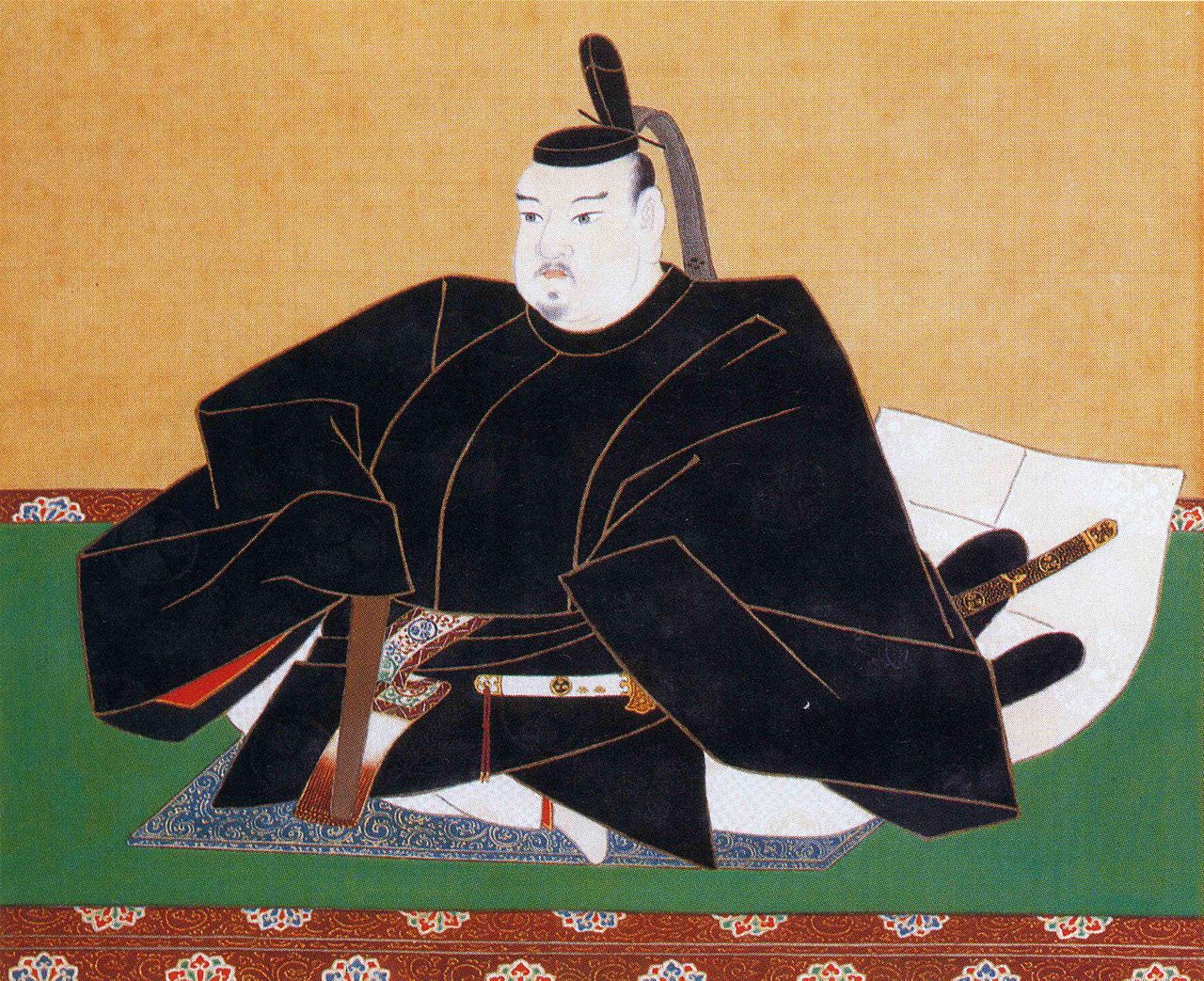
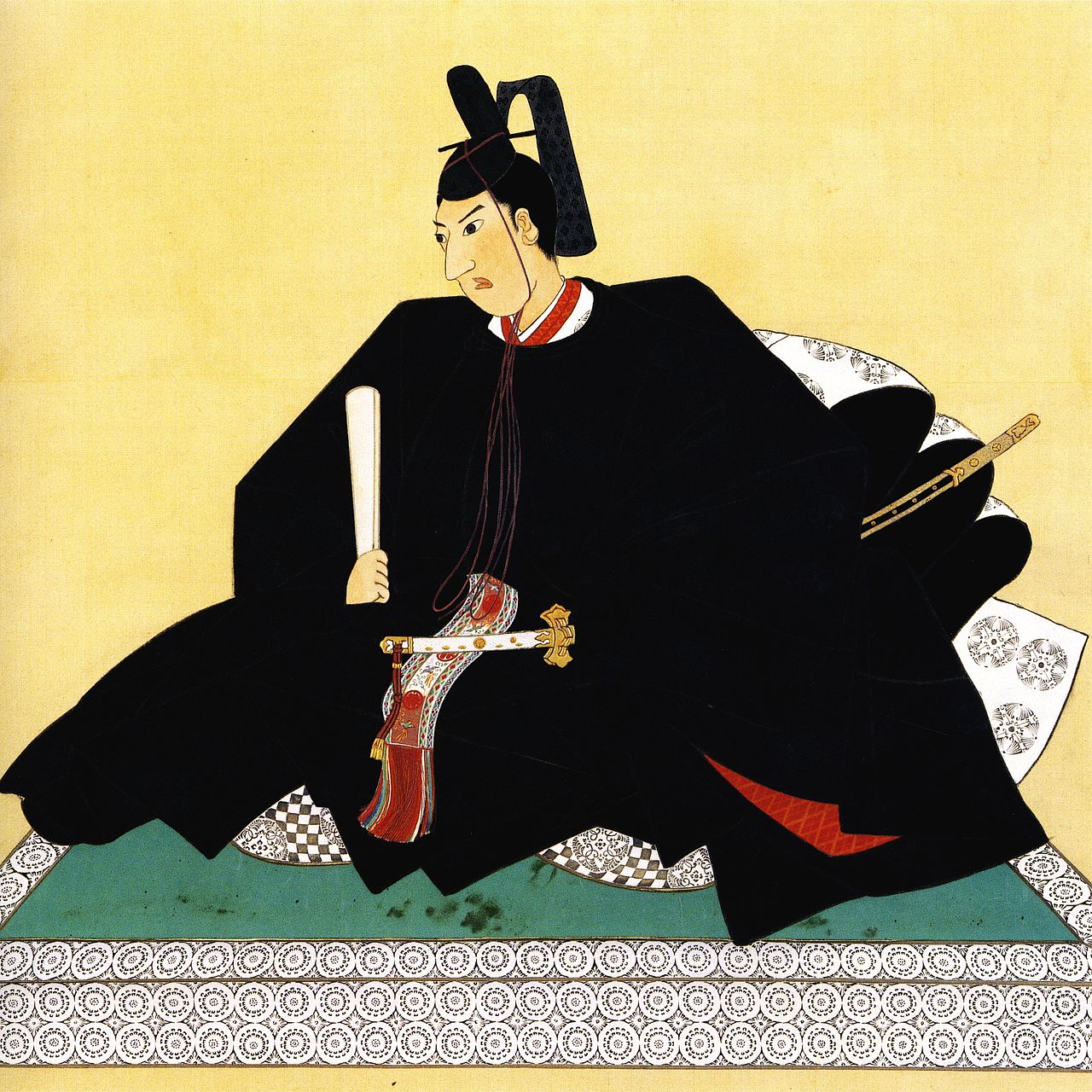
The Tokugawa shogunate, often called the Edo bakufu, was a hereditary military government that ruled much of Japan from the early 17th century until the mid-19th century. Established after years of civil conflict, this political system organized power around a single family and its administration while formally leaving the emperor as a symbolic sovereign. At its core the bakufu functioned as a feudal Japanese military government that combined centralized oversight with regional daimyo lordships.
Image gallery
10 Images




Structure and institutions
Government under Tokugawa control balanced the shogun’s authority with institutional offices that managed policy, finance and military matters. Senior advisers and councils—commonly known by traditional titles—oversaw domains, regulated samurai stipends, and arbitrated disputes among daimyo. The ruling clan appointed officials to administer law, collect taxes and police roads, creating a bureaucratic framework that sustained long-term stability.
Social order and policies
The Tokugawa regime enforced a strict social hierarchy that distinguished samurai, peasants, artisans and merchants. Movement between classes was limited, and social roles were legally reinforced to maintain order. Several distinctive policies shaped daily life and politics: the alternate attendance system (sankin-kotai) required regional lords to spend time at the shogun’s capital; a policy of national seclusion (sakoku) restricted foreign contacts and trade; and urban regulations channeled economic growth into key cities.
Economy, cities and culture
Under Tokugawa rule Japan experienced economic expansion, improved agricultural productivity and growth of marketplaces and port cities. Edo (modern Tokyo), Osaka and Kyoto grew into major urban centers, fostering a vibrant urban culture. This era saw the rise of popular arts and literature—kabuki theatre, woodblock prints and new literary forms—alongside increased commercial activity and the emergence of a wealthy merchant class.
Decline and legacy
By the 19th century internal strains, fiscal pressures and foreign demands for trade exposed weaknesses in the Tokugawa order. Encounters with Western powers forced Japan to reconsider isolation, and conflicts between reformers and defenders of the status quo culminated in the overthrow of the shogunate during the Meiji Restoration. The transition abolished feudal domains, centralized the state under imperial rule, and launched rapid modernization.
Today the Tokugawa period—also called the Edo period—is studied for its long peace, institutional innovation and cultural achievements. The heads of the government, the shoguns, and the administrative systems they built left a lasting imprint on Japan’s modern political and social development.
Related articles
Author
AlegsaOnline.com Tokugawa shogunate (Edo bakufu): Japan’s centralized feudal government Leandro Alegsa
URL: https://en.alegsaonline.com/art/100296
Sources
- books.google.com : Japan Encyclopedia
- books.google.com : Japan Encyclopedia
- books.google.com : Japan Encyclopedia
- books.google.com : Japan Encyclopedia
- books.google.com : Japan Encyclopedia
- books.google.com : Japan Encyclopedia
- books.google.com : Japan Encyclopedia