
Ashikaga (Muromachi) Shogunate: Japan's feudal regime, 1336–1573
The Ashikaga or Muromachi shogunate (1336–1573) was a Japanese military government led by the Ashikaga clan, based in Kyoto's Muromachi district; noted for cultural flowering and eventual fragmentation into the Sengoku era.
The Ashikaga shogunate (1336–1573), often called the Muromachi shogunate, was the second of Japan's military governments (bakufu) in the medieval era. It was headed by military dictators known as shoguns, all drawn from the Ashikaga clan. The regime is commonly associated with the Muromachi period, a span marked by both artistic innovation and political decentralization.
Image gallery
5 Images


Organization and political character
Formally the shogunate operated alongside the imperial court in Kyoto: the emperor remained a symbolic sovereign while the bakufu exercised actual military and administrative authority. Local rule depended heavily on provincial lords (daimyō) and deputy governors (shugo), whose cooperation was essential to sustain Ashikaga control. Over time, the central authority of the shogun weakened and regional powers gained autonomy, a process that contributed to persistent warfare in later decades.
History and decline
The Ashikaga regime was established after the fall of the Kamakura shogunate and the brief imperial restoration that followed. The early Ashikaga shoguns consolidated power and reestablished Kyoto as the political center. However, factional rivalries, disputes over succession, and large-scale conflicts such as the Ōnin War (1467–1477) eroded centralized control. The long period of fragmentation that followed is often called the Sengoku, or "Warring States," era; the Ashikaga line finally lost effective power in 1573.
Cultural and economic influence
Despite political instability, the Muromachi era is renowned for cultural achievements. The Ashikaga court and affiliated temples patronized Zen Buddhist aesthetics, through which forms such as Noh theater, ink painting (sumi-e), the tea ceremony, and landscape gardening were refined. Trade with East Asia, including contacts with Ming China, and the growth of castle towns fostered urban and commercial development.
Notable features and legacy
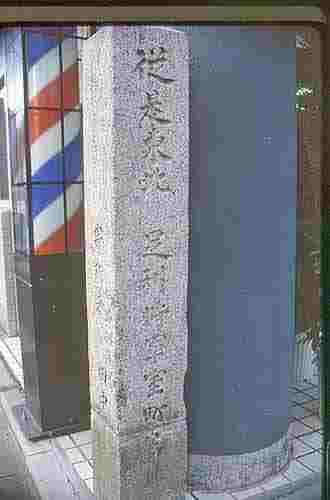
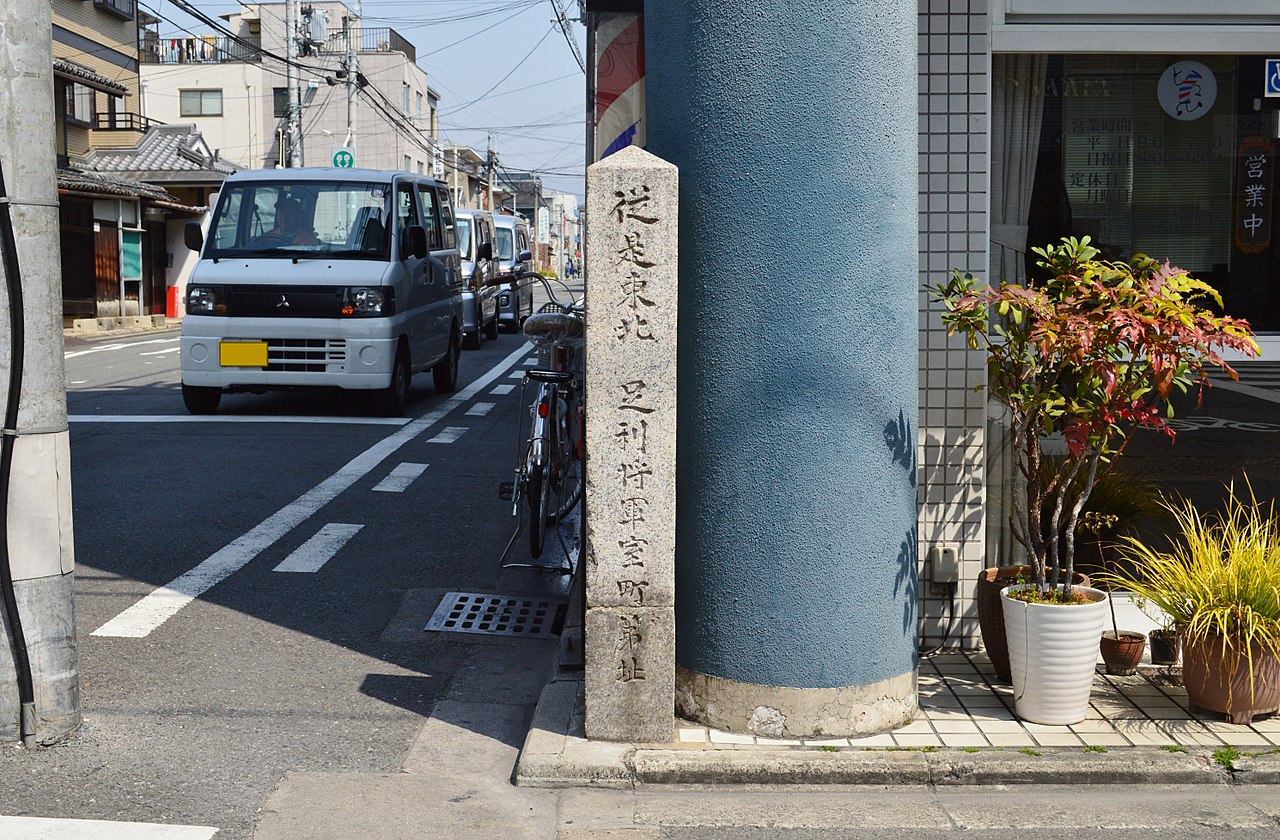
- Seat of power: the shoguns' residence in Kyoto's Muromachi district gave the period its common name; see the city's historical role via Kyoto.
- Government type: a feudal, military-led government that relied on alliances with regional warriors and landholders.
- Legacy: the Ashikaga era bridged classical and early modern Japan, shaping arts and political patterns that influenced later unification under the Tokugawa.
While the Ashikaga shogunate never achieved the centralized strength of the earlier Kamakura or later Tokugawa regimes, its cultural patronage and the political changes it set in motion were pivotal in Japan's transition from medieval to early modern structures.
Related articles
Author
AlegsaOnline.com Ashikaga (Muromachi) Shogunate: Japan's feudal regime, 1336–1573 Leandro Alegsa
URL: https://en.alegsaonline.com/art/6557
Sources
- books.google.com : Japan Encyclopedia
- books.google.com : Japan Encyclopedia
- books.google.com : Japan Encyclopedia
- books.google.com : Japan Encyclopedia
- books.google.com : Japan Encyclopedia
- books.google.com : Japan Encyclopedia