
Samurai: Japan's Warrior Class and Cultural Legacy
Samurai were Japan’s hereditary warrior-nobility who served lords, followed martial codes, and shaped politics and culture until their formal decline after the Meiji Restoration (1868).
Overview
The samurai, also called bushi, were members of Japan’s warrior class whose social and military role dominated much of Japanese history before the social reforms of 1868. They combined military duties with administrative responsibilities and were widely regarded as a hereditary elite. The name samurai comes from a verb meaning to serve, reflecting their role as retainers to powerful lords and rulers. For the broader context of their military institution see military class.
Image gallery
10 Images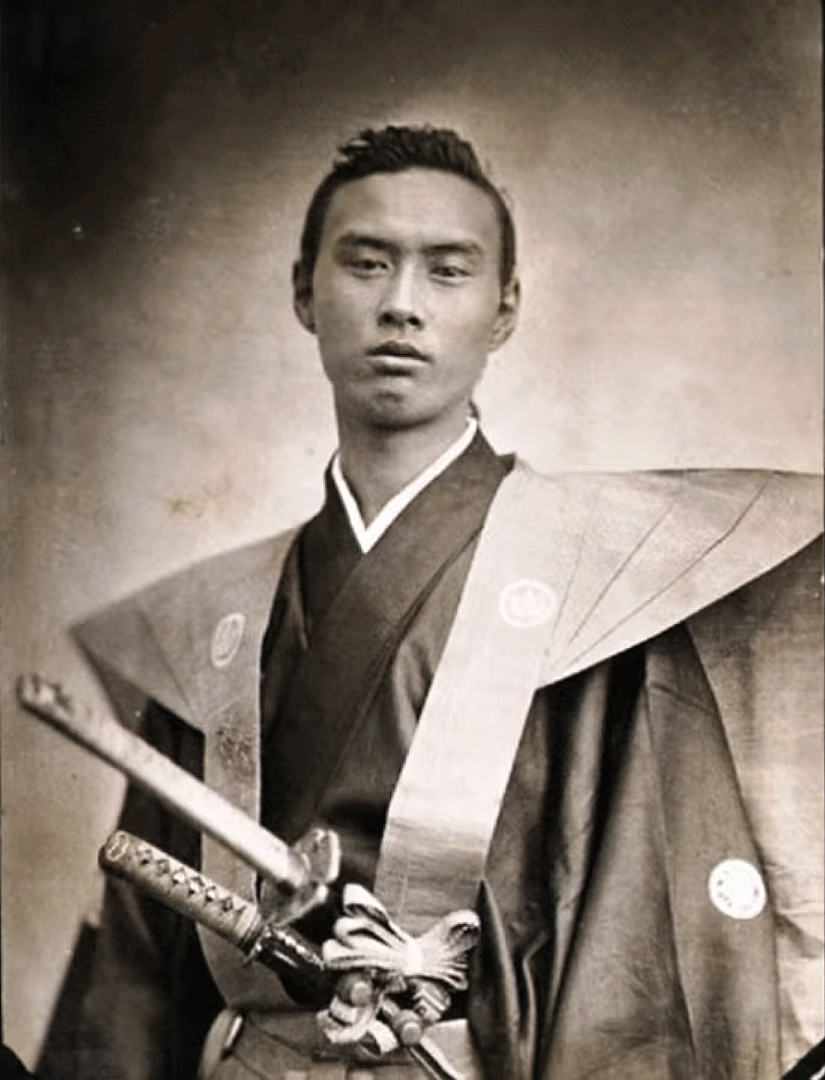



Characteristics and Arms
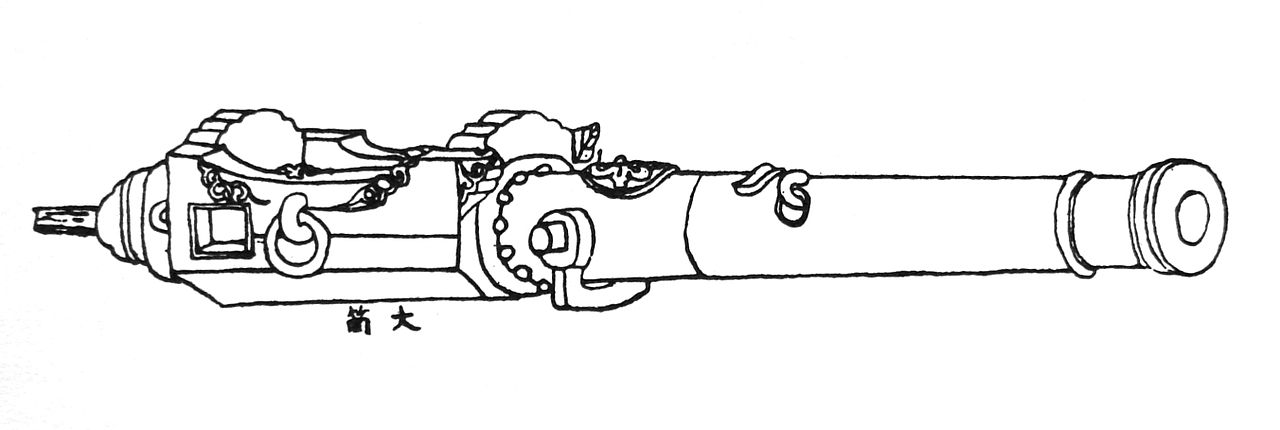
Samurai training emphasized weapons, horsemanship, strategy, and later, literary and bureaucratic skills. A distinctive element of samurai identity was the right to wear two swords as a social symbol and a practical toolkit. Typical arms and equipment included:
- Katana and wakizashi — the paired long and short swords favored in close combat and ritual.
- Yumi — the asymmetrical longbow used on foot and from horseback.
- Yari and polearms — for battlefield formations and samurai infantry tactics.
- Armor (yoroi) — lamellar and plate constructions adapted over centuries.
For concise information on weapons and equipment see samurai arms.
Historical Development
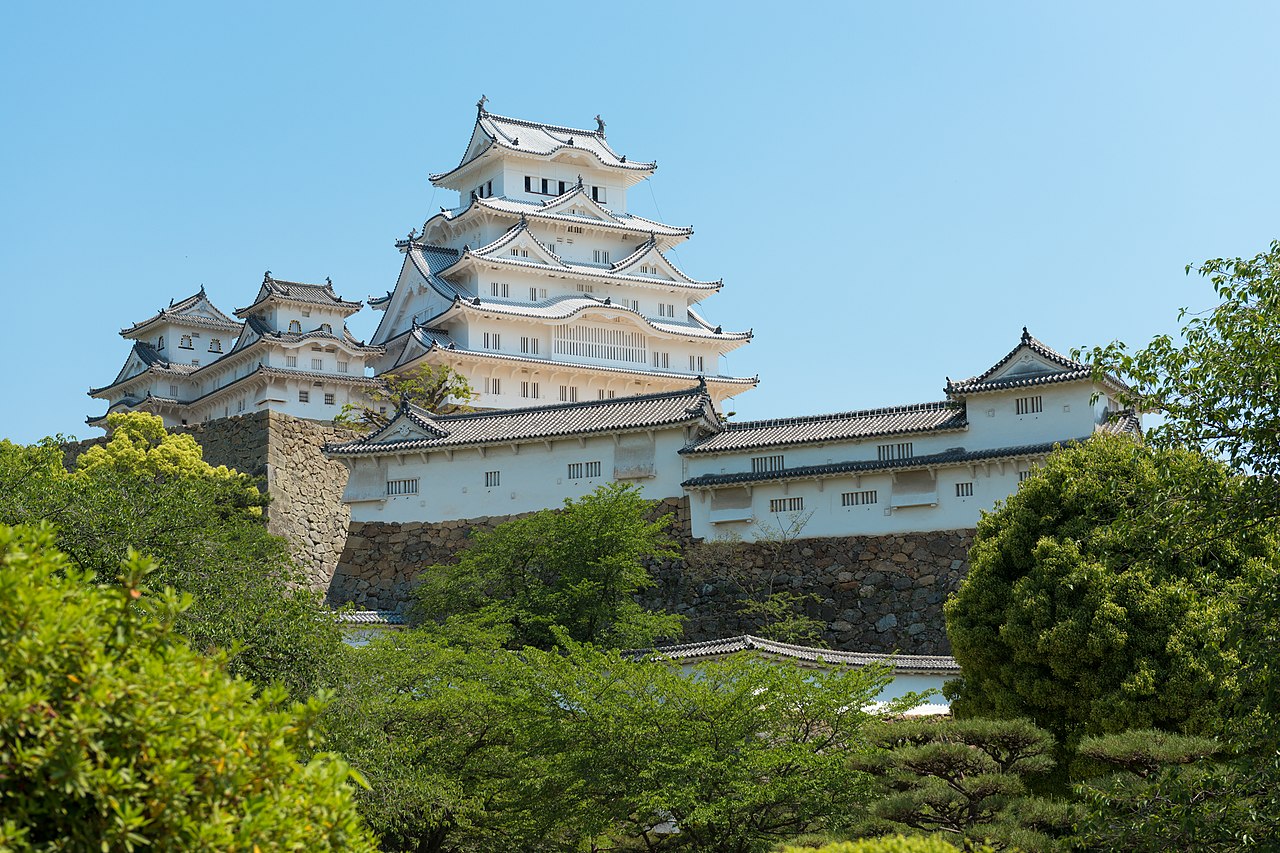
The samurai emerged from provincial warrior bands in the Heian period and rose to political power with the establishment of military governments (shogunates) such as those centered at Kamakura and later at Kyoto and Edo. Over centuries they evolved from front-line cavalry and archers into an institutionalized ruling class—regional lords (daimyō) and their retainers—who administered domains, collected taxes, and enforced law.
Social Role, Codes, and Distinctions
Besides fighting, samurai often served as bureaucrats, judges, and teachers. Their conduct was guided by ideals later grouped under Bushidō, a flexible code stressing loyalty, courage, and discipline; this code was interpreted and romanticized in different eras. Within samurai society existed clear ranks and terms such as daimyo (feudal lords) and ronin (masterless samurai). The class was legally privileged in many periods and is sometimes described as hereditary nobility—see hereditary status.
Decline and Continuing Legacy
The social and military reforms of the Meiji Restoration (beginning in 1868) dismantled feudal structures, abolished hereditary privileges, and reorganized the military on a conscript basis, ending the samurai as a legal class. Yet samurai values, martial arts schools, swordcraft, literature, and aesthetics left a lasting imprint on modern Japan and global culture. Their image endures in cinema, novels, and the practice of traditional arts; for modern interpretations and sources see cultural legacy.
Notable Facts and Misconceptions
Popular portrayals often emphasize ritual suicide, lone sword duels, or an unwavering code; historical reality was more varied. Samurai adapted to changing warfare, politics, and peace-time administration. Crafts such as swordmaking, armor construction, and calligraphy grew alongside military skill, producing a complex social type that was both warrior and administrator.
Questions and answers
Q: Who were the samurai?
A: The samurai were Japanese warriors who belonged to the military class before significant changes occurred in Japanese society in 1868.
Q: What was the status of samurai in Japanese society?
A: The samurai were considered a type of hereditary nobility.
Q: What is the origin of the word samurai?
A: The word samurai comes from the Japanese verb saburau, which means "to serve and look up to someone."
Q: When did the status of samurai change in Japanese society?
A: The status of samurai changed in Japanese society after significant changes took place in 1868.
Q: Were all samurai warriors considered nobility?
A: Yes, samurai warriors were considered a form of hereditary nobility.
Q: What was the role of the samurai in Japan's military class?
A: The samurai were important members of Japan's military class and were warriors.
Q: Why was obedience and loyalty important to the samurai?
A: Obedience and loyalty were important values to the samurai since they come from a Japanese verb that means "to serve and look up to someone."
Related articles
Author
AlegsaOnline.com Samurai: Japan's Warrior Class and Cultural Legacy Leandro Alegsa
URL: https://en.alegsaonline.com/art/86759
Sources
- afe.easia.columbia.edu : "The Age Of The Samurai"