
Sino-Indian War (1962): brief conflict over Himalayan border claims
A short, sharp war in October–November 1962 between India and China over disputed Himalayan frontiers, its causes, conduct, and lasting impact on both countries' security and diplomacy.
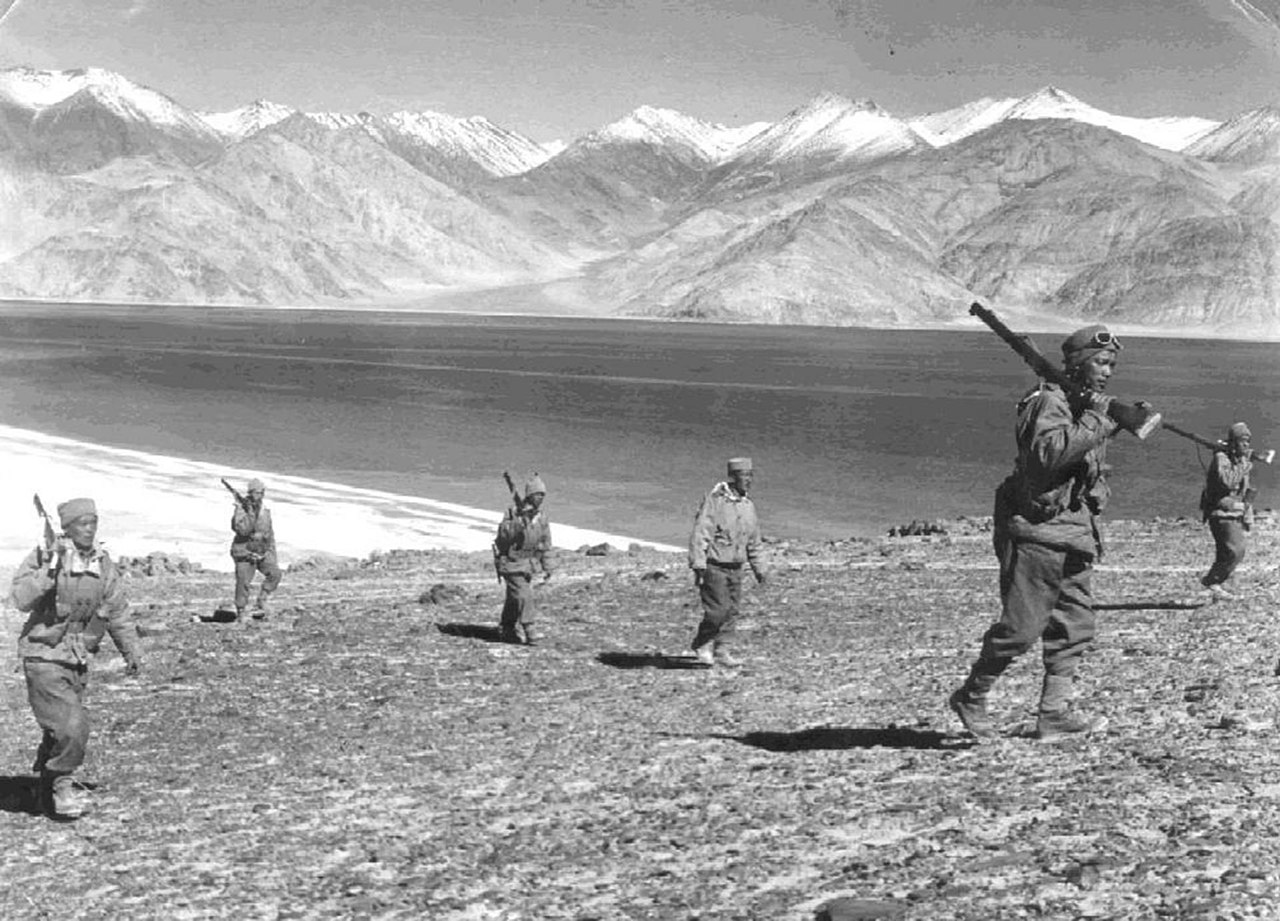
The Sino-Indian War was a short but consequential armed clash in October–November 1962 between India and China over competing frontier claims in the Himalayas. Fighting took place at high altitude across rugged mountain terrain. The conflict lasted only weeks, yet it produced significant political and military effects in both countries and altered their regional relationships.
Image gallery
10 Images






Causes and background
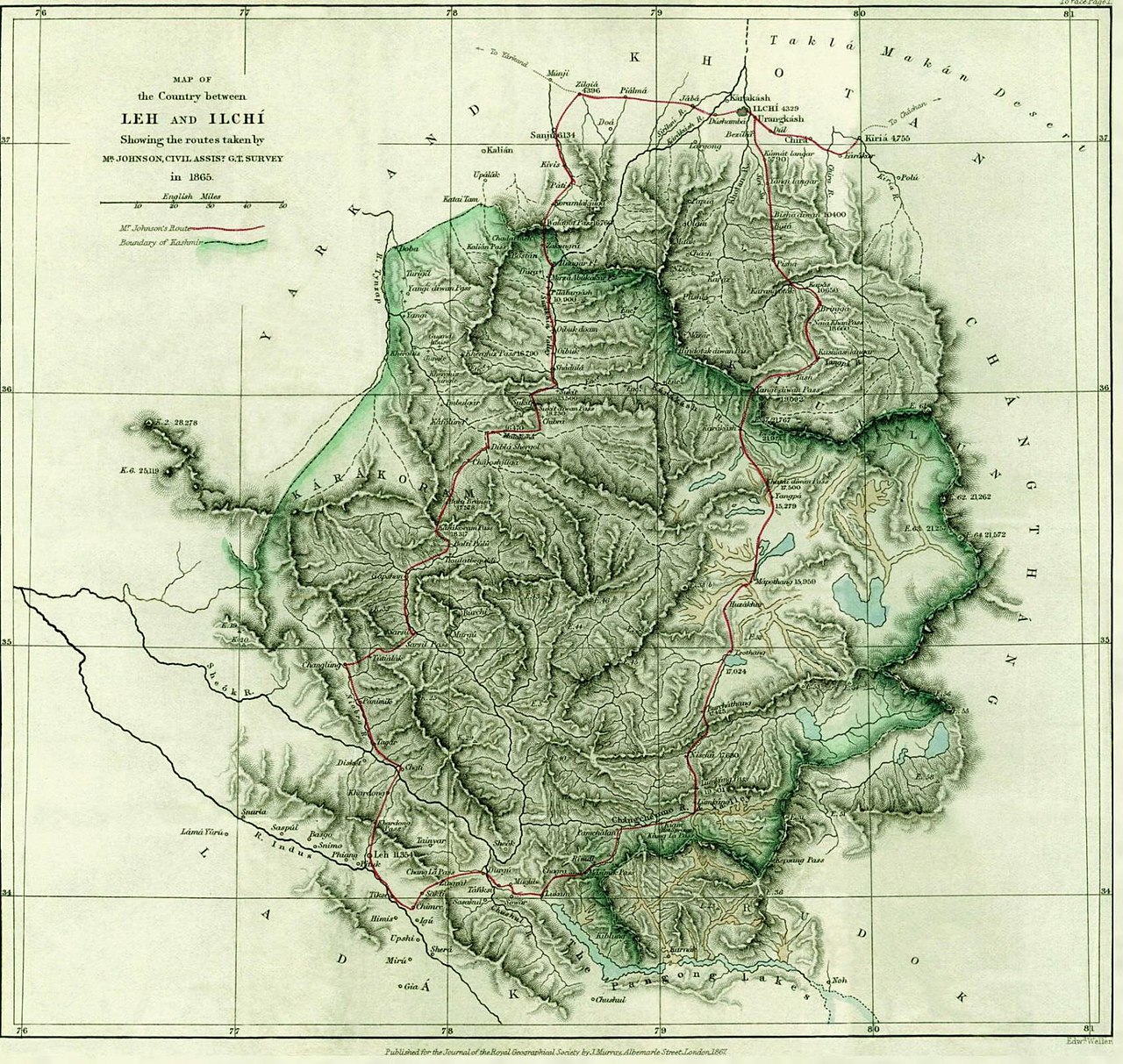
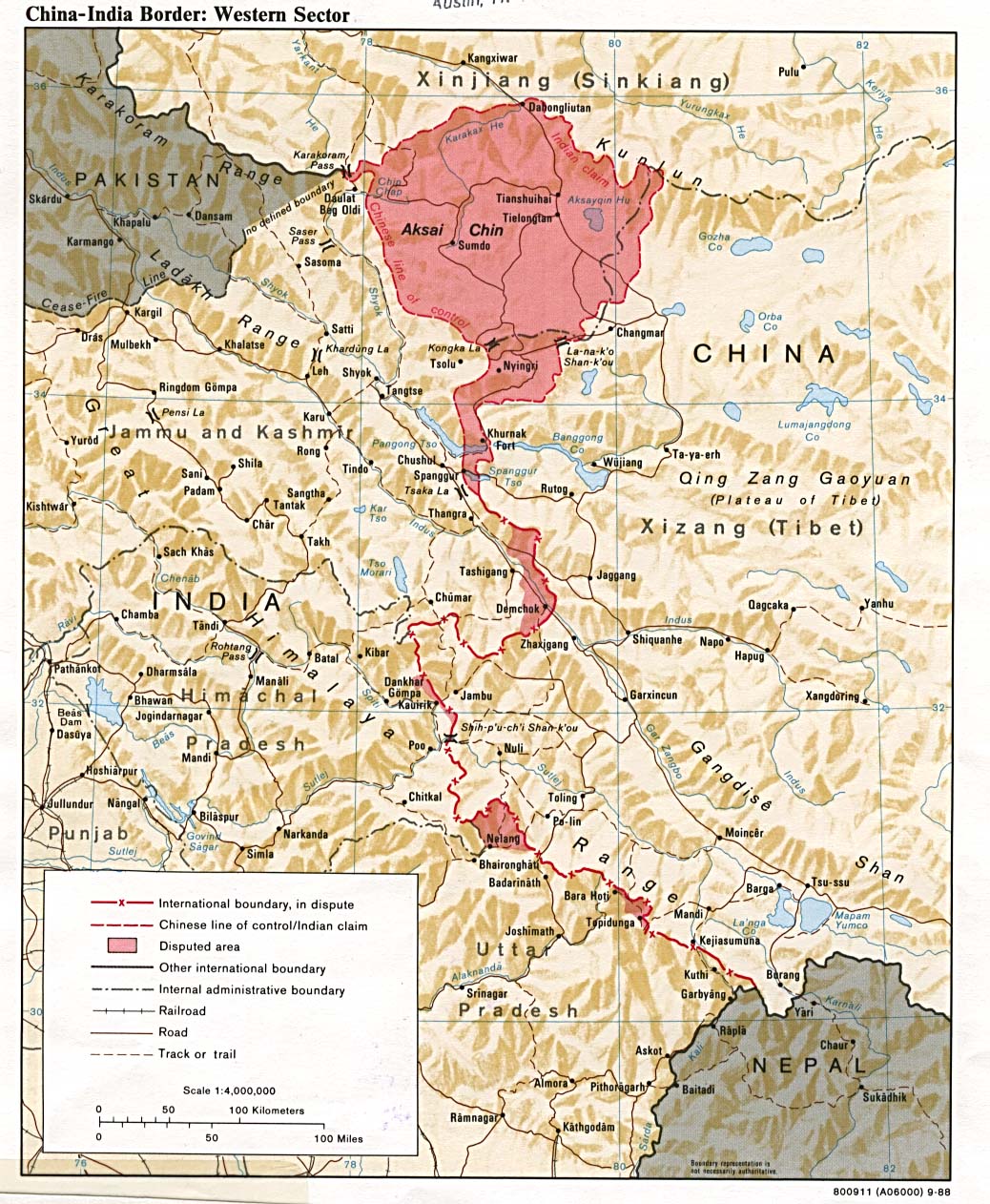
The war grew out of long-standing ambiguity about the boundary between the two states, including differing maps and lines such as the McMahon Line in the east and competing claims in the western Aksai Chin region. The 1950s saw rising tensions after the Chinese takeover of Tibet and unilateral infrastructure projects in contested areas. India’s forward-deployment of small posts and China’s large-scale military responses magnified friction, while diplomatic efforts failed to reach a settlement.
Theaters and conduct
Major fighting occurred in two principal sectors: the western sector around Aksai Chin and the eastern sector in what India then called the North-East Frontier Agency (now Arunachal Pradesh). Chinese forces launched coordinated offensives in October 1962, overrunning forward Indian positions and seizing control of key mountain passes. Operations were characterized by short, intense engagements in difficult weather and terrain.
- Main theaters: Aksai Chin (western) and the eastern highlands (NEFA/Arunachal).
- Duration: a matter of weeks, with a unilateral Chinese ceasefire announced in late November 1962.
- Territorial outcome: limited and uneven changes on the ground, with front lines stabilizing near ceasefire positions.
Casualties and material losses were significant for both sides, affecting morale and prompting immediate political reactions in New Delhi and Beijing. The brevity of the campaign masked the logistical and human difficulties of mountain warfare.
Aftermath and legacy: The war prompted India to reform and expand its armed forces, overhaul border management, and reassess its strategic partnerships. It also influenced Beijing–New Delhi relations for decades, leaving unresolved boundary issues and mutual suspicion that periodically flare into standoffs. Diplomatic talks have continued intermittently since 1962, but the frontier remains one of the region’s most sensitive security matters.
For further context and primary sources, consult contemporary government statements and later historical analyses that examine the military, political, and diplomatic dimensions of the conflict. The war is an important case study in how unclear borders, infrastructure, and rapid military decisions can precipitate intense but short-lived interstate fighting.
Related articles
Author
AlegsaOnline.com Sino-Indian War (1962): brief conflict over Himalayan border claims Leandro Alegsa
URL: https://en.alegsaonline.com/art/90674