
Meiji period (1868–1912): Japan's transformation from feudal state to modern nation
The Meiji period (1868–1912) was a transformative era in Japan when the Meiji emperor and new government modernized politics, economy, society, and armed forces, launching Japan into the international system.
Overview
The Meiji period (明治時代, Meiji-jidai) is the era in Japanese history that began in 1868 and ended in 1912, marked by the reign of Emperor Meiji. The era name Meiji is commonly translated as "Enlightened Rule." It followed the final years of the Tokugawa shogunate (the Keiō era) and preceded the Taishō era. The years after 1868 are often discussed under the broader heading of the Meiji Restoration, the political revolution that restored imperial rule and set Japan on a rapid program of state-led modernization. For more on the era name and periodization see era name, and see links to adjacent eras Keiō and Taishō. The emperor of the period is commonly identified as Emperor Meiji.
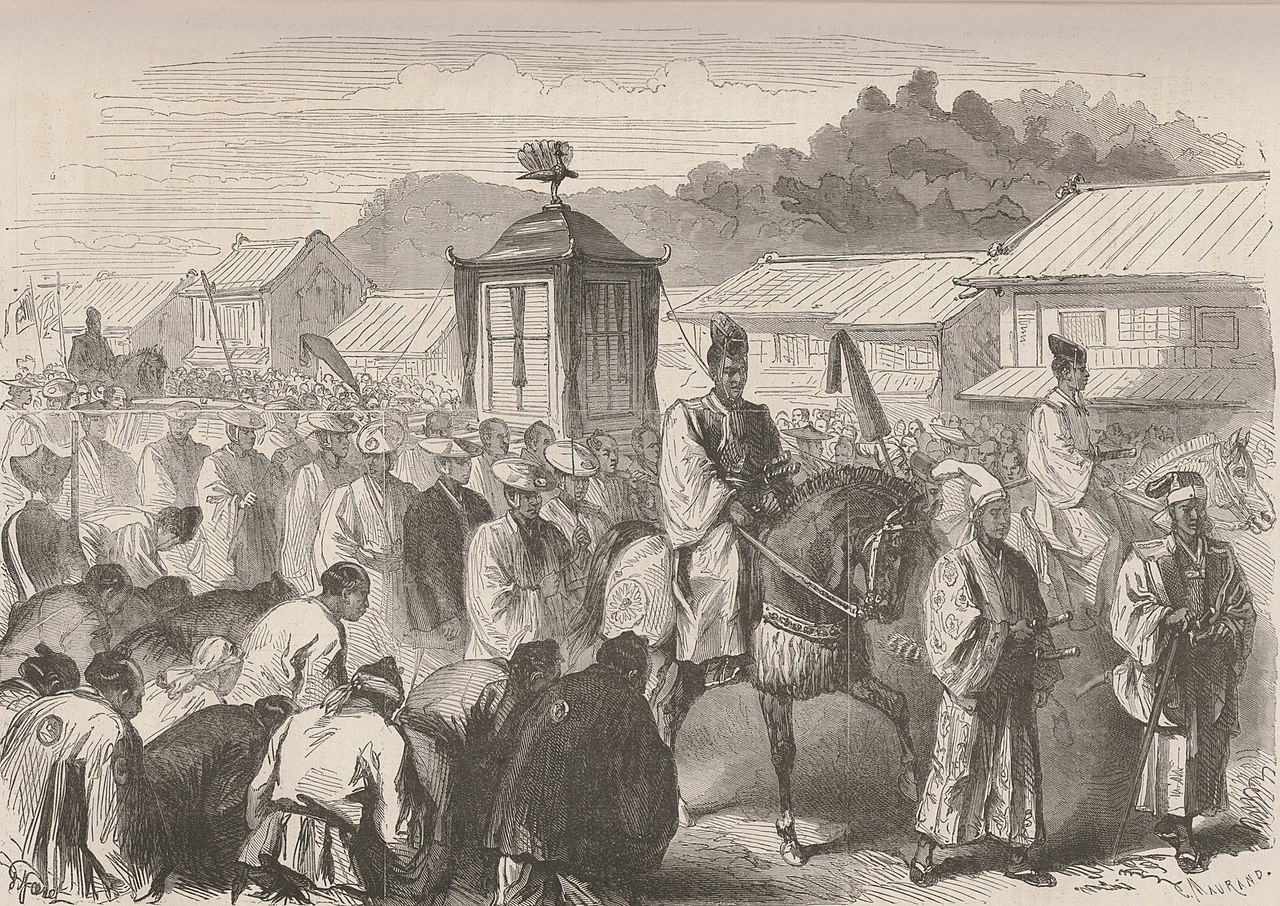
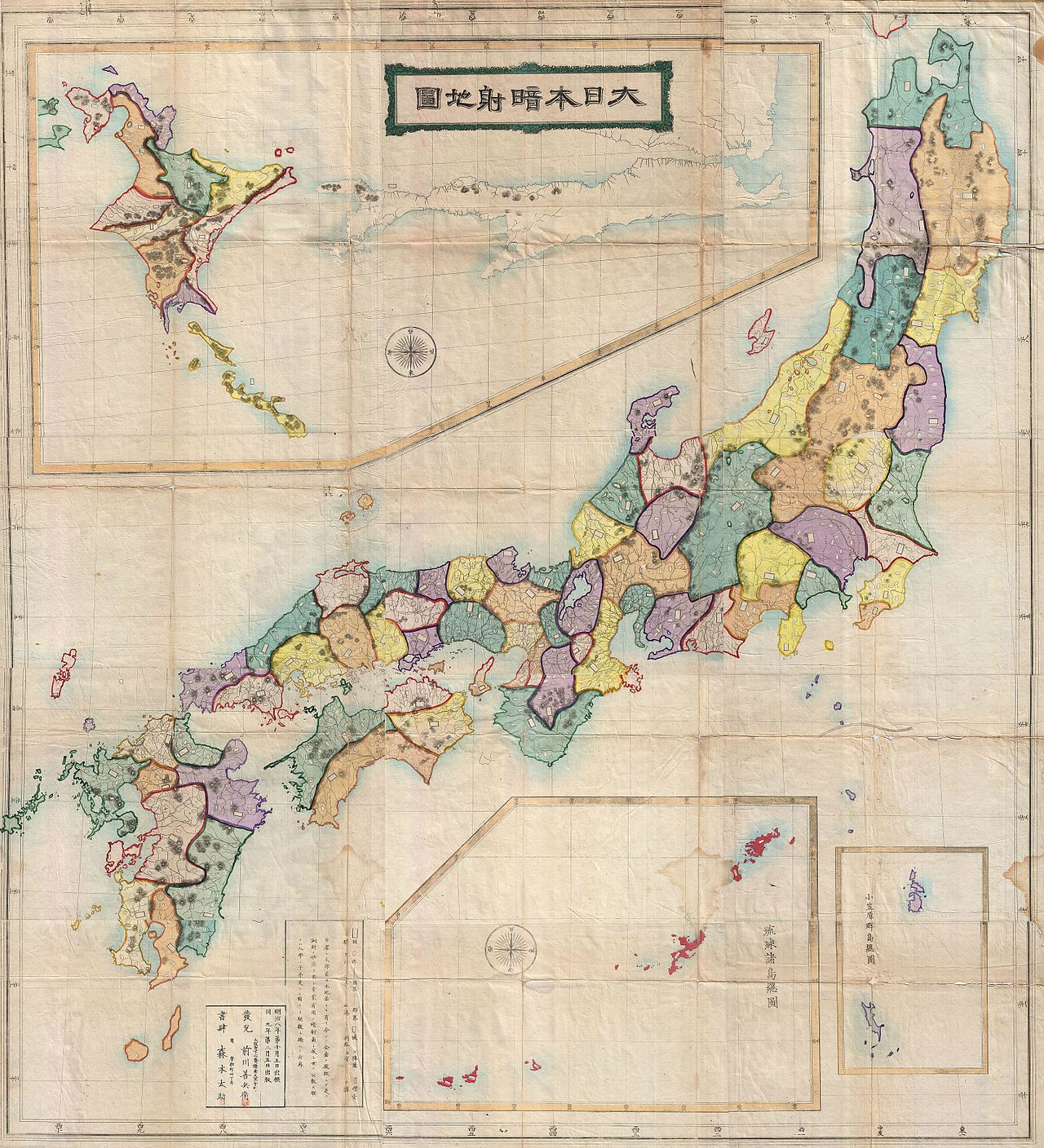
Image gallery
10 Images





Key reforms and institutions
Meiji leaders dismantled many features of the old feudal order and built new institutions modeled in part on Western examples. Major steps included the abolition of the han (domain) system and the creation of prefectures, the introduction of a modern tax system and land registration, establishment of compulsory elementary education, and formation of a conscript army and modern navy. In 1889 the Meiji Constitution created a constitutional monarchy with a bicameral Imperial Diet, legal codes, and a centralized bureaucracy that coordinated economic and social change.
Economy, society, and culture
Economic policy encouraged industrialization through infrastructure projects, state-supported factories, and later the privatization of many enterprises that became powerful family-controlled conglomerates known as zaibatsu. New transport and communications—railways, telegraphs, modern ports—linked markets and accelerated urbanization. Socially, the period saw the decline of samurai privileges, migration from countryside to cities, and cultural debates about Westernization and tradition. Education reforms and the spread of print culture fostered new literary and artistic movements, while Western-style painting and sciences were introduced alongside the revitalization of Japanese traditions.
Foreign relations and military expansion
Meiji Japan pursued an active foreign policy intended to revise unequal treaties and secure resources and influence. The government dispatched missions abroad to study Western institutions and technology, and it engaged in wars that reshaped regional order: victory over Qing China (1894–1895) and over Russia (1904–1905) established Japan as a major power. These conflicts, plus the colonization of Taiwan and increased influence in Korea, reflected a shift from isolation to imperial competition.
Legacy and distinctions
The Meiji period is widely seen as the foundation for modern Japan: it transformed a largely agrarian, feudal society into an industrialized, centralized state capable of competing with Western powers. Its achievements included rapid modernization of infrastructure, law, education, and industry, though the process also produced social dislocation, political tensions over the pace and direction of reform, and new inequalities tied to industrial capitalism and empire. The balance between Western models and Japanese identity became a lasting theme for the 20th century.
Further reading and context
- Political and institutional reforms of the Meiji state and the Meiji Constitution.
- Economic modernization, zaibatsu formation, and infrastructure such as early railways.
- Diplomatic history and military conflicts that raised Japan's international status.
- Cultural shifts in education, religion, and arts during rapid Westernization.
Questions and answers
Q: What was the Meiji period?
A: The Meiji period was a Japanese era that lasted from September 1868 to July 1912.
Q: What does the term "Meiji" mean?
A: The term "Meiji" means "Enlightened Rule" or "Enlightened Government".
Q: Who was the emperor during the Meiji period?
A: The emperor during the Meiji period was Meiji-tennō.
Q: What is a nengō?
A: A nengō is a Japanese era name or "year name".
Q: What was the nengō during the Meiji period?
A: The nengō during the Meiji period was Meiji.
Q: When did the Meiji period begin and end?
A: The Meiji period began in September 1868 and ended in July 1912.
Q: What era name came after the Meiji period?
A: The era name that came after the Meiji period was Taishō.
Related articles
Author
AlegsaOnline.com Meiji period (1868–1912): Japan's transformation from feudal state to modern nation Leandro Alegsa
URL: https://en.alegsaonline.com/art/63563
Sources
- books.google.com : Japan Encyclopedia
- globalsecurity.org : GlobalSecurity.org
- globalsecurity.org : Japanese years
- books.google.com : Japans Kaiserhof in der Edo-Zeit: unter besonderer Berucksichtigung der Jahre 1846 bis 1867
- books.google.com : Japan Encyclopedia
- books.google.com : Japan Encyclopedia
- books.google.com : Japan Encyclopedia
- books.google.com : Japan Encyclopedia
- kantei.go.jp : Prime Minister of Japan and Cabinet
- kantei.go.jp : "Prime Ministers in History, 1st-30th (1885-1934)"
- books.google.com : Japan Encyclopedia
- books.google.com : Japan Encyclopedia
- books.google.com : Japan Encyclopedia