
Tokugawa Ieyasu (1543–1616)
Founder of the Tokugawa shogunate who unified Japan after decades of warfare; established institutions and policies that shaped the Edo period and Japanese society for centuries.
Overview
Tokugawa Ieyasu (January 31, 1543 – June 1, 1616) was the military leader who established the Tokugawa shogunate, a government that brought relative peace and centralized rule to Japan. In traditional Japanese naming convention the family name precedes the given name; his family name later became Tokugawa. He was officially appointed shogun in 1603 and formally retired in 1605, but he continued to exert decisive influence until his death.
Image gallery
10 Images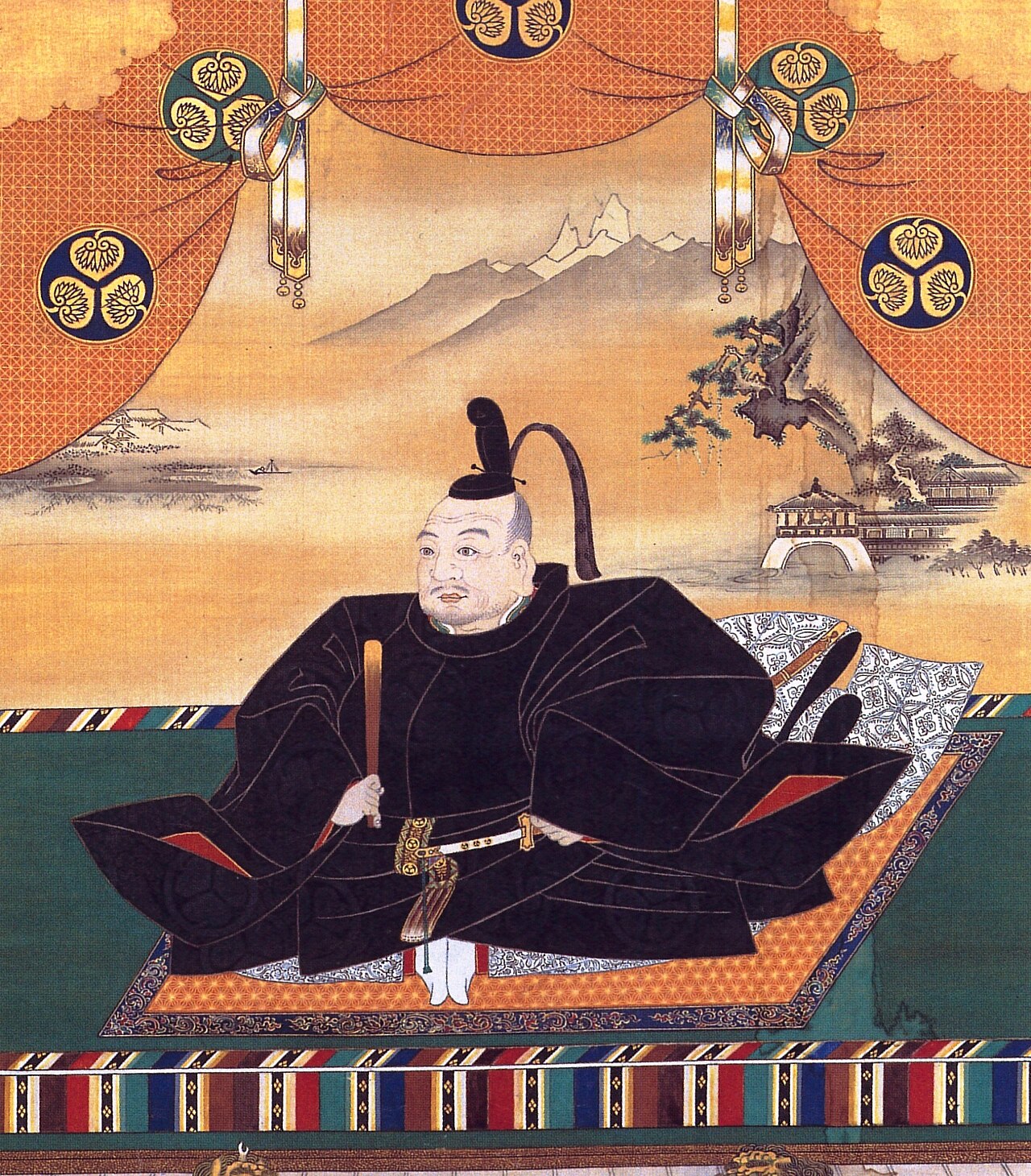



Early life and rise to power
Born into a provincial samurai family, Ieyasu spent part of his youth as a political hostage—an experience common in the Sengoku period. He rose through shifting alliances, at times cooperating with powerful figures such as Oda Nobunaga and Toyotomi Hideyoshi. Returning to prominence after Hideyoshi's death, Ieyasu secured his position by winning the decisive Battle of Sekigahara in 1600, which effectively made him the leading power in Japan and paved the way for the Tokugawa political order. See notes on his earlier family name and lineage at Matsudaira and clan background.
Rule and political program
As ruler, Ieyasu built a durable framework of governance that balanced central authority with the autonomy of regional lords (daimyō). He reorganized landholdings, implemented systems to monitor and limit military threats from rivals, and promoted administrative reforms to stabilize finance and law. Though some institutions were refined by his successors, the core arrangement he established endured for more than two centuries under the Tokugawa family.
Government and institutions
- Bakufu (shogunate): The military government seated in Edo exercised national oversight while delegating local control to daimyō.
- Control of daimyō: Policies restricted castle construction, inheritance patterns, and required obligations to the shogunate.
- Alternate attendance: The practice that bound regional lords to the capital by periodic residence had roots in Ieyasu's policies and later became formalized.
- Administrative reforms: Land surveys, tax regulations, and standardized law helped bring fiscal and social order under the shogun.
Culture, religion and foreign affairs
Ieyasu's era encouraged cultural production and the adoption of Neo-Confucian ideas as a moral basis for governance. Concern about foreign influence and the spread of Christianity led to early restrictions on missionaries and converts; these measures expanded into a more restrictive foreign policy under later rulers. Limited trade continued under controlled arrangements, with certain ports and partners permitted to engage in commerce under strict conditions (foreign policy and trade).
Legacy
Tokugawa Ieyasu's greatest historical significance is institutional: he founded a stable regime that inaugurated the long Edo period (1603–1868), a time of relative peace, economic growth, and social regulation. His combination of military skill, political compromise, and administrative design shaped Japan's political landscape for generations and remains a central subject of study in Japanese history.
Related articles
Author
AlegsaOnline.com Tokugawa Ieyasu (1543–1616) Leandro Alegsa
URL: https://en.alegsaonline.com/art/100295
Sources
- books.google.com : "Tokugawa Ieyasu"
- books.google.com : The Maker of Modern Japan: The Life of Tokugawa Ieyasu, p. 51
- books.google.com : p. 70
- books.google.com : The Making of Modern Japan, p. 29