
Landform: types, formation, and significance
An overview of landforms: definitions, common types, how they form, their role in ecosystems and human activity, and how scientists classify and study them.
A landform is a natural feature of the Earth's surface distinguished by its shape, size, location and the materials that compose it. The term covers everything from small dunes to extensive mountain ranges and is central to how we describe land. Scientists who study the origin, evolution and distribution of landforms work in the field of geomorphology, which links geology, climate, water, and living processes.
Image gallery
7 Images


Common types
Landforms are often grouped by their appearance and the processes that create them. Typical categories include:
- Mountains and hills — elevated areas with significant relief.
- Plains and plateaus — broad, relatively flat regions at low or high elevation.
- Valleys and canyons — elongated depressions carved by rivers or glaciers.
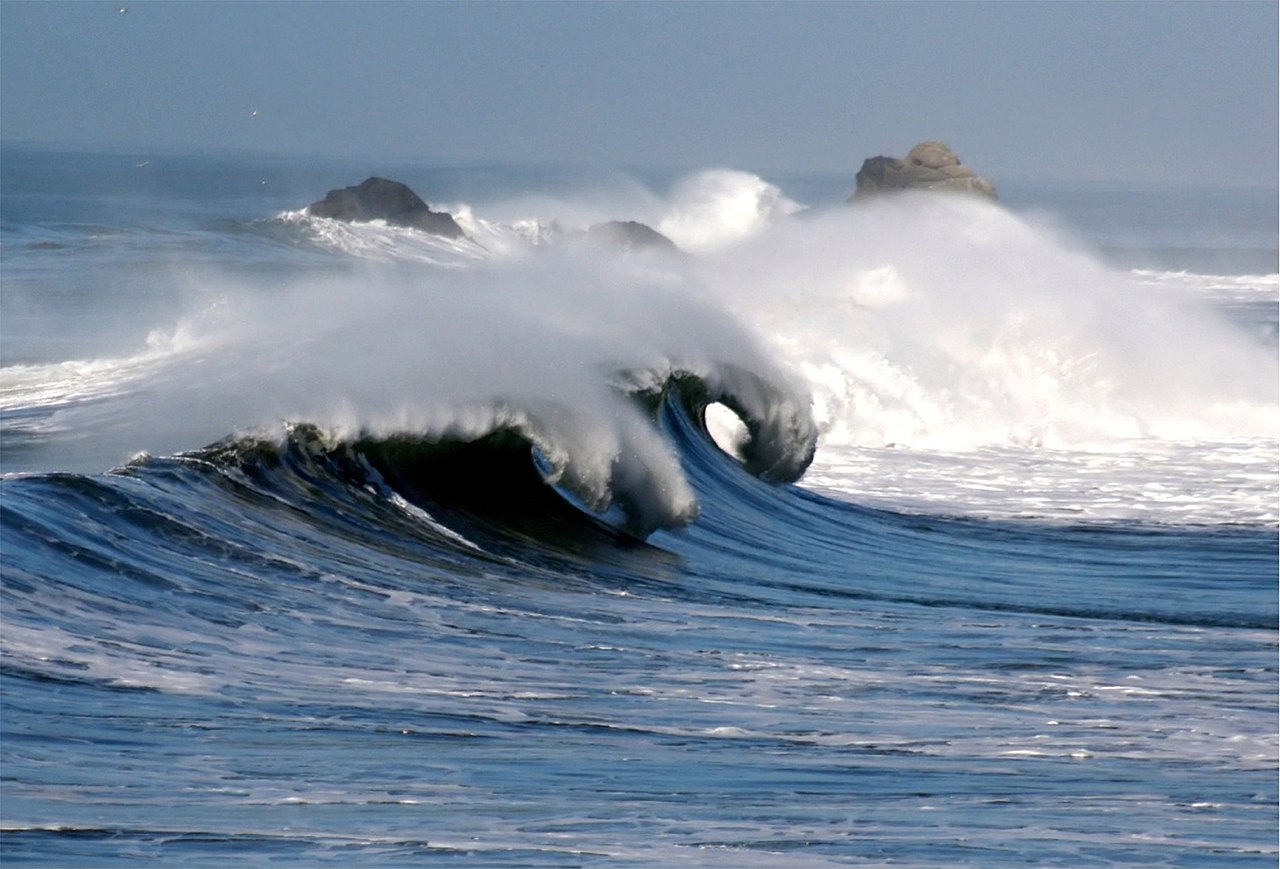
- Coastal features — beaches, cliffs, deltas and estuaries shaped by waves and tides.
- Desert features — dunes and alluvial fans formed by wind and intermittent water flow.
How landforms develop
Processes that create and modify landforms include tectonic uplift, volcanic activity, erosion by water, wind and ice, and the deposition of sediments. These forces operate over widely varying timescales: a flood can reshape a riverbank in hours, while mountain building unfolds over millions of years. Interactions among climate, rock type and vegetation determine how rapidly a landscape changes.
Importance and uses
Landforms influence ecosystems, soil development, water resources and human settlement. They determine drainage patterns, provide habitats, influence local climate, and affect where people farm, build and extract resources. Understanding landforms helps in hazard assessment (landslides, floods, coastal erosion) and in planning sustainable land use.
Classification and distinctions
Practically, landform classification uses attributes such as relief (vertical difference), slope, extent and genesis (origin). It is useful to distinguish "landform" from related terms: "terrain" often refers to the shape and roughness of the surface, while "landscape" can include cultural or ecological aspects in addition to physical form. Ongoing research in geomorphology refines how features are named and compared across different regions.
Related articles
Author
AlegsaOnline.com Landform: types, formation, and significance Leandro Alegsa
URL: https://en.alegsaonline.com/art/55813