
Silurian Period — post-Ordovician recovery, early land plants and marine diversification
Geologic period about 443–419 million years ago. Marked by recovery after a major extinction, widespread shallow seas and reefs, first vascular plants on land, diverse marine life, and active mountain building.
Overview
The Silurian is a geologic interval often described as the period Silurian, spanning roughly from about 443 million to 419 million years ago. It follows the Ordovician and precedes the Devonian. As the third period of the Paleozoic era within the Phanerozoic eon, the Silurian is notable for biological recovery after a major extinction and for key steps in the colonization of land.
Image gallery
10 Images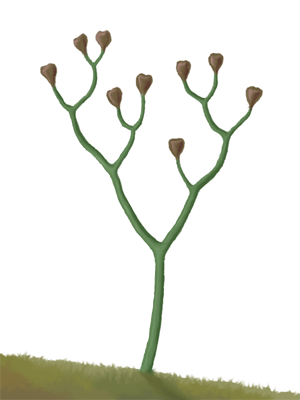


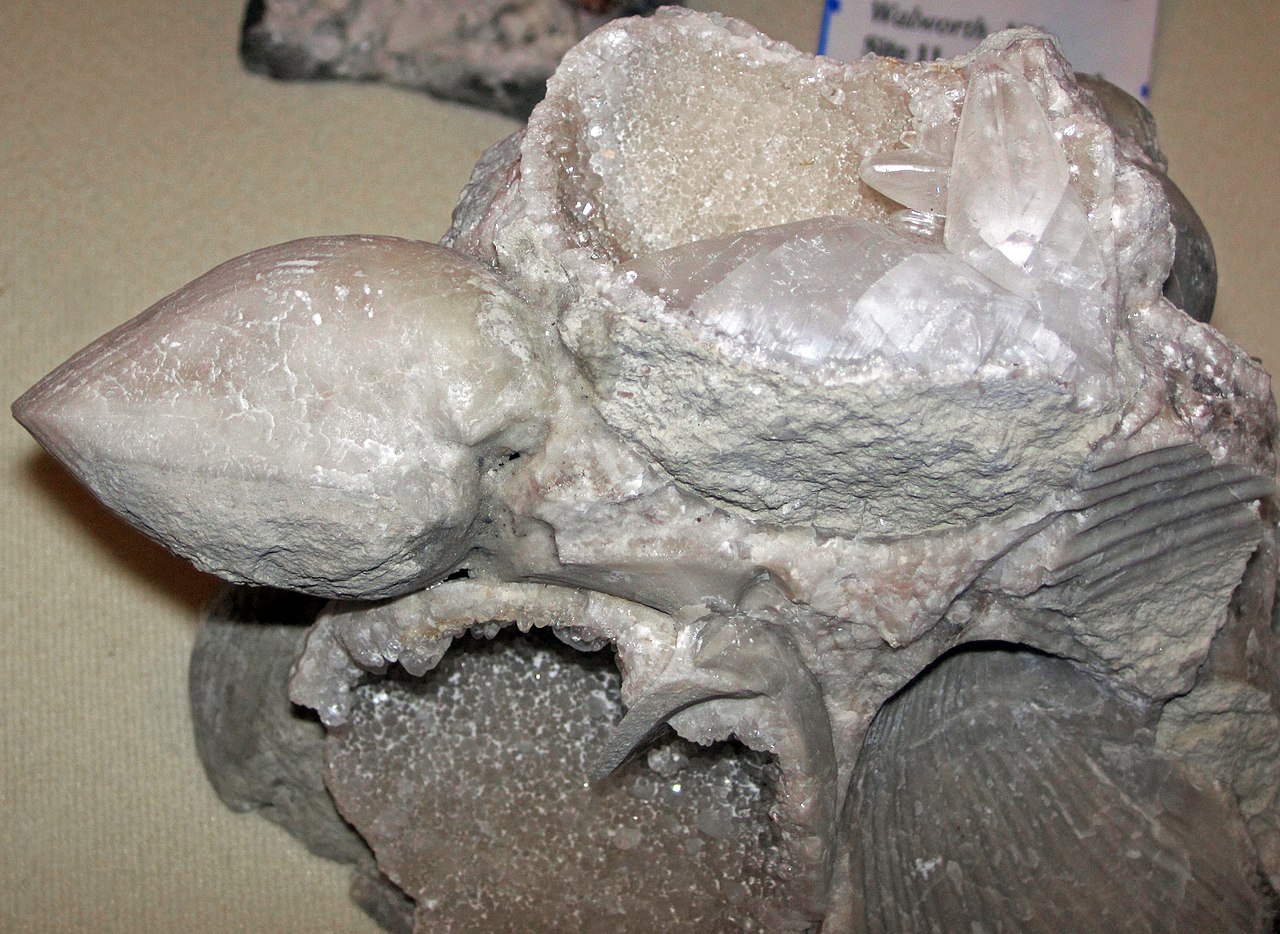


Environment and geology
Global climate in the Silurian warmed following the glaciation that ended the preceding interval. Sea levels rose and shallow continental shelves became widespread, producing extensive carbonate deposition. Rocks that define the start and end of the Silurian are well identified in the field and by characteristic fossil assemblages, although precise numerical boundaries remain refined as geochronology improves. The period includes named subdivisions such as Llandovery, Wenlock, Ludlow and Pridoli, used by geologists to organize strata and events.
Life and ecosystems
Marine ecosystems rebounded strongly after the End-Ordovician extinction, leading to flourishing reefs formed by corals and sponge-like stromatoporoids, and a diversified fauna of brachiopods, mollusks, trilobites and jawless fish. Notable Silurian organisms include large eurypterids (sea scorpions) and early vertebrates. Terrestrial life made its first substantial advances: small vascular plants and simple lichens and microbial mats began to stabilize soils, and arthropods such as millipede-like myriapods and primitive arachnids appear in the fossil record.
Major geological and biological developments
- Reef expansion and carbonate platform development across shallow seas.
- Orogenic activity as continents such as Baltica and Laurentia converged, driving mountain building and changing paleogeography.
- Early evolution of land plants (small, simple vascular forms) and the first clear evidence of terrestrial animals.
- Continued diversification of marine invertebrates and early vertebrate lineages.
History of study and significance
The Silurian was first defined in the 19th century based on rock sequences in Britain and has since been recognized worldwide in geologic studies by correlating fossil assemblages and rock types. Its importance lies in bridging the major biotic crisis at the end of the Ordovician and the innovations that preface the Devonian 'Age of Fishes', making it a key interval for understanding the early steps of life onto land and the restructuring of marine ecosystems.
For more on terminology, stratigraphic subdivisions and detailed fossil records, see specialist summaries and regional stratigraphic charts linked from general references (Paleozoic, Phanerozoic sources) and field guides to Silurian sections and fossils (period overview, comparative intervals).
Eon context and the place of the Silurian within Earth history remain central to teaching and research, and its rock records continue to inform models of climate, sea level and early terrestrialization.
Questions and answers
Q: What is the Silurian period?
A: The Silurian period is the period between the end of the Ordovician period and the beginning of the Devonian period, about 443.4 million to 419 million years ago.
Q: What is the Silurian period's place within the Paleozoic era and the Phanerozoic eon?
A: The Silurian period is the third period in the Paleozoic era and the Phanerozoic eon.
Q: Is the beginning and end of the Silurian period precisely known?
A: The rock beds that mark the beginning and end of the Silurian period are well-identified, but the exact dates are uncertain within a range of several million years.
Q: How long did the Silurian period last?
A: The Silurian period is the shortest period in the Paleozoic era, lasting from about 443.4 million to 419 million years ago.
Q: When did the Silurian period begin?
A: The Silurian period began with a major extinction event called the End-Ordovician extinction, which wiped out 60% of marine species.
Q: What happened during the End-Ordovician extinction event?
A: The End-Ordovician extinction event wiped out 60% of marine species and marked the beginning of the Silurian period.
Q: Are there any well-known rock beds that define the start and end of the Silurian period?
A: Yes, the rock beds that define the start and end of the Silurian period are well-identified.
Related articles
Author
AlegsaOnline.com Silurian Period — post-Ordovician recovery, early land plants and marine diversification Leandro Alegsa
URL: https://en.alegsaonline.com/art/90441