
Saurornithoides: a small, birdlike troodontid of the Late Cretaceous
Saurornithoides was a small, agile troodontid theropod from the Late Cretaceous of Asia, known for its large eyes, raised sickle-like second toe claw, and fossils recovered in the Gobi Desert and parts of China.
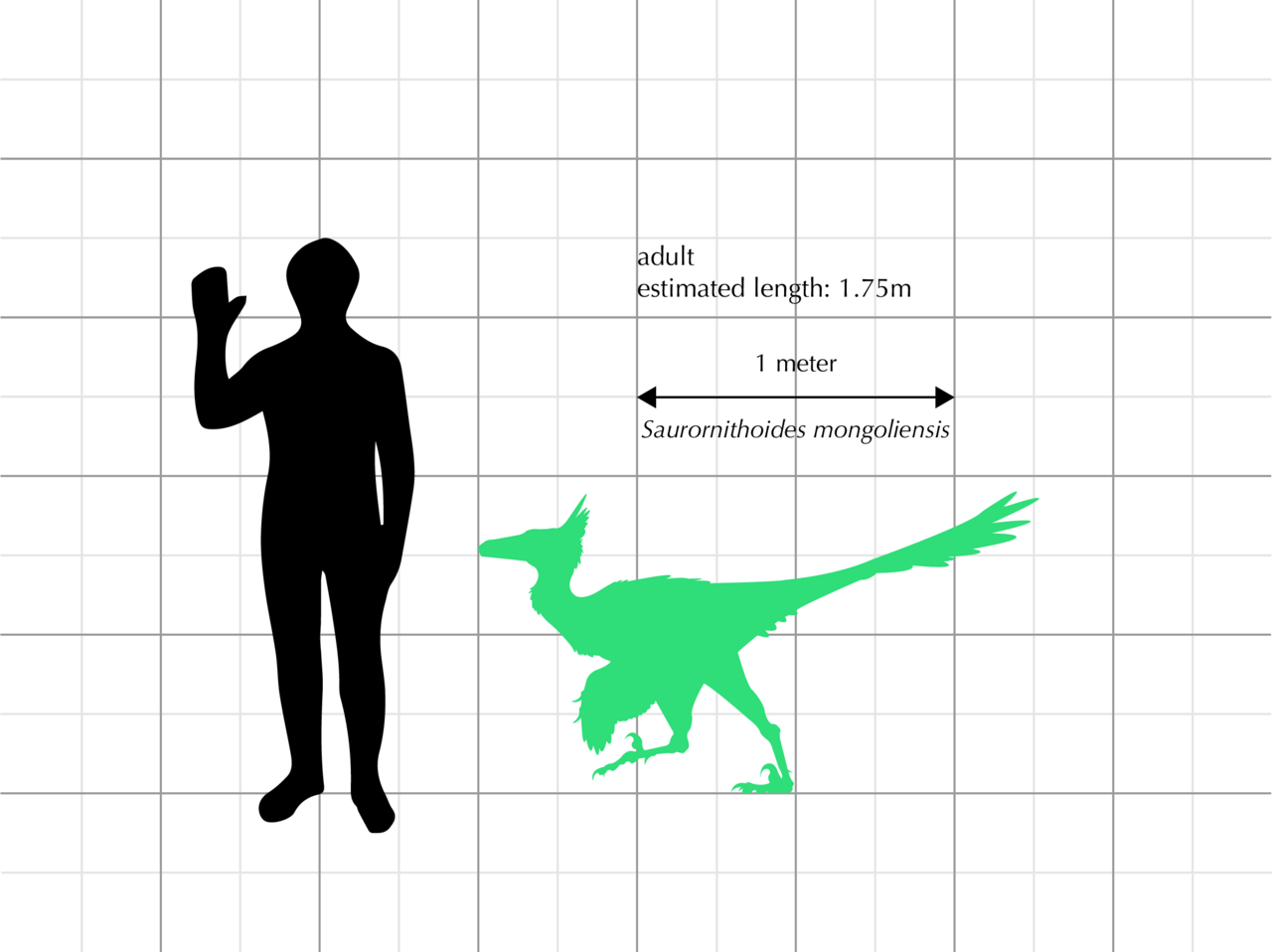
Overview: Saurornithoides was a small, lightly built theropod belonging to the family Troodontidae. It lived during the Late Cretaceous, tens of millions of years before the end of the Mesozoic era (geological time). Known from relatively complete skulls and partial skeletons, this genus is often reconstructed as roughly the size of a large dog: a gracile animal with long legs, a slender snout and a relatively large brain for its body. Its anatomy suggests it was an agile runner and an active, visually oriented predator.
Image gallery
9 Images


Physical characteristics
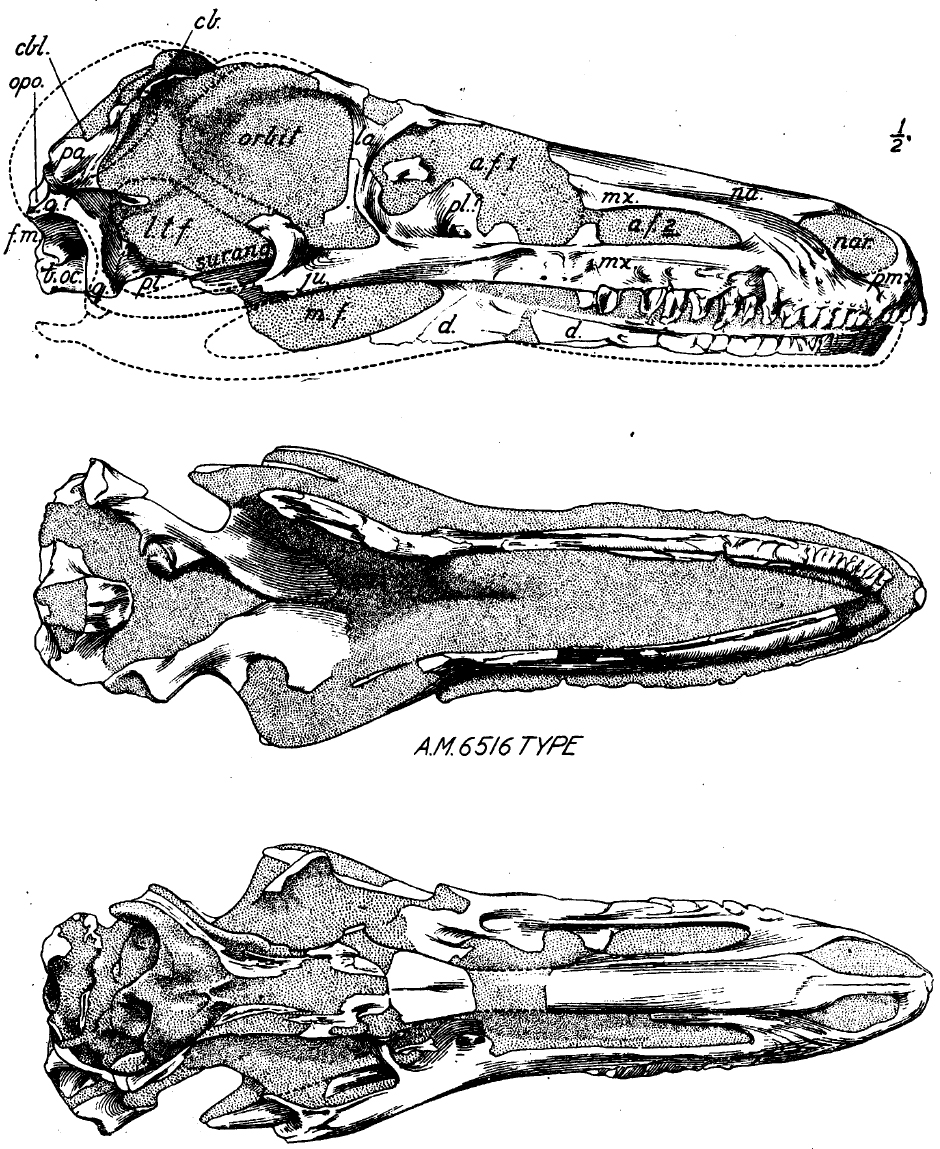
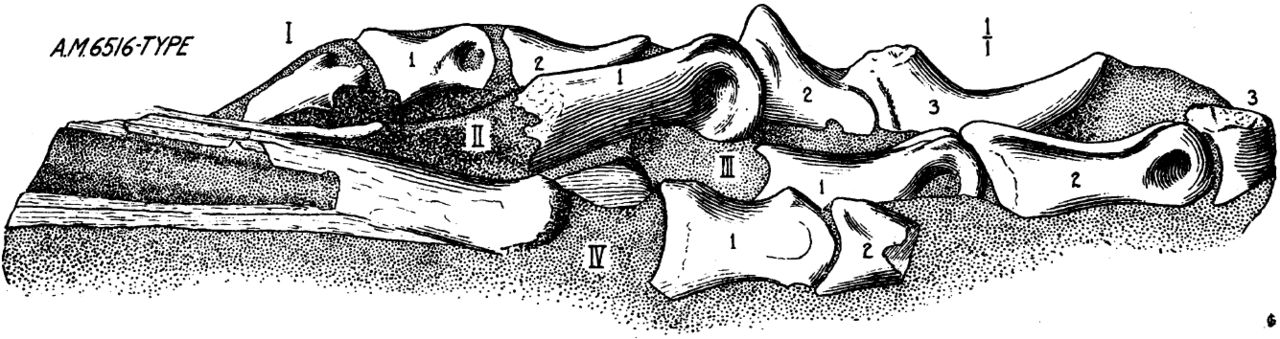
Saurornithoides had features typical of troodontids: an elongated skull with many small, serrated teeth, large forward-facing eyes that imply good binocular vision, and a lightly built skeleton adapted for speed. Like other members of its family it bore a distinctive raised second toe equipped with a recurved, sickle-shaped claw; this claw was kept off the ground when walking and could be used in prey capture. Soft-tissue coverings are not preserved, but by analogy with related theropods it was probably covered in protofeathers or feathers.
Behavior, diet and senses
Its dentition and jaw shape imply a diet of small vertebrates and invertebrates: lizards, mammals, frogs, insects and possibly eggs. The relatively large braincase and eye sockets suggest keen vision and above-average cognitive abilities for a small theropod; some authors have compared its sensory adaptations to those of its better-known relative Troodon. Hypotheses such as cooperative hunting have been proposed, but direct evidence is lacking and such behavior remains speculative.
Discovery and fossil record
Fossils of Saurornithoides have been recovered from deposits in central Asia. Important specimens came from the Gobi Desert during exploratory expeditions of the early 20th century and later fieldwork; additional remains have also been reported from parts of northern China and adjacent regions (Mongolia, China). The Gobi expeditions that brought many of these fossils to science took place in the 1920s and yielded several notable dinosaur taxa, including Velociraptor, Protoceratops and Oviraptor. Field sites in that area continue to produce material that refines our understanding of troodontid diversity and anatomy (Gobi Desert).
Distinctive traits and scientific importance
- Large eyes and forward-facing orbits indicating strong binocular vision and likely nocturnal or crepuscular activity.
- Raised second toe with a sickle-shaped claw similar to other maniraptoran theropods but differing in proportions and curvature.
- Relatively large brain-to-body ratio; useful in studies of theropod sensory evolution and behavior.
- Plays a role in reconstructing troodontid relationships and the broader picture of small predatory dinosaurs in Late Cretaceous Asian ecosystems.
Because troodontid taxonomy has been revised repeatedly, exact species limits and relationships within the group remain an active area of research. For accessible summaries and specimen information see general resources and museum accounts (overview, genera notes, time scale).
In short, Saurornithoides is an informative example of small, birdlike predatory dinosaurs from Asia: a fast, visually acute troodontid that helps paleontologists understand the ecology, sensory adaptations and evolutionary pathways of maniraptoran theropods in the Late Cretaceous world.
Related articles
Author
AlegsaOnline.com Saurornithoides: a small, birdlike troodontid of the Late Cretaceous Leandro Alegsa
URL: https://en.alegsaonline.com/art/87579