
Oviraptor — toothless, crested theropod of the Late Cretaceous
Oviraptor, a toothless, likely feathered theropod from the Late Cretaceous of Mongolia, known from a nest-associated specimen. Notable for parental-care evidence, crest uncertainty, and debated diet.
Overview
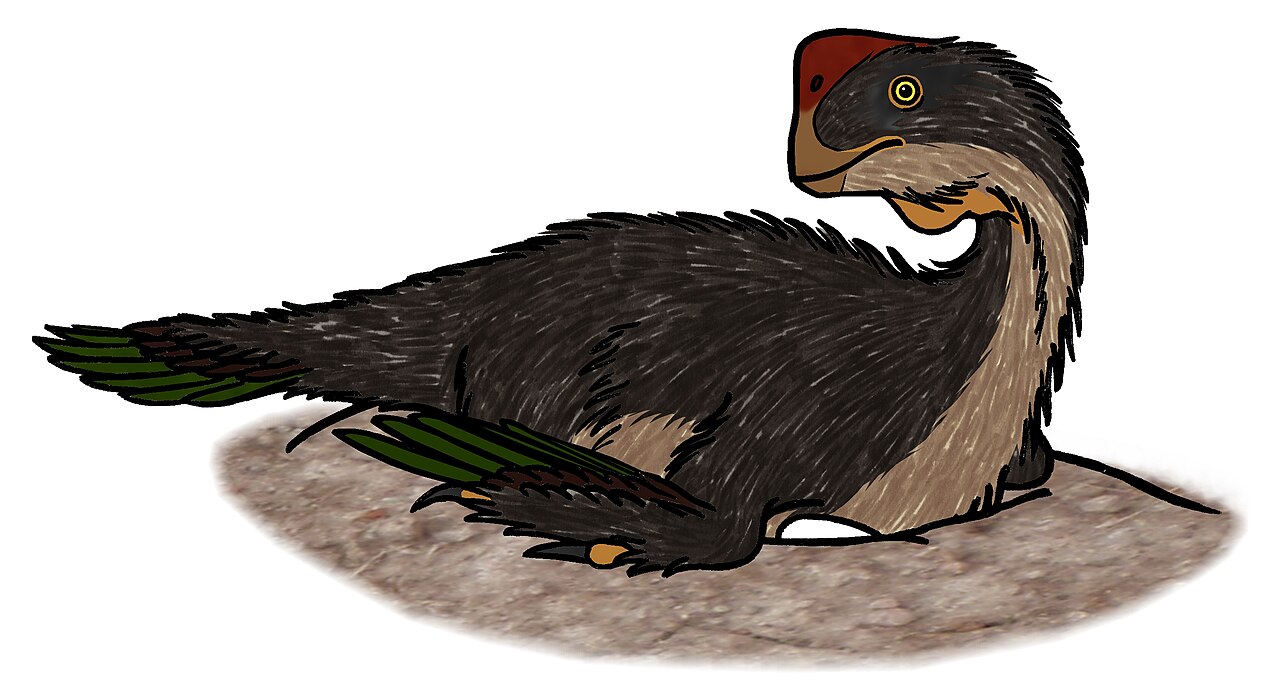
Oviraptor is a genus of small-to-medium sized theropod dinosaur first described from Late Cretaceous deposits in what is now Mongolia. The genus is recognized primarily from a single well-known specimen found in association with a cluster of eggs. Oviraptor is notable for its toothless, parrot-like beak, probable feathers, and for being central to one of the classic debates in paleontology: whether some non-avian dinosaurs stole eggs or brooded them as caring parents.
Image gallery
10 Images




Discovery and naming
The first Oviraptor specimen was collected in the 1920s and described soon afterward. It was discovered atop a nest of eggs, a context that led early researchers to interpret it as an egg thief — the meaning of the name Oviraptor translates roughly to "egg thief." Later study of similar fossils and nesting behavior in related species showed that the specimen was more likely a brooding adult protecting its eggs, reversing the original interpretation and illustrating how new evidence can change scientific understanding.
Anatomy and likely appearance
Known material indicates Oviraptor had a short skull with a strong, toothless beak and a relatively large braincase compared with many other non-avian dinosaurs. Many close relatives preserve feathers, and it is widely accepted that Oviraptor and other oviraptorids were feathered as well. Some species in the wider group bear tall cranial crests; however, the skull of the recognized Oviraptor specimen is crushed, so the exact size and shape of any crest for this genus remain uncertain.
- Skull: short, edentulous (toothless) beak.
- Limbs: forelimbs capable of grasping; hands with three fingers.
- Integument: feathers are likely based on close relatives.
Behavior, diet and ecology
Interpretations of Oviraptor's diet have varied. The presence of a lizard in the gut region of the holotype indicates it ate at least some animal matter, so it was not an obligate specialist on eggs. The beak could have been used for a range of foods — plants, mollusks, small vertebrates, or eggs — and dietary flexibility is considered plausible. The nesting association of the type specimen, combined with later discoveries of oviraptorids preserved in brooding poses, supports the idea that these animals cared for their eggs and likely engaged in some form of parental care similar to that of modern birds.
Taxonomy and related species
Oviraptor belongs to the family Oviraptoridae within the clade Maniraptora, a group closely related to birds. Within the oviraptorids there is considerable diversity, and some well-known crested specimens once attributed to Oviraptor have been reassigned to closely related genera — for example, the similarly famous, tall-crested Citipati. Taxonomic revision is ongoing as new specimens are discovered and existing material is re-evaluated.
Significance and notable facts
Oviraptor is important in the history of paleontology because its initial misinterpretation and later reinterpretation exemplify how fossil context and new finds change scientific narratives. It also played a role in shaping ideas about birdlike behavior in non-avian dinosaurs, such as brooding and possible parental care. The genus remains a focal point for research into oviraptorid diversity, feeding ecology, and the evolution of bird-like traits.
Further resources
- Original genus description and historical notes
- Overview of theropod classification
- Geography and geology of the discovery region
- Studies on dinosaur nesting behavior
- Details of the holotype specimen
- Research on parental care in maniraptorans
- Egg and nest analyses related to oviraptorids
- Late Cretaceous context and dating
- Reports of related finds in Inner Mongolia
- Regional paleontological surveys of China
- Comparative anatomy: modern birds with cranial crests
- Evidence for feathers in oviraptorids
- Gut contents and dietary evidence in fossils
Questions and answers
Q: What is Oviraptor?
A: Oviraptor is a genus of dinosaur that lived in Mongolia during the Upper Cretaceous period, about 75 million years ago.
Q: What was discovered with an Oviraptor fossil in 1924?
A: In 1924, an Oviraptor fossil was found on top of some eggs.
Q: Was the Oviraptor eating the eggs or protecting them?
A: Some thought that it had been eating the eggs, while others thought that the fossilized Oviraptor was probably a parent of the eggs in the nest and not an egg thief.
Q: Did Oviraptor have a crest?
A: It is likely that Oviraptor did have a crest, but its exact size and shape are unknown due to crushing in the skull of the only recognized specimen. Judging by its relatives, it probably had feathers.
Q: Did Oviraptor have teeth?
A: No, it had a toothless beak.
Q: What were its feeding habits?
A: Its feeding habits are unknown, but there is evidence suggesting that it may have been at least partially carnivorous as there were remains of a lizard found in its stomach cavity region.
Q: Where did this species live? A:Oviraptor lived in Mongolia during the Upper Cretaceous period, about 75 million years ago
Related articles
Author
AlegsaOnline.com Oviraptor — toothless, crested theropod of the Late Cretaceous Leandro Alegsa
URL: https://en.alegsaonline.com/art/73751