
Scalloped hammerhead (Sphyrna lewini)
A widespread hammerhead shark with a notched cephalofoil, found in warm coastal waters. Known for schooling and vulnerable to overfishing and the fin trade; subject of conservation measures worldwide.
Overview
The scalloped hammerhead (Sphyrna lewini) is a species of shark recognized by a distinctively indented, or "scalloped", hammer-shaped head. It is one of the best-known members of the hammerhead group and has been referred to by several common names including bronze or southern hammerhead. The genus name Sphyrna derives from a Greek word meaning "hammer" and refers to the broad head, technically called a cephalofoil, that characterizes this lineage. For general species information see species page and for broader context on hammerheads see hammerhead sharks.
Image gallery
8 Images




Physical characteristics
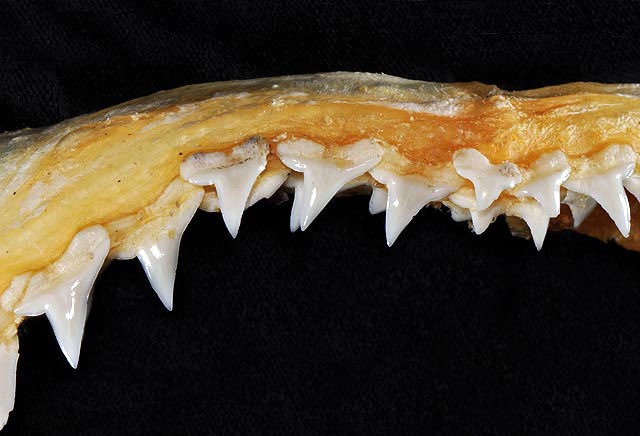
Adults typically have a laterally expanded head with a central notch and several shallow indentations along the front edge that give the "scalloped" appearance. The body is streamlined with a tall, curved first dorsal fin and a generally bronze to brownish coloration that can appear darker along the back. Growth reaches several meters in length, and sexual maturity is reached at different sizes in males and females. The cephalofoil improves sensory perception, maneuverability, and prey detection.
Distribution and habitat
Scalloped hammerheads are found in warm temperate and tropical coastal seas around the world, occurring between temperate latitudes in both hemispheres. They frequent continental shelves, coastal islands, and also visit offshore seamounts and oceanic waters during migrations. Their preferred environments include shallow coastal areas and deeper offshore zones; see regional habitat summaries at coastal waters resources.
Behaviour and life history
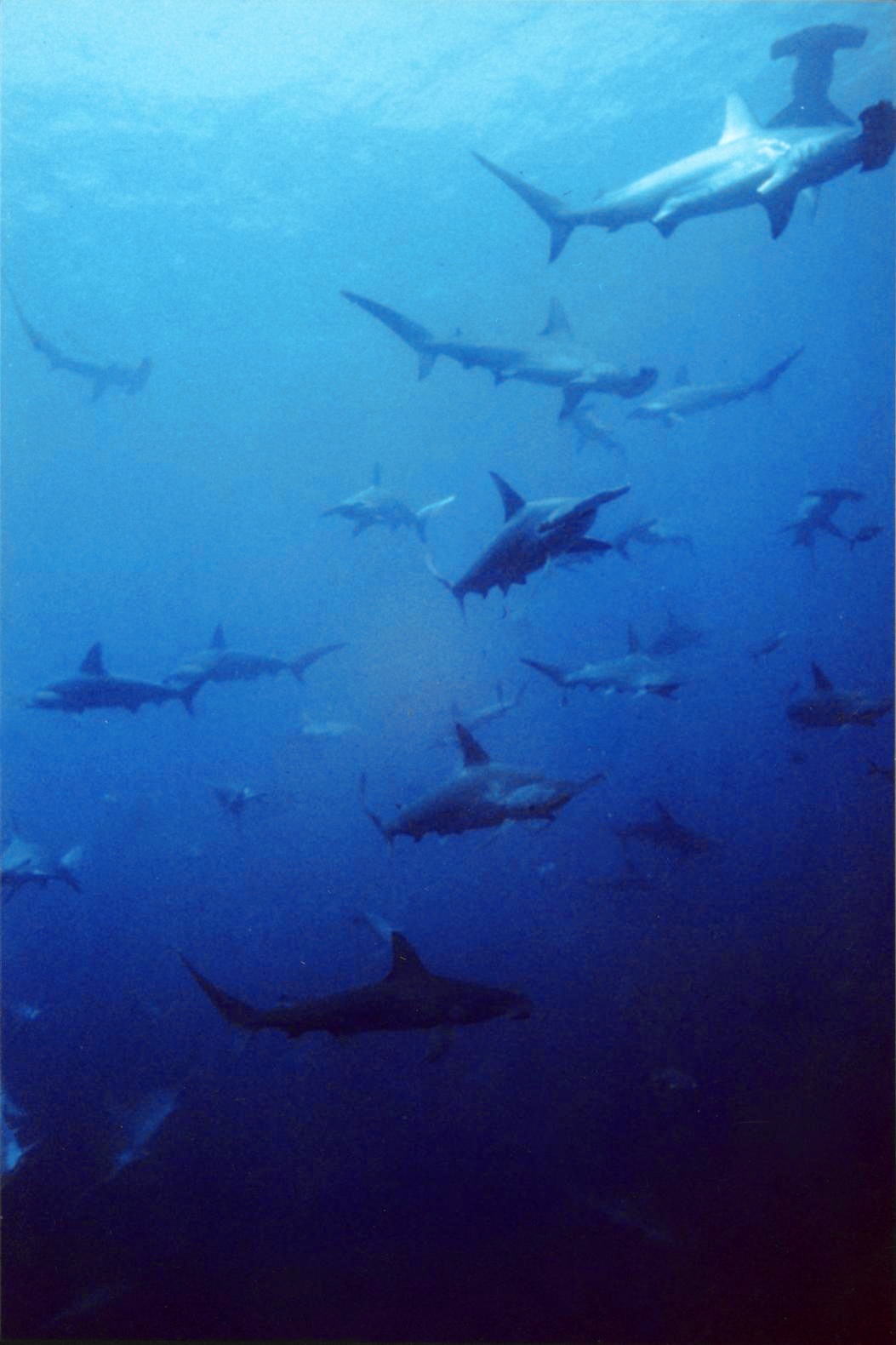
These sharks are often social and form schools that can number from a few individuals to large aggregations; schools are sometimes segregated by size or sex. They are active hunters feeding on benthic and pelagic fishes, cephalopods, and crustaceans. Reproduction is viviparous, with females giving birth to live young after a gestation period; litters can include multiple pups. Juveniles often use coastal nurseries where shallower water offers some protection from predators.
Human interactions and conservation
Scalloped hammerheads have been heavily impacted by fishing pressure, both targeted and as bycatch, and by demand for their fins in international markets. These pressures have caused significant declines in many populations, prompting concern from conservation organizations and regulatory bodies. Measures in some areas include catch limits, protected areas, and international trade restrictions; additional information on cultural and regulatory context can be found via etymology and taxonomic sources and conservation listings. Major threats include overfishing, habitat degradation, and incidental capture in commercial fisheries.
Identification and notable facts
- Cephalofoil shape: the scalloped front margin distinguishes S. lewini from other hammerheads with straighter or more rounded head shapes.
- Social behaviour: schooling is common and can include hundreds of individuals at aggregation sites.
- Conservation status: populations have declined in many regions and the species is the focus of international conservation efforts.
Because of its wide distribution and recognizable appearance, the scalloped hammerhead is an important species for marine ecology, fisheries management, and public awareness about shark conservation.
Questions and answers
Q: What is the scientific name of the scalloped hammerhead shark?
A: The scientific name of the scalloped hammerhead shark is Sphyrna lewini.
Q: What are some other names for the scalloped hammerhead shark?
A: The scalloped hammerhead shark is also known as the bronze hammerhead, the kidney-headed hammerhead, or the southern hammerhead.
Q: What does the word "Sphyrna" mean?
A: The word "Sphyrna" is a Greek word meaning "hammer", which refers to the "hammer" or "cephalofoil" on the shark's head.
Q: Where is the scalloped hammerhead shark found?
A: The scalloped hammerhead shark is found in warm temperate and tropical coastal waters all around the world, between latitudes 46° N and 36° S.
Q: Is the scalloped hammerhead shark a common species?
A: Yes, the scalloped hammerhead shark is the most common Hammerhead shark.
Q: What was the former scientific name of the scalloped hammerhead shark?
A: The scalloped hammerhead shark was first known as zygaena lewini, but is now known as Sphyrna lewini.
Q: What is the unique feature of the scalloped hammerhead shark's head?
A: The scalloped hammerhead shark has a "hammer" or "cephalofoil" on its head, which is a unique feature.
Related articles
Author
AlegsaOnline.com Scalloped hammerhead (Sphyrna lewini) Leandro Alegsa
URL: https://en.alegsaonline.com/art/87755
Sources
- iucnredlist.org : "Sphyrna lewini"
- montereybayaquarium.org : Scalloped hammerhead shark
- sharkinfo.ch : Fact Sheet: Scalloped Hammerhead Shark
- galapagosexpeditions.com : Galapagos Hammerheads, Scalloped Hammerhead Shark Facts