
Scaphognathus: a Late Jurassic rhamphorhynchoid pterosaur
Scaphognathus, from the Solnhofen limestones of the Late Jurassic, was a small long-tailed pterosaur with a leaf-shaped tail vane, short robust skull, and wingspan near one metre.
Overview
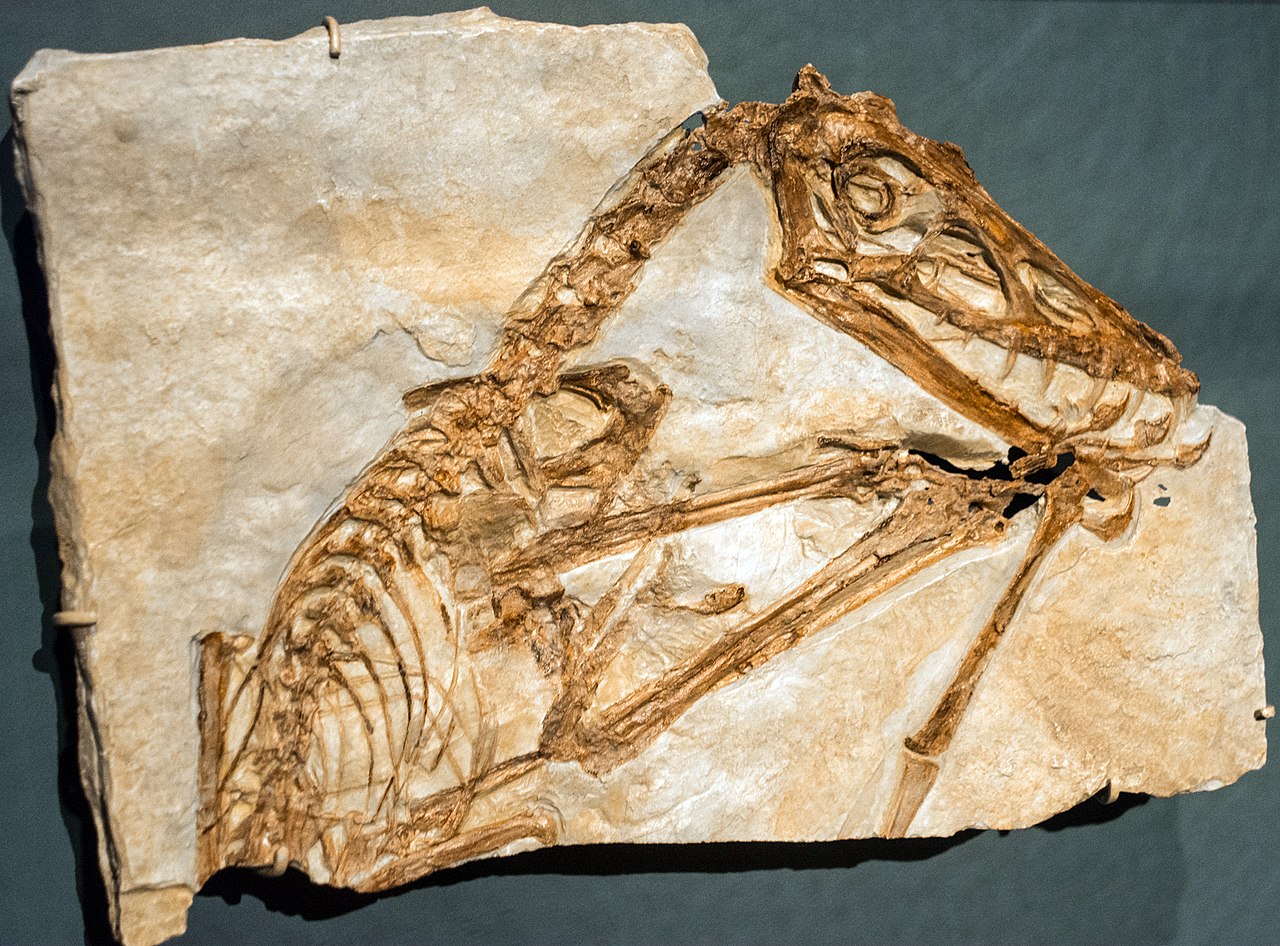
Scaphognathus is a genus of small pterosaur known from the Late Jurassic Solnhofen limestones of southern Germany. It belongs to the early long-tailed group often called rhamphorhynchoids; this broader grouping is discussed in specialist literature and overviews of basal pterosaurs (rhamphorhynchoid). Fossils come from the same fine-grained deposits that preserve many delicate organisms, allowing good detail of bones and wing membranes to be observed (Solnhofen limestone).
Image gallery
10 Images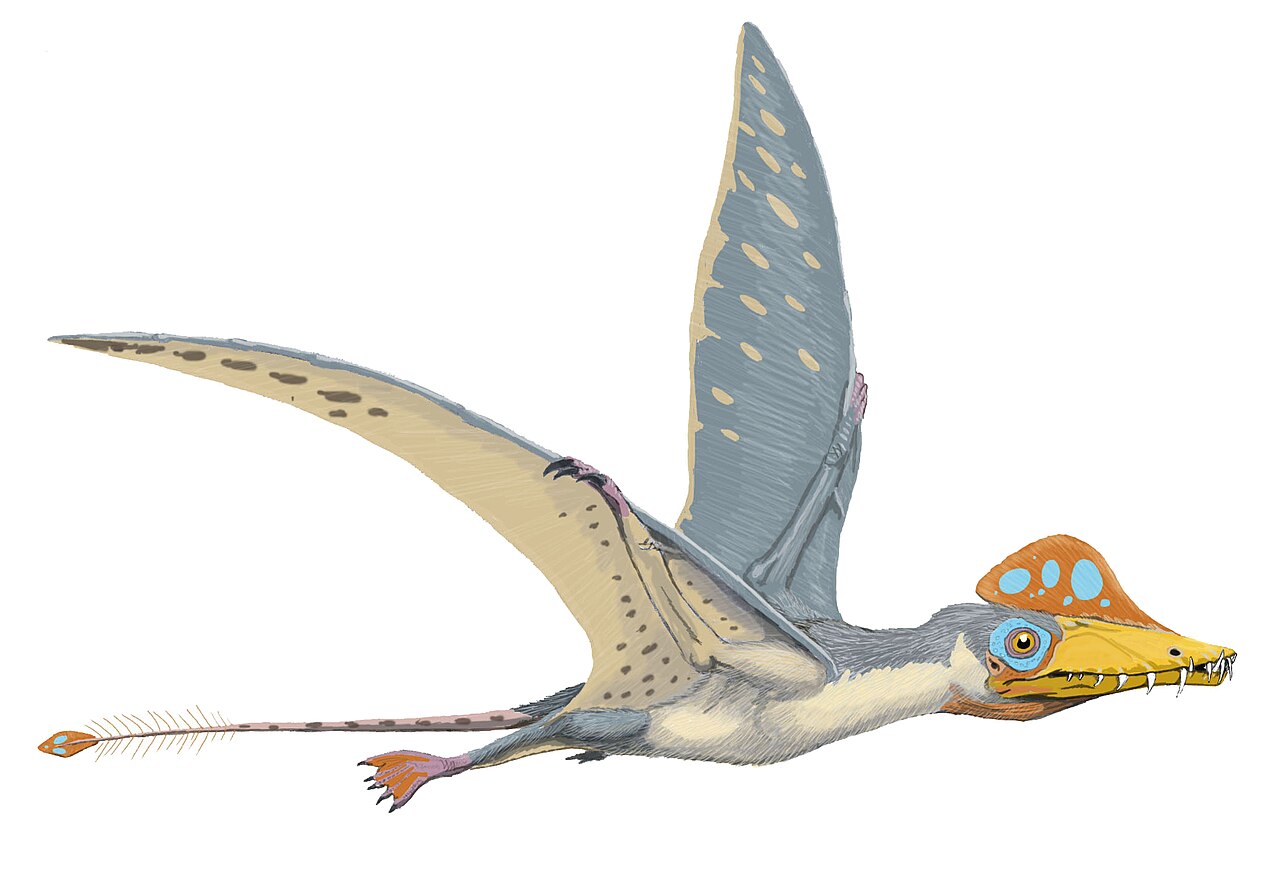


Physical characteristics
Scaphognathus was relatively small, with an estimated wingspan of roughly one metre. Its skeleton shows the typical pterosaur adaptations for flight: elongated forelimbs bearing a wing membrane, hollow bones, and a light skull and body. The tail was long and terminated in an expanded, diamond- or leaf-shaped vane that would have affected aerodynamics and is often illustrated in reconstructions (leaf-shaped tail vane).
Skull, teeth and diet
The skull of Scaphognathus is proportionally shorter and more robust than in some contemporaries. Teeth are present and relatively stout, suggesting a diet that could include insects, small vertebrates or fish; interpretations vary and palaeontologists usually describe its feeding preferences cautiously. Comparisons with other genera highlight differences in jaw shape and tooth arrangement—useful clues to ecology and behaviour (Rhamphorhynchus is a common point of comparison).
Flight, behaviour and senses
Flight anatomy indicates Scaphognathus was capable of powered flight and manoeuvring in the air. Its tail vane likely functioned as a stabilizer and rudder during turns. Some researchers infer it was mainly active by day, based on skull and eye-socket proportions and comparisons with other taxa, a contrast sometimes drawn with taxa interpreted as more nocturnal (diurnal).
Fossil record and scientific significance
Specimens of Scaphognathus are known from well-preserved slabs that preserve fine details of skeleton and soft tissues. These fossils contribute to understanding early pterosaur diversity, flight evolution and palaeoecology in lagoonal environments. Because it differs in skull form and tail structure from better-known relatives, Scaphognathus helps illustrate the range of body plans early pterosaurs experimented with.
Notable facts and distinctions
- Long, leaf-shaped tail vane likely improved aerial control.
- Shorter, more robust skull than some related long-tailed pterosaurs.
- Wingspan modest—around a metre—placing it among small to medium pterosaurs of its time.
- Important for comparisons within basal pterosaur groups and for interpreting habitat use in the Solnhofen ecosystem.
Together, these features make Scaphognathus a useful taxon for understanding the early evolution of flight and ecological diversity among Jurassic pterosaurs.
Related articles
Author
AlegsaOnline.com Scaphognathus: a Late Jurassic rhamphorhynchoid pterosaur Leandro Alegsa
URL: https://en.alegsaonline.com/art/87773