
Savannah cat
A hybrid breed created by crossing the African serval with domestic cats. Noted for long legs, spotted coats, high jumps and intelligence. Ownership, care, breeding and legal status vary internationally.
Overview
The Savannah cat is a managed hybrid breed developed by deliberately crossing the African serval with one or more domestic cat breeds. Breeders produced the line to preserve the wild-type appearance and athletic build of the serval while retaining a social, domestic temperament. Because the breed originates from a wild ancestor, practitioners track lineage by generation: F1, F2, F3 and so on, to indicate how many generations separate an individual from the serval ancestor. This system is discussed in breeder and registry literature on generational labeling.
Image gallery
10 Images



Appearance and size
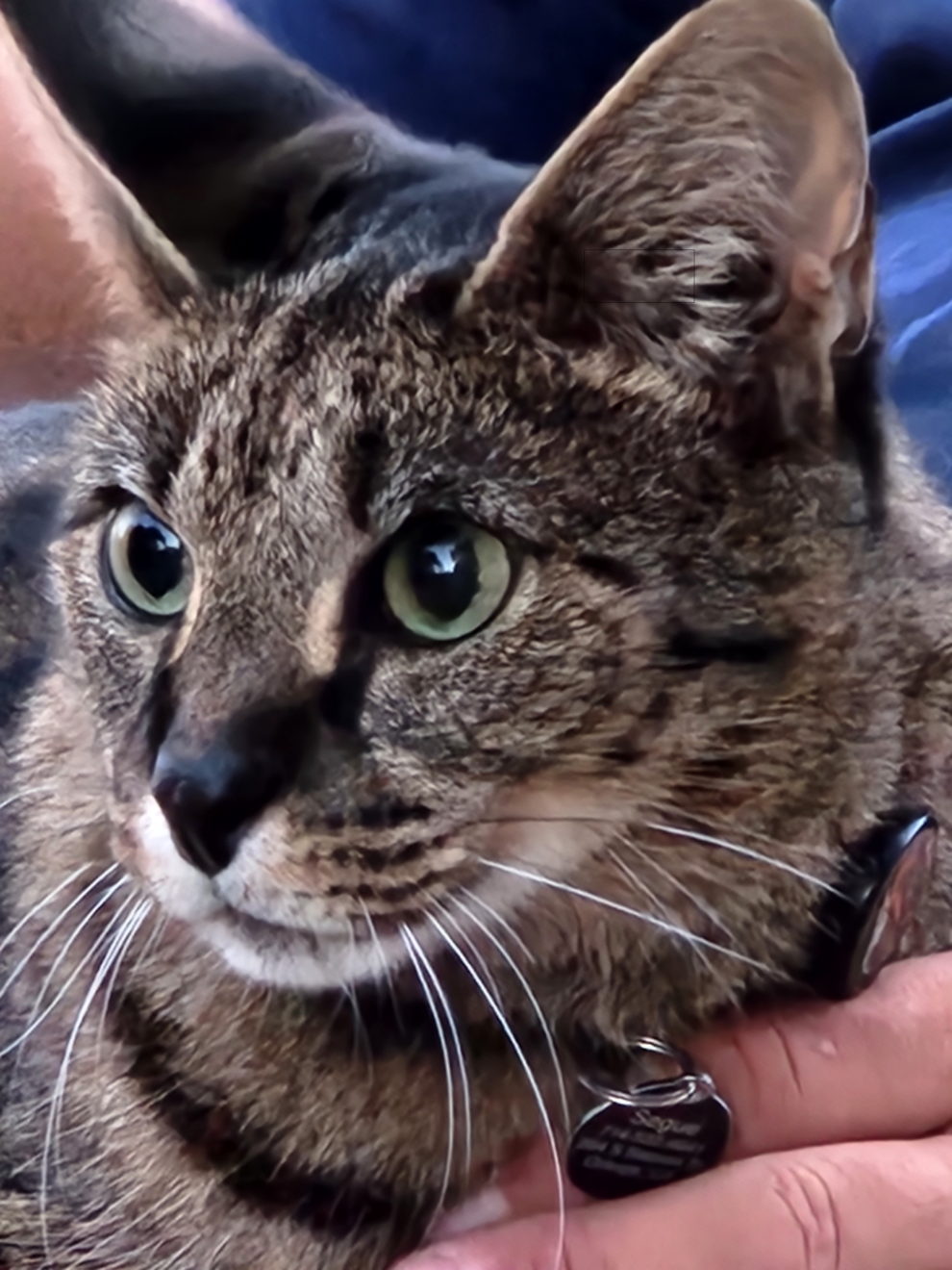
Savannahs are known for a tall, leggy conformation, a long neck and a relatively small head in proportion to the body. Their coat patterns are typically spotted or marked with rosettes and stripes that recall the serval’s camouflage. Earbacks sometimes show contrasting spots, a trait inherited from the serval that is conspicuous on many animals. Size varies by generation and parentage: early-generation hybrids tend to be larger and more serval-like, while later-generation animals are more similar in size to large domestic breeds. For general comparisons and measurements see resources on size comparisons.
Temperament and behavior
Savannah cats are widely described as intelligent, energetic and curious. Many enjoy interactive play, puzzle feeders and opportunities to climb. A notable behavioral trait for which they are often praised is an affinity for water, and many owners report that Savannahs will swim or play in water more readily than most domestic breeds. They can leap to great heights, are agile, and often learn routines quickly. Individual temperament varies considerably with generation, socialization, and the domestic breeds used in the cross.
Care, housing and enrichment
Because of their activity level and intelligence, Savannahs require environmental enrichment and daily interactive exercise. Vertical spaces such as cat trees and shelving, supervised outdoor access (for example, on a secure leash), and games that engage hunting instincts are recommended. Diet should match the animal’s size and activity level; many owners feed high-quality commercial diets formulated for active cats. Routine veterinary care, preventive medicine and familiarity with hybrid-specific issues are important; prospective owners should consult veterinarians who have experience with exotic or hybrid cats.
Breeding, genetics and classification
Breeding Savannahs involves combining serval ancestry with domestic breeds and then, in many programs, establishing subsequent Savannah-to-Savannah litters. An F1 individual has a serval parent and a domestic parent; each subsequent generation is removed another step from the wild progenitor. Breeders sometimes use planned outcrosses early in a program to introduce desired traits, then stabilize those traits with selective breeding. How registries classify and register each generation varies between organizations, and potential owners and breeders should review standards from recognized bodies when assessing animals.
Health and lifespan
Overall health for Savannahs is similar to that of many domestic cats, but care and screening can vary across bloodlines and outcross choices. Lifespan is typically comparable to other well-cared-for domestic cats. As with any breed, responsible breeders perform health checks and provide veterinary histories for kittens. Because of their hybrid origin, some early-generation animals may have specific reproductive or developmental considerations; buyers should ask breeders for medical documentation and guidance.
Legal status and public concerns
Savannah cats are regulated in some jurisdictions because they combine an imported wild ancestor with domestic animals. Concerns that motivate regulation include the potential for escape, predation on native wildlife and the practical challenges of keeping large, powerful hybrids. Legal restrictions vary by country, state and local authority. Examples of places that have restricted or prohibited ownership include Hawaii, Alabama and Australia, though rules differ and are subject to change. Prospective owners should check current local regulations before acquiring a Savannah.
Ethics and suitability
Savannahs can be rewarding companions for experienced owners who can provide time, space and enrichment. They are generally not recommended for people seeking a low-energy lap cat, or for households that cannot meet their needs for activity and secure containment. Ethical considerations include the welfare of the animals involved, the long-term consequences of hybrid breeding, and the potential ecological impact of escapes into regions with vulnerable wildlife.
Further reading and resources
Readers who want to learn more can consult breed organizations, veterinary resources and regional authorities. Useful starting points include information on general breed descriptions, the domestic cat background at domestic cat resources, and comparative size data noted at size comparisons. For context on the serval and its natural history see about the serval. For definitions of hybrid animals consult materials on hybrid definitions and on the meaning of generational labeling. Practical breeder techniques and considerations are discussed under outcross practices. Legal examples and restrictions are summarized by local authorities such as those in Hawaii, Alabama and international policies including Australia.
Breed overview • Domestic cat background • Size comparisons • Serval information • Hybrid definitions • Generational labeling • Outcrossing practices • Hawaii regulations • Regional rules • International prohibitions
Questions and answers
Q: What is a Savannah cat?
A: A Savannah cat is a breed of cat that is a hybrid feline developed by crossing a domestic cat with a serval for a number of generations.
Q: What does the body of a Savannah look like?
A: The bodies of Savannahs are long and leggy, with their hind-end often higher than their shoulders. They have small heads that are taller than wide, and they have long, slender necks. The backs of the ears also have vivid markings inherited from the serval cats.
Q: How high can serval cats jump?
A: Serval cats can jump over 9 feet high from a standing start. Savannahs also jump high, but how high depends on the individual. They sometimes jump on top of doors or onto shelves.
Q: Are there any health issues associated with Savannah cats?
A: There are very few health issues associated with Savannah cats.
Q: What kind of noise do they make?
A: Savannah cats make a hissing noise that sounds like a snake.
Q: Where are these cats not allowed to be kept as pets?
A: These cats are not allowed in Hawaii, Alabama, and some other U.S states as well as Australia due to concerns about their extra size and capability potentially putting native animals at risk.
Related articles
Author
AlegsaOnline.com Savannah cat Leandro Alegsa
URL: https://en.alegsaonline.com/art/87606
Sources
- s-i-m-b-a.org : "Petworld: Volume 6, Issue 6"
- animals.sandiegozoo.org : animals.sandiegozoo.org/animals/serval
- wn.com : wn.com/serval_cat_,_african_serval_cat_jump_,_cats