
Scale insect (superfamily Coccoidea)
Small sap-sucking insects in the superfamily Coccoidea. Many species are plant parasites with sessile females, varied reproductive strategies, and significant impacts on agriculture and horticulture.
Scale insects are a diverse group of small plant-feeding insects classified in the order Hemiptera and grouped in the superfamily Coccoidea. There are roughly 8,000 described species (estimates vary). Most scale insects are ectoparasites that feed by inserting specialized mouthparts into plant tissues and extracting sap; this habit affects both wild plants and many cultivated crops (plant pests).
Image gallery
10 Images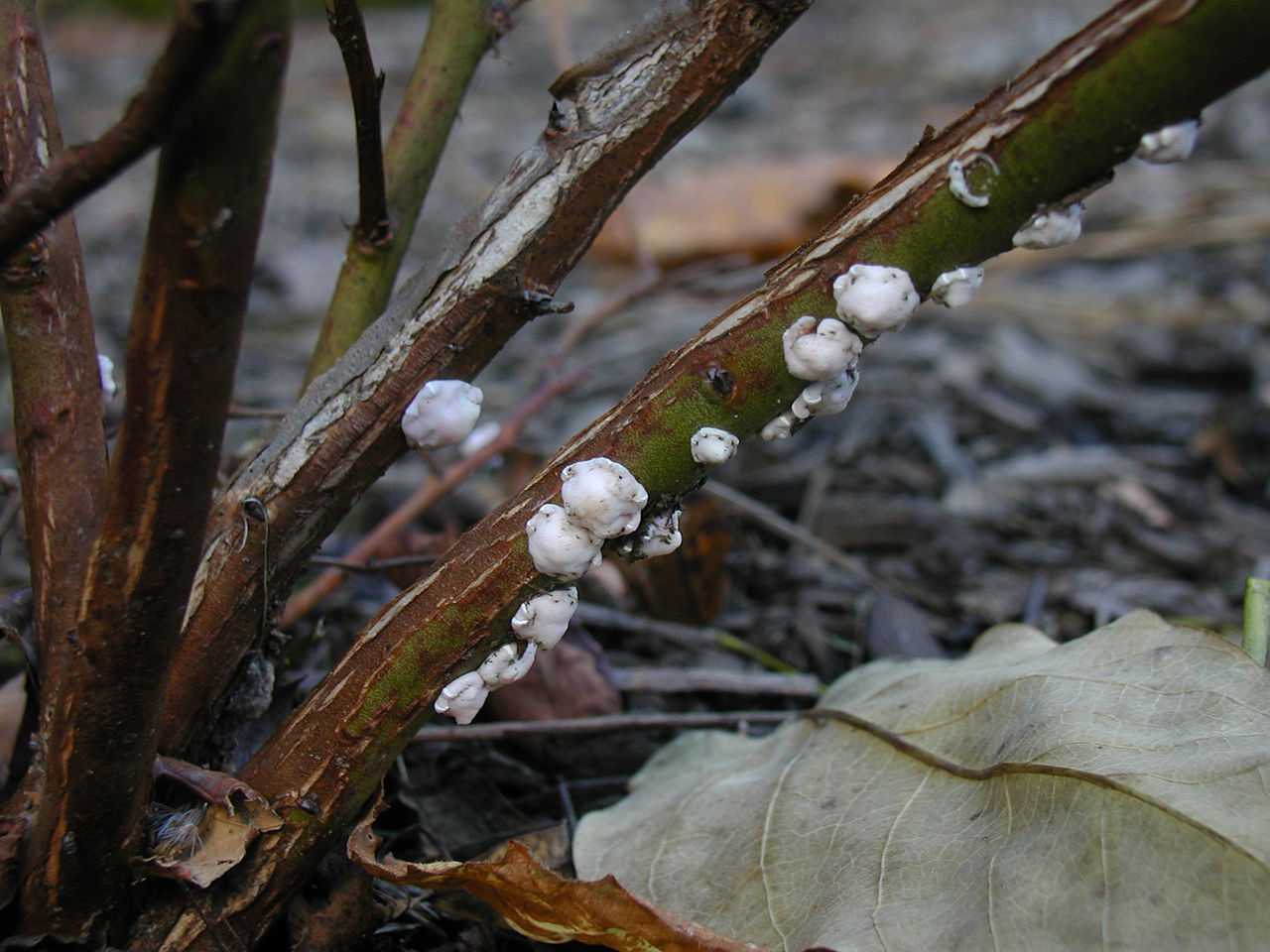







Appearance and distinguishing features
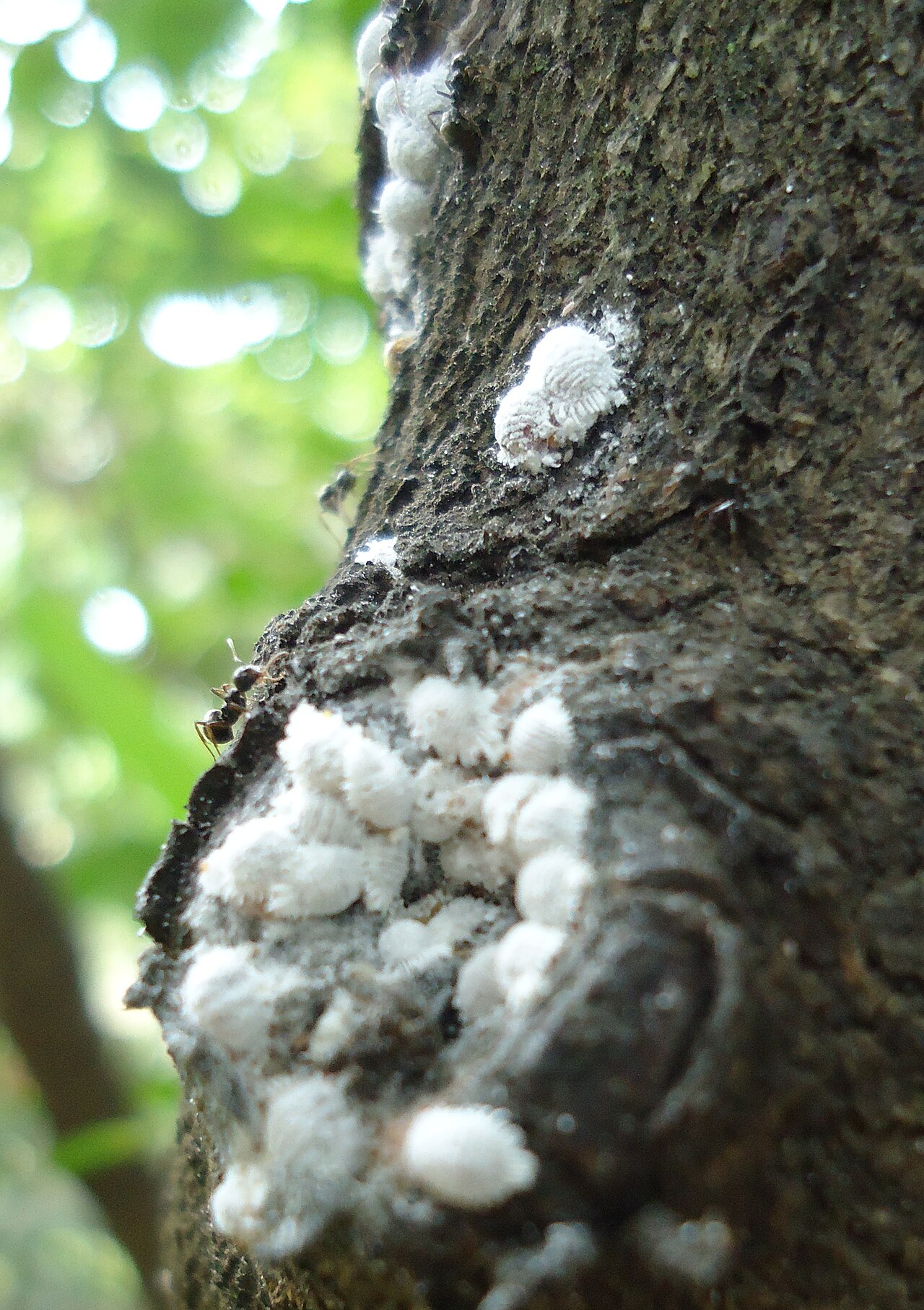
Scale insects show a range of sizes and forms, but they are often recognized by a few characteristic traits. Adult females commonly become sedentary and attach permanently to the host, secreting a protective, often waxy covering (protective secretion). This crust-like covering can resemble small fish scales, which is the origin of their common name (scale-like appearance). Males and females typically differ markedly in shape and lifestyle, a condition known as sexual dimorphism. Females often retain a juvenile form even after reaching sexual maturity, a phenomenon called neoteny, while males are frequently winged, short-lived, and do not feed as adults.
Life cycle and reproduction
The immature mobile stage of a scale insect is called a crawler; it is the primary dispersal stage. After settling, many individuals — usually females — lose the ability to move and remain fixed in place for life. Male crawlers develop into small, delicate winged insects whose main role is to find and mate with females. Reproductive systems in scale insects are unusually varied: some species show hermaphroditism (self-fertile or mixed systems), and several forms of parthenogenesis (asexual reproduction) occur. These modes contribute to their success in different environments and complicate management strategies.
Ecology, economic importance, and effects
As sap feeders, scale insects can weaken plants directly by reducing vigor and indirectly by transmitting plant pathogens or producing honeydew, a sugary excretion that encourages sooty mold growth and attracts other insects. Many species are important agricultural or horticultural pests, affecting fruit trees, ornamentals, and greenhouse crops. At the same time, some scale insects play ecological roles in native plant communities and are part of food webs supporting predators and parasitoids.
Management and notable facts
Control combines cultural practices, monitoring for crawlers, biological control using predators and parasitic wasps, and selective insecticides when necessary. Because females are often protected beneath waxy covers, timing treatments against the vulnerable crawler stage is critical. Notable features of the group include their wide range of reproductive strategies, the loss of mobility in many adult females, and the existence of thousands of species adapted to specific host plants. For more technical overviews and identification resources, consult entomology references and specialist databases Hemiptera resources and general species lists (species catalogues).
- Key terms: sessile female, crawler, wax secretion, neoteny, sexual dimorphism.
- Control tips: monitor, target crawlers, encourage natural enemies, rotate treatment methods.
- Further reading: specialist guides and agricultural extension materials plant pest information.
Questions and answers
Q: What are scale insects?
A: Scale insects are small bugs of the order Hemiptera and the superfamily Coccoidea.
Q: How many species of scale insects are there?
A: There are about 8,000 described species of scale insects.
Q: What do scale insects do to plants?
A: Scale insects are ectoparasites of plants. They sit on the outside of plants, stick their mouthparts inside, and suck up the plant sap.
Q: What is the waxy coating that scale insects secrete for?
A: Scale insects secrete a waxy coating for defence.
Q: Why do female scale insects keep their juvenile shape even when sexually mature?
A: Female scale insects keep their juvenile shape even when sexually mature because of a condition known as neoteny.
Q: Do adult male scale insects feed?
A: No, adult males usually have wings but never feed and die within a day or two.
Q: What do crawlers do?
A: The young of scale insects, known as crawlers, lose the use of their legs if they are female and stay put for life. Only the males keep their legs and use them in seeking females for mating.
Related articles
Author
AlegsaOnline.com Scale insect (superfamily Coccoidea) Leandro Alegsa
URL: https://en.alegsaonline.com/art/87745
Sources
- doi.org : 10.1086/660823
- pubmed.ncbi.nlm.nih.gov : 21750383