
Horn of Africa
Peninsula in northeastern Africa projecting into the Gulf of Aden and Somali Sea; a strategic, culturally diverse region including Somalia, Ethiopia, Eritrea and Djibouti with arid landscapes and rich history.
The Horn of Africa is the prominent eastern projection of the African continent. It is often called the Somali Peninsula or Northeast Africa and juts into the Indian Ocean region, sitting along the southern side of the Gulf of Aden. The term denotes both a distinct geographic feature and a larger cultural–political region at the crossroads of Africa and the Arabian Peninsula. The name evokes the horn-like shape of the landmass and its long maritime coastline adjoining the Somali Sea and the Guardafui Channel, a narrow passage at the tip of the peninsula; as a landform it is a recognized peninsula of East Africa.
Image gallery
10 Images




Geography and environment
The region includes several modern states and varied terrain: coastal plains and long beaches, arid and semi‑arid lowlands, and highland plateaus. Soils and rainfall vary sharply; parts of the interior are prone to drought while the highlands receive seasonal rains. Ecologically the Horn supports scrub and acacia savanna, with pockets of montane forest in higher elevations. Its long coastline and proximity to major shipping lanes make the area strategically important.
People, languages and states
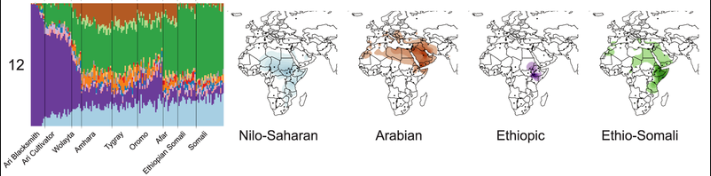
Politically the area is most commonly associated with Somalia, Ethiopia, Eritrea and Djibouti, though nearby parts of Kenya and Sudan connect by culture and trade. Major languages include Somali, Afar, Oromo, Amharic and Tigrinya; Islam and Christianity are the primary religions. Traditional livelihoods range from pastoralism and smallholder agriculture to fishing and urban trade.
History and significance
The Horn has deep historical roots: early kingdoms and trading polities linked the Red Sea and Indian Ocean worlds, exchanging goods, ideas and religion with Arabia and beyond. In the modern era colonial competition, independence movements and interstate dynamics shaped contemporary borders. Today the region remains important for international shipping, regional commerce and as a focal point of humanitarian and development concerns.
Contemporary issues and distinctions
- Strategic maritime routes near the Bab el‑Mandeb and the Gulf of Aden affect global trade and security.
- Recurring drought, food insecurity and displacement have prompted international relief efforts.
- Energy and natural resource exploration, urban growth and regional integration drive economic change.
- Notable waterways and local names: Guardafui Channel, Somali Sea and other coastal features link the Horn to maritime routes.
Related articles
Author
AlegsaOnline.com Horn of Africa Leandro Alegsa
URL: https://en.alegsaonline.com/art/45121