
Saint Helena
Remote volcanic island in the South Atlantic, part of the British Overseas Territory of Saint Helena, Ascension and Tristan da Cunha; noted for its history, unique ecology and Napoleonic exile.
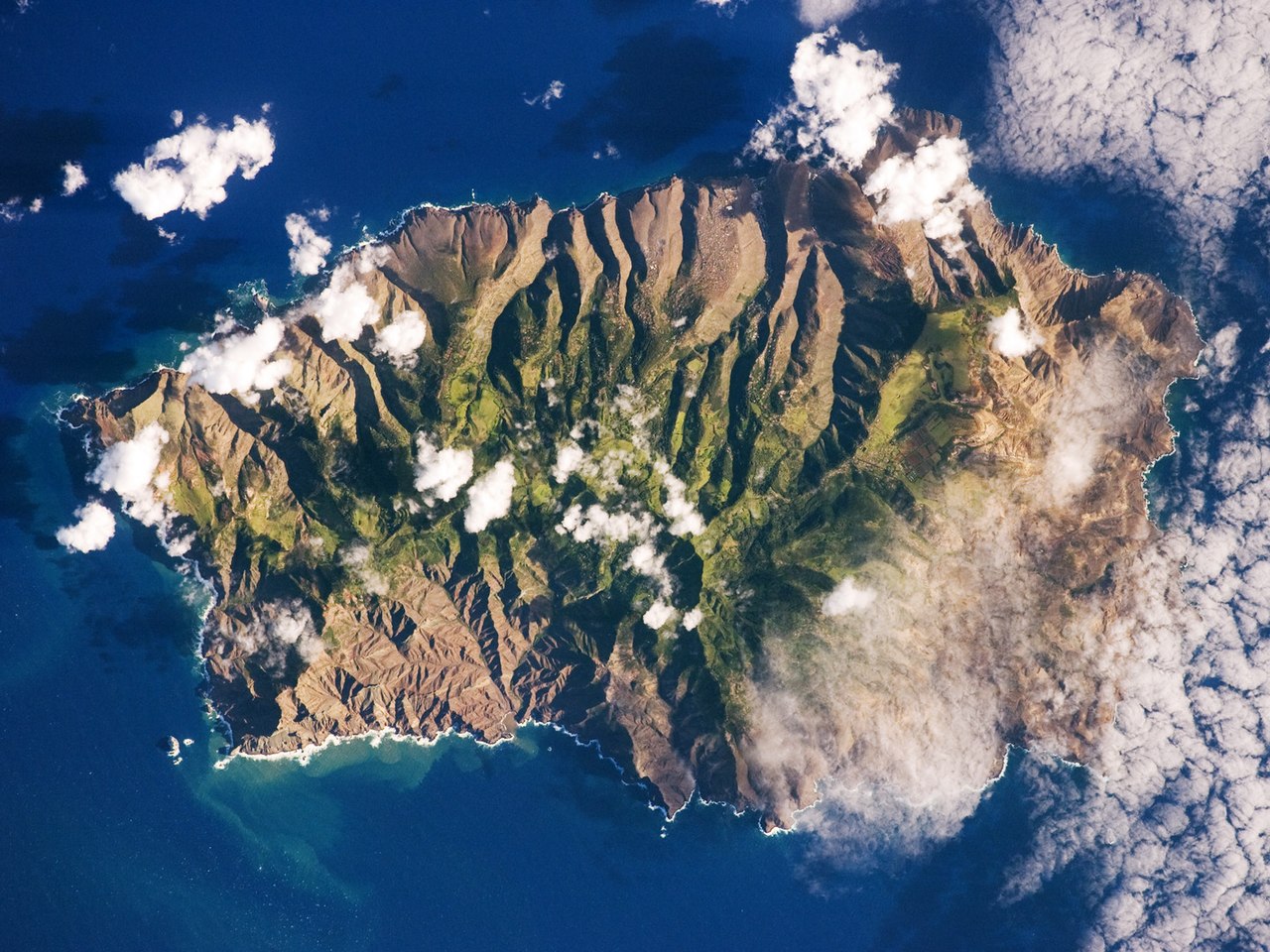
Saint Helena is a small, remote island of volcanic origin in the South Atlantic Ocean. It takes its name from Saint Helena of Constantinople and lies roughly midway between South America and Africa. The island forms the most populous part of the British Overseas Territory of Saint Helena, Ascension and Tristan da Cunha, which also includes Ascension Island and the islands of Tristan da Cunha. The island's location in the South Atlantic Ocean and its volcanic origins shape its steep cliffs, deep valleys and isolated highlands.
Image gallery
10 Images



Geography and environment
Saint Helena measures only a few dozen kilometres across — roughly 16 by 8 kilometres in general dimensions — and has a rugged, dissected landscape with a narrow coastal belt and a higher central ridge. The rock and soil reflect its volcanic origin, while the climate is moderated by the surrounding ocean, producing relatively mild temperatures year-round. Vegetation includes both introduced species and a number of plants and animals found nowhere else. Conservation of endemic wildlife and habitats is an important local priority.
History and notable events
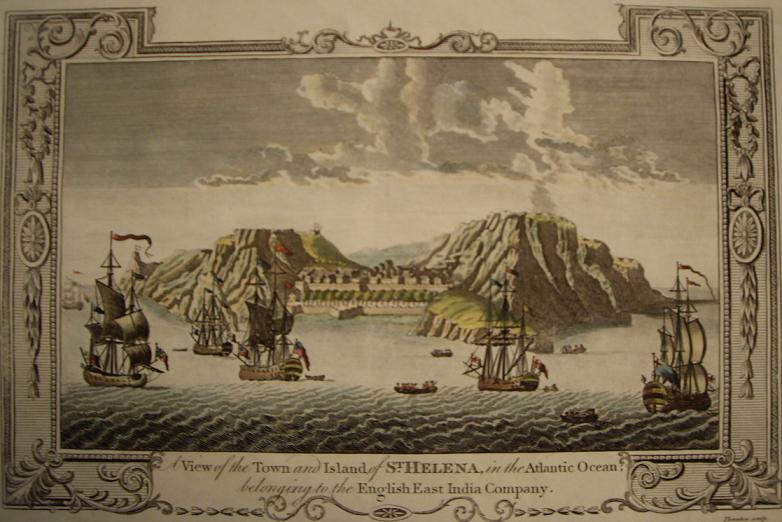
The island was first recorded by European navigators in the early 16th century and later served as a maritime stopping point for ships sailing to and from Europe, Africa and Asia. Saint Helena is most widely known for its role in the final exile of the French emperor Napoleon, who was sent there after his return from Elba and the defeat at the Battle of Waterloo. Napoleon lived on Saint Helena under British supervision until his death in 1821, and sites associated with his residence and captivity remain points of interest.
Administration, population and access
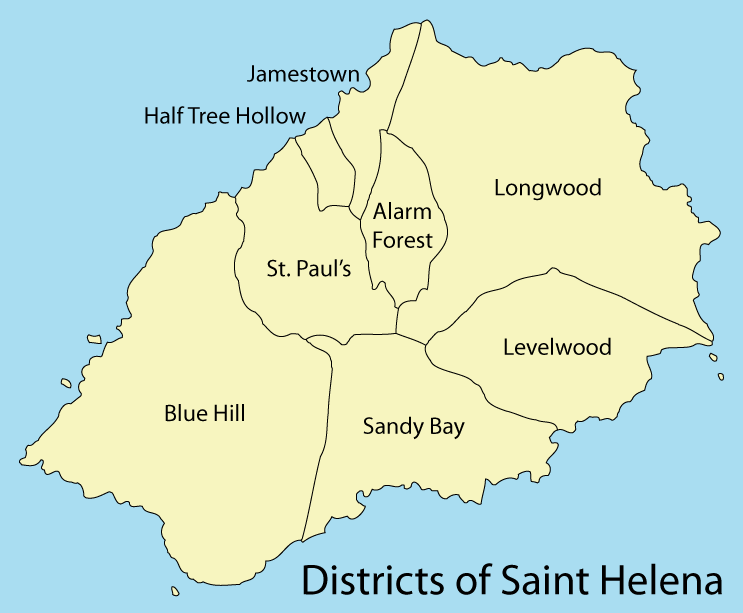
The island's capital is Jamestown, a small town set in a steep valley on the north coast. Saint Helena's population has numbered only a few thousand people; official counts in the early 21st century recorded roughly four thousand residents, many of whom work in public services, tourism, fishing and related sectors. Administratively it is governed as part of the wider overseas territory with local institutions for island affairs.
For much of its history the island was reached primarily by ship, but in the 21st century air access was established with a new airport that enabled regular, though limited, commercial flights. Sea links remain important for freight and larger passenger movements, and remoteness continues to shape daily life, costs and service provision.
Ecology, culture and conservation
Saint Helena supports several endemic species and distinctive habitats. Conservation efforts target the protection and restoration of native plants and birds, including the island's characteristic shorebird, and seek to manage invasive species and habitat loss. The cultural life of the island reflects a mix of African, European and later influences; local festivals, crafts and a maritime heritage are part of community identity.
- Territorial status: part of a British Overseas Territory (Saint Helena, Ascension and Tristan da Cunha).
- Historical note: exile and death of Napoleon in 1821.
- Conservation: site of endemic species and ongoing restoration projects; on a UNESCO tentative list for its natural and historic values.
- Connectivity: sea links and an airport established in the 2010s improved access.
Saint Helena's isolation has produced both challenges and unique opportunities: its landscapes and history make it a place of interest to historians, naturalists and visitors seeking remote destinations, while its small community continues to manage economic and environmental priorities in a changing world. Further reading and official information can be found through territorial and conservation resources (volcanic origin overview, regional context), local government portals and heritage organisations.
Questions and answers
Q: Where is Saint Helena located?
A: Saint Helena is an island of volcanic origin in the South Atlantic Ocean at 15°57′S 5°43′W / 15.950°S 5.717°W / -15.950; -5.717.
Q: Who named the island?
A: The island was named after Saint Helena of Constantinople.
Q: What other territories are part of the British Overseas Territory of Saint Helena, Ascension and Tristan da Cunha?
A: The British Overseas Territory of Saint Helena, Ascension and Tristan da Cunha also includes Ascension Island and the islands of Tristan da Cunha.
Q: How big is Saint Helena?
A: Saint Helena measures about 16 by 8 kilometres (10 by 5 mi).
Q: How many people live on the island?
A: There are 4,084 people living on the island (2008 census).
Q: Why was Napoleon sent to this island by the British and their allies?
A: Napoleon was sent to this island by the British and their allies as a result of Napoleon's return from Elba Island and loss at the Battle of Waterloo.
Q: When did Napoleon die there?
A:Napoleon died there in 1821.
Related articles
Author
AlegsaOnline.com Saint Helena Leandro Alegsa
URL: https://en.alegsaonline.com/art/85679
Sources
- cia.gov : "CIA World Factbook"
- unstats.un.org : "Santa Helena"
- legislation.gov.uk : "The St Helena, Ascension and Tristan da Cunha Constitution Order 2009"
- whc.unesco.org : ""Island of St Helena""
- doi.org : 10.1086/390001
- jstor.org : 435786
- shared.moonbeamsforall.com : shared.moonbeamsforall.com
- sthelena.se : "Historical Chronology"
- birdlife.org : "Country profile: St Helena (to UK)"
- herbaria.plants.ox.ac.uk : "St. Helena"
- sthelenatourism.com : "Bird Watching"
- sainthelenabank.com : "Bank of St. Helena - Home"