
Elba: Island of the Tuscan Archipelago
Elba is Italy’s third-largest island in the Tuscan Archipelago, known for its varied landscape, history (including Napoleon’s exile), wine, beaches, and protected natural areas.
Overview
Elba (Isola d'Elba) is the third-largest island of Italy, ranking after Sardinia and Sicily. Its land area is about 224 square kilometres and its coastline measures roughly 147 km. The island's population is close to 30,000 residents, concentrated in several coastal towns and a few hilltop villages. Elba has become well known for its scenic beaches, outdoor recreation and a growing reputation for local wine.
Image gallery
10 Images


Geography and natural environment
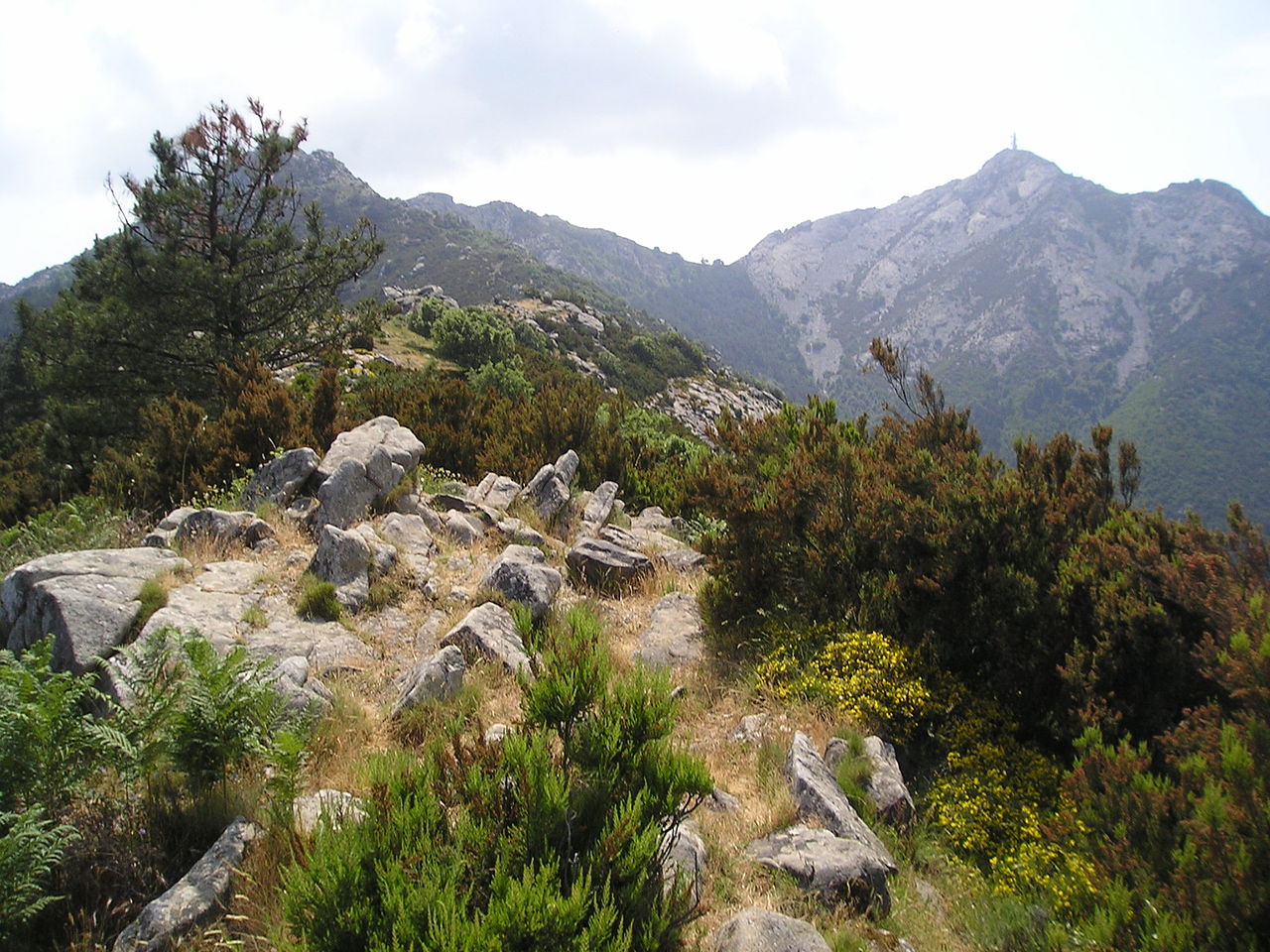
Elba's terrain is varied: rocky headlands, sandy bays, Mediterranean scrub and forested hills. The highest point is Monte Capanne, rising to about 1,018 metres, which affords panoramic views of the Tyrrhenian Sea and nearby islands. Elba lies about 50 km east of the French island of Corsica and forms part of the Tuscan Archipelago protected within the National Park of the Tuscan Archipelago. Nearby islands in the archipelago include:
History and cultural notes
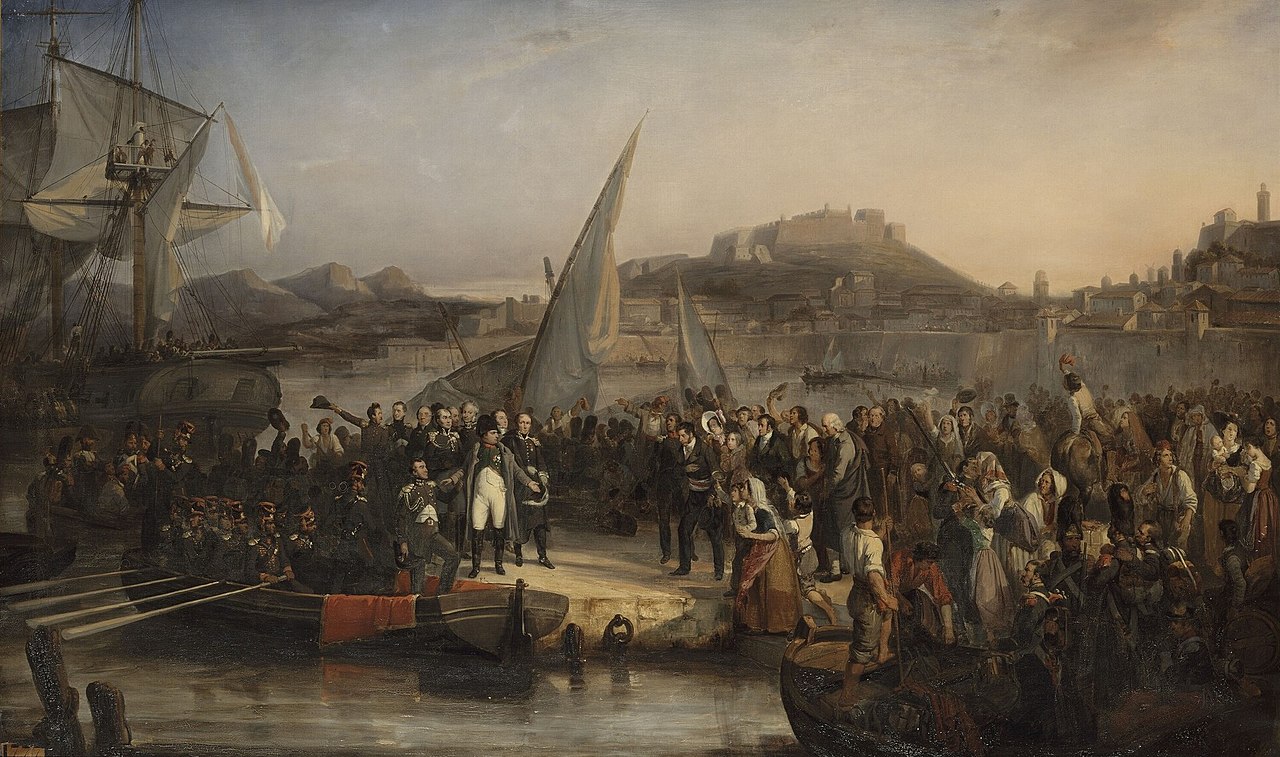
Human presence on Elba dates back to ancient times; the island was prized in antiquity for its iron resources and strategic position. Over centuries it has been influenced by Etruscans, Romans and later maritime republics and European powers. One of the island's most widely known episodes is the exile of Napoleon Bonaparte in 1814–1815, a short but historically significant chapter that left lasting traces in local museums and sites.
Economy, wine and tourism
Historically, mining—especially of iron—played a major role in Elba's economy. Mining declined in the 20th century and the island shifted toward tourism, agriculture and small-scale artisan production. Today tourism is a primary economic driver: visitors come for swimming, hiking, diving and cultural attractions. Elba's mild climate supports vineyards and olive groves; local wines have gained attention for their expression of the island's soils and maritime climate.
Administration and transport
The island is administratively divided into eight communes: Portoferraio, Campo nell'Elba, Capoliveri, Marciana, Marciana Marina, Porto Azzurro, Rio Marina and Rio nell'Elba. Regular ferry connections link Elba with mainland Tuscany and the island is accessible by regional roads and local ports. Conservation measures are in place to balance visitor use with nature protection due to the island's inclusion in the national park.
Notable features and practical information
Elba offers a combination of natural variety, historic sites and recreational opportunities. Its geology, coastal coves and Mediterranean vegetation make it a destination for outdoor enthusiasts and cultural visitors alike. Travelers often combine visits to Elba with nearby Tuscan destinations or boat trips around the archipelago to experience the islands' differing characters and protected marine environments. For more details on local history, conservation and visitor services see resources in Italy and regional guides (general island facts, European historical context).
Questions and answers
Q: What is Elba?
A: Elba is the third largest island in Italy after Sardinia and Sicily.
Q: What is the land area of Elba?
A: The land area of Elba is about 224 square kilometres (86 sq mi).
Q: What is the coastline length of Elba?
A: The coastline of Elba is about 147 km.
Q: What is the highest mountain in Elba?
A: The highest mountain in Elba is Monte Capanne which is 1018 metres (3340 feet) tall.
Q: What is the Tuscan Archipelago?
A: The Tuscan Archipelago is a group of islands that includes Elba, Gorgona, Capraia, Pianosa, Montecristo, Giglio and Giannutri.
Q: What is the National Park of the Tuscan Archipelago?
A: The National Park of the Tuscan Archipelago is a protected area that includes Elba and the other islands in the Tuscan Archipelago.
Q: How many communes is Elba divided into?
A: Elba is divided into eight communes which are Portoferraio, Campo nell'Elba, Capoliveri, Marciana, Marciana Marina, Porto Azzurro, Rio Marina and Rio nell'Elba.
Related articles
Author
AlegsaOnline.com Elba: Island of the Tuscan Archipelago Leandro Alegsa
URL: https://en.alegsaonline.com/art/30611