
Saint Lucia — island nation of the eastern Caribbean
Volcanic island country in the Lesser Antilles, Saint Lucia is known for the Pitons, Creole culture, English and Kwéyòl, tourism-led economy, and a history shaped by indigenous peoples and European colonial rivalry.
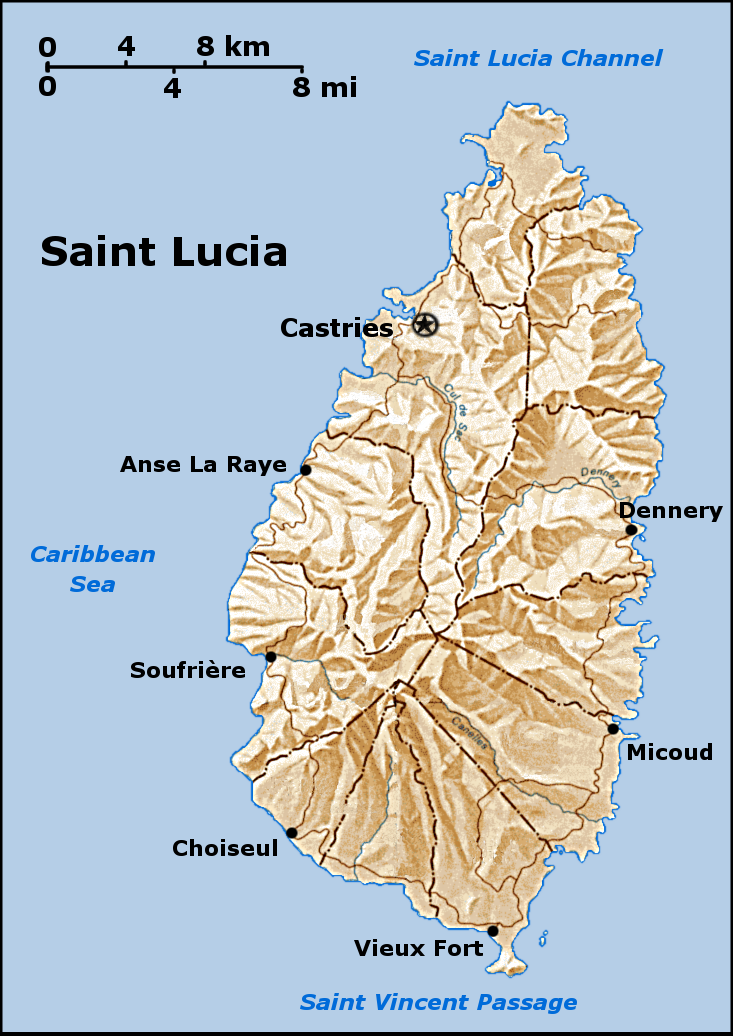
Saint Lucia is a volcanic island country in the eastern Caribbean Sea, part of the arc of the Lesser Antilles. It lies between Saint Vincent and the Grenadines to the south and Martinique to the north. The capital and principal port is Castries. The island’s relief is rugged, with steep slopes rising quickly from the coast, and its scenic volcanic peaks are a defining feature.
Image gallery
10 Images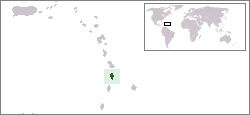






Geography and environment
The landscape is of volcanic origin, with narrow coastal plains, tropical rainforest, and coral-fringed bays. The most famous natural landmarks are the twin volcanic spires called the Pitons (Gros Piton and Petit Piton), which are widely recognised for their geological and scenic value and are listed in international heritage and conservation references (Pitons and environment). Rich marine life, fringing reefs and upland forests contribute to biodiversity, while soil fertility and rainfall patterns support small-scale agriculture.
History
The island’s earliest known inhabitants were indigenous peoples including members of the Kalinago (Carib) community. From the 17th century Saint Lucia became a focus of rivalry between French and British colonial powers, changing hands several times before Britain secured prolonged control. These layered colonial influences are still visible in place names, customs and the island’s legal and educational traditions. Saint Lucia achieved full independence within the Commonwealth in 1979; official information and state summaries provide current governance details (official overview).
People, language and culture
Population estimates have varied; a national census in 2010 recorded about 174,000 residents. The official language is English, used in government and schooling, while a French-lexicon Creole commonly called Kwéyòl remains widely spoken and is an important vehicle for oral traditions, song and popular culture; this reflects historical ties to French-language influence in the region. Christianity, especially Roman Catholicism, has a strong presence. Cultural life includes Carnival, traditional societies such as La Rose and La Marguerite, music genres drawing on African and European roots, and culinary traditions shaped by local produce and Creole recipes.
Government and economy
Saint Lucia is a sovereign state with a parliamentary system and a constitutional link to the Commonwealth. Its economy is diversified but tourism is a central sector, sustained by beaches, resorts, hiking and diving opportunities. Agriculture, notably bananas historically, still contributes to rural livelihoods even as services, small manufacturing and international financial services have grown. The country cooperates closely with regional organisations on trade, disaster response and development, including membership of bodies such as CARICOM and other Eastern Caribbean arrangements (regional cooperation).
Biodiversity, conservation and tourism
Protected areas and marine reserves help conserve endemic plants, birdlife and reef systems. Conservation efforts balance visitor access with habitat protection; responsible tourism initiatives promote reef stewardship, hiking management and cultural tourism. The natural setting, from rainforest trails to the dramatic Pitons, is a primary draw for international and regional visitors.
Notable people and contributions
Saint Lucia has produced figures of international distinction in literature and economics. Two natives have been awarded Nobel Prizes: Sir Arthur Lewis, recognised in economics, and the poet and playwright Derek Walcott, whose work brought wider attention to Caribbean literature and identity. Local artists, writers and scholars continue to shape cultural life across the region.
Regional links and resources
Because of its location and history, Saint Lucia maintains close ties with neighbouring islands and broader francophone and English-speaking networks. For regional context consult entries on the Lesser Antilles, neighbouring states such as Saint Vincent and the Grenadines, and nearby territories like Martinique. General background and travel or research introductions are available through overview resources (island guides) and thematic portals on sea routes, environment and culture (Caribbean Sea, state overview, heritage listings). Language and cultural links to French-derived Creole are part of everyday life and cross-island exchange.
- Location: Eastern Caribbean, Lesser Antilles (regional context).
- Capital: Castries; terrain dominated by volcanic peaks and narrow coastal plains.
- Languages: English (official) and widely spoken Kwéyòl reflecting historical French influence.
- Economy: tourism, services, agriculture with an emphasis on sustainable and community-based initiatives.
- International ties: active member of regional organisations and multilateral partnerships (CARICOM, regional groups).
These elements combine to make Saint Lucia a distinctive nation: its volcanic landscapes and protected natural sites, mixed cultural heritage and participation in Caribbean cooperation shape day-to-day life and national policy. Readers seeking current statistics, official travel advice or conservation status should consult government statements and recognised regional sources for the latest information (official sources, heritage and environment).
Questions and answers
Q: Where is Saint Lucia located?
A: Saint Lucia is a tropical island country in the eastern Caribbean Sea, north of the islands of Saint Vincent and the Grenadines and south of Martinique.
Q: How many people lived in Saint Lucia in 2010?
A: As of 2010, approximately 174,000 people lived in Saint Lucia.
Q: What is the official language of Saint Lucia?
A: English is the official language of Saint Lucia.
Q: What percentage of people in Saint Lucia speak Saint Lucian Creole French?
A: 95% of people in Saint Lucia speak Saint Lucian Creole French (Kwéyòl), which is a French-based Creole.
Q: What percentage of people in Saint Lucia are Roman Catholic?
A: About 70% of people in Saint Lucia are Roman Catholic.
Q: Who are two Nobel laureates from Saint Lucia?
A: Arthur Lewis, an economist, and Derek Walcott, a poet and playwright, are two Nobel laureates from Saint Lucia.
Q: What organizations is Saint Lucia a member of?
A: Saint Lucia is a full and participating member of the Caribbean Community (CARICOM), Organisation of Eastern Caribbean States (OECS), and La Francophonie.
Related articles
Author
AlegsaOnline.com Saint Lucia — island nation of the eastern Caribbean Leandro Alegsa
URL: https://en.alegsaonline.com/art/85846
Sources
- commons.wikimedia.org : Saint Lucia
- stlucia.org : "About St. Lucia"
- state.gov : "Background Note: Saint Lucia"
- imf.org : "Saint Lucia"
- windiescricket.com : "Charles eager to learn from Dessie Haynes"
- thecommonwealth.org : Commonwealth Secretariat - Member States