
Saint-Jean-de-Luz: Basque port town on the French Atlantic coast
Saint-Jean-de-Luz is a coastal commune in the French Basque Country, known for its historic harbour, sandy beach, Basque architecture and the 1660 royal wedding of Louis XIV.
Overview
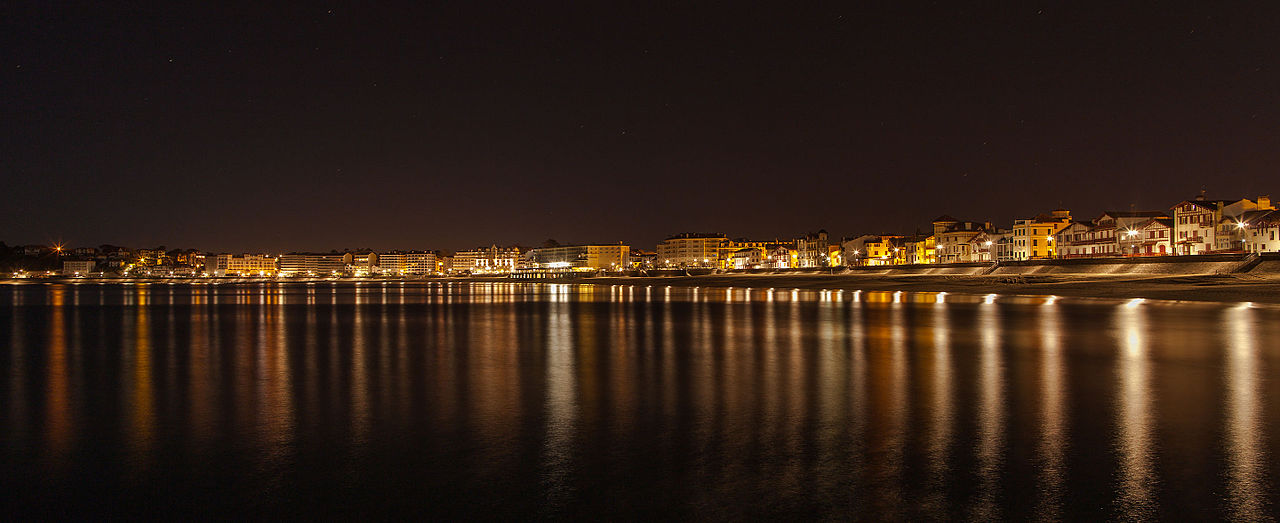
Saint-Jean-de-Luz is a coastal town and commune in the French department of Pyrénées-Atlantiques. It sits on the Bay of Biscay within the cultural area often called the Basque Country. Administratively it belongs to the same department, and it lies near other well-known coastal towns on France's southwest shore. The town combines a working harbour, a popular sandy beach and a compact historic centre.
Image gallery
10 Images




Characteristics and setting
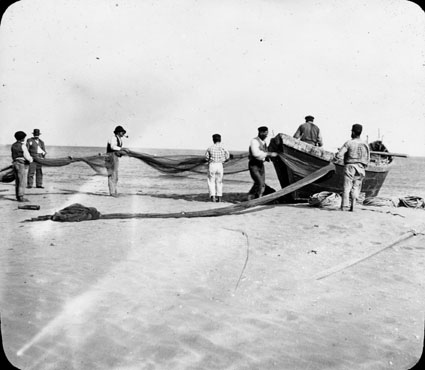
Saint-Jean-de-Luz has a sheltered harbour that historically supported fishing and small-scale maritime activity. Its shoreline includes a long public beach well suited to family swimming. Architecturally the town is noted for traditional Basque houses, typically timber-framed with painted shutters and lintels, and narrow streets that open onto squares and a waterfront promenade.
History and notable events
The town grew from a fishing and coastal-trade settlement and played roles in regional maritime history, including fishing fleets and coastal defence. One of the best-known historical moments is the marriage in 1660 of Louis XIV of France to Maria Theresa of Spain, celebrated at the local church of Saint-Jean-Baptiste. Several houses and small museums in town recall this and other local stories from the 17th and 18th centuries.
Attractions and cultural life
Visitors come for the harbour atmosphere, the beach and the preserved historic centre. Notable sites include the Church of Saint-Jean-Baptiste, the Maison de l'Infante and museums that interpret local maritime and Basque traditions. The town hosts seasonal markets, local gastronomy stalls and cultural events that highlight Basque music, dance and regional cuisine.
Economy and contemporary importance
Today Saint-Jean-de-Luz balances tourism with local fisheries and small commerce. Its proximity to larger resort towns and to the Spanish border makes it a convenient base for exploring the coast and nearby Basque communities. The town's combination of preserved heritage, seaside amenities and active local life explains its enduring regional appeal.
Quick facts
- Location: Atlantic coast, French Basque Country, Pyrénées-Atlantiques.
- Highlights: harbour, family beach, 17th-century church and historic houses.
- Cultural notes: strong Basque influence in architecture, festivals and food.
Related articles
Author
AlegsaOnline.com Saint-Jean-de-Luz: Basque port town on the French Atlantic coast Leandro Alegsa
URL: https://en.alegsaonline.com/art/85717