
Rubella (German measles): causes, symptoms, congenital risks, and prevention
Rubella is a generally mild viral infection that can cause serious birth defects if contracted during pregnancy; this article explains causes, spread, symptoms, diagnosis and prevention.
Overview
Rubella, commonly called German measles, is a contagious viral disease caused by the rubella virus. In many children the illness is mild or so subtle it passes unnoticed, yet the infection can have severe consequences when a pregnant person is exposed. The typical clinical picture includes a short-lived rash and other non-specific signs. Because presentations range from imperceptible to clear symptoms, clinical diagnosis may be difficult and laboratory testing is often needed to confirm cases and monitor outbreaks; see diagnosis.
Image gallery
6 Images



Symptoms and course
Rubella usually develops after an incubation period of about two to three weeks (incubation). Typical features are milder than those of measles and often include a pink or red rash, tender or enlarged lymph nodes, and sometimes fever (fever). The rash and other symptoms commonly last a few days up to about a week. Children generally recover faster than adults, who may experience joint pain or prolonged malaise.
Transmission and prevention
The virus is primarily spread through respiratory droplets when infected people breathe, cough or sneeze, similar to other pathogens that live in the respiratory tract (respiratory transmission). Rubella also poses a particular risk of vertical transmission from an infected pregnant person to the developing fetus (mother-to-fetus transmission). The virus can cross the placenta and infect the fetus (placental transmission), potentially causing long-term harm (fetus).
- Prevention is primarily by immunization with live-attenuated measles–mumps–rubella (MMR) vaccines, which have greatly reduced case numbers where widely used.
- Public health measures include screening pregnant people for immunity, rapid confirmation of suspected cases, and targeted vaccination campaigns during outbreaks.
Complications and congenital rubella
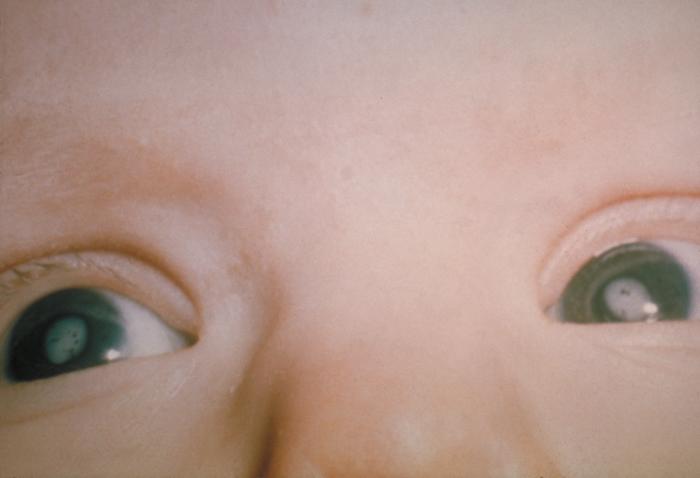
The principal public health concern is congenital rubella syndrome (CRS), which can result when infection occurs during early pregnancy. CRS may lead to permanent outcomes such as sensorineural deafness, cardiac malformations (heart), developmental delays and intellectual disability (intellectual disability), among other problems. The risk and severity of fetal damage are highest in the first trimester.
Diagnosis, treatment, and public health importance
Diagnosis is commonly confirmed by serologic testing for rubella-specific IgM antibodies or by detecting viral RNA using molecular methods. There is no specific antiviral treatment for rubella; care is supportive and focuses on symptom relief and monitoring. Because of its severe impact on fetuses, rubella control is a priority for maternal and child health programs, and many countries aim for elimination through high vaccine coverage and surveillance.
History and notable facts
The disease acquired the name German measles because early detailed clinical descriptions were published by German physicians (history), and because the rash can resemble that of measles (comparison to measles). Modern understanding of rubella’s viral cause and congenital effects has guided vaccine development and public health strategies. For further reading and official guidance consult health authority resources and laboratory references (general), (virus), (diagnostics), (transmission), (prenatal), (fetal), (placenta), (cardiac), (neurodevelopment), (incubation), (fever), (measles), and (historic accounts).
Related articles
Author
AlegsaOnline.com Rubella (German measles): causes, symptoms, congenital risks, and prevention Leandro Alegsa
URL: https://en.alegsaonline.com/art/84557
Sources
- cdc.gov : "Chapter 15: Congenital Rubella Syndrome. In "Manual for Surveillance of Vaccine-Preventable Diseases""
- nytimes.com : "Rubella Has Been Eliminated From the Americas, Health Officials Say"