
Vertical transmission (mother-to-child transmission)
Transfer of infectious agents from a pregnant person to the fetus or newborn — modes, common pathogens, prevention, outcomes and historical context.
Vertical transmission, often called mother-to-child transmission (MTCT), describes the passage of infectious agents from a pregnant person to their offspring. This can occur before birth when organisms cross the placenta and infect the fetus, during pregnancy, at the time of childbirth as the baby traverses the birth canal, or afterwards through breast milk or close postnatal contact. When an infection is present at birth it is frequently termed a congenital infection.
Image gallery
3 Images
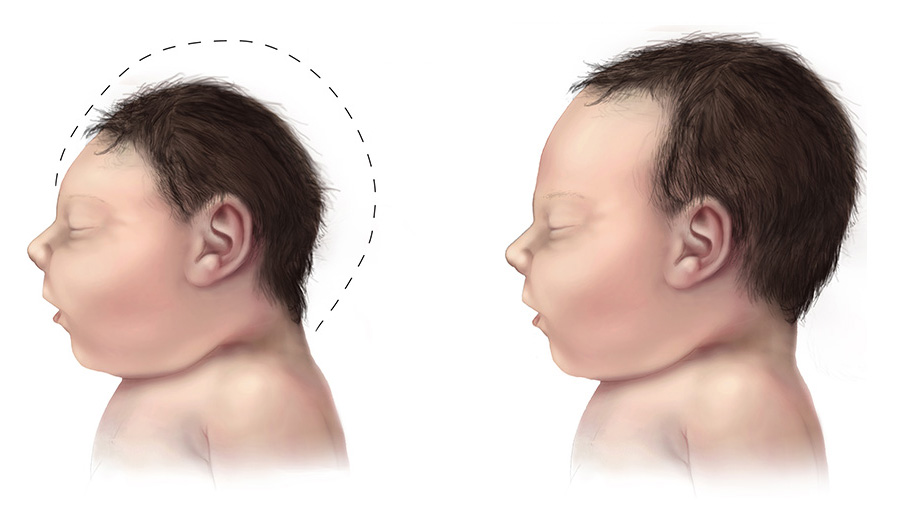

Characteristics and common pathogens
Vertically transmitted infections include those caused by viruses, bacteria, parasites and, less commonly, fungi. Well-known examples are human immunodeficiency virus (HIV), hepatitis B virus, rubella, cytomegalovirus (CMV), toxoplasma, syphilis, and group B streptococcus. Many of these agents establish infection in the pregnant person and then reach the developing baby by different biological routes. Some organisms produce birth defects or long-term developmental effects, while others primarily cause neonatal illness.
Modes and timing of transmission
Clinically, transmission is classified by timing: intrauterine (transplacental), intrapartum (during labor and delivery) and postpartum (after birth). Intrauterine infection can disrupt organ development; intrapartum exposure often leads to early neonatal infection; postpartum transfer may occur through breastfeeding or close care. The risk and consequences vary with the agent, the gestational age at exposure, and maternal immune status.
Prevention, diagnosis and management
Public-health measures and clinical interventions have substantially reduced many MTCT risks. Strategies include routine antenatal screening, maternal vaccination, antiviral or antibiotic treatment during pregnancy, elective cesarean delivery for selected infections, administration of immunoglobulin or prophylactic drugs to the newborn, and counselling about breastfeeding. Laboratory testing of maternal blood, amniotic fluid, or neonatal specimens supports diagnosis; imaging and specialist follow-up address congenital complications.
Historical and public health context
Recognition of mother-to-child transmission grew as specific congenital syndromes and neonatal infections were linked to maternal illness. Historic outbreaks, such as those causing congenital rubella, and the HIV epidemic highlighted the need for screening and effective prevention measures. Global programs target elimination of perinatal transmission for selected pathogens through vaccination, antenatal care and access to treatment.
Importance and distinctions
Not all maternal infections result in MTCT; transmission depends on pathogen type, maternal viral or bacterial load, timing in pregnancy, and interventions. Distinguishing congenital infection (present at birth) from neonatal infection acquired peripartum or postpartum is important for prognosis and treatment. For basic background on bacterial versus viral agents see bacteria and viruses. Further clinical guidance and public health recommendations can be found through authoritative resources and local health services (more).
Questions and answers
Q: What is vertical transmission?
A: Vertical transmission is the spread of an infection from a mother to her fetus during pregnancy or childbirth.
Q: What is another name for vertical transmission?
A: Another name for vertical transmission is mother-to-child transmission or MTCT.
Q: What is the cause of most vertically transmitted infections?
A: Most vertically transmitted infections are caused by bacteria or viruses.
Q: What is a congenital infection?
A: A congenital infection is an infection that a baby still has after he or she is born.
Q: Is a congenital infection always caused by vertically transmitted infections?
A: A congenital infection is usually caused by vertically transmitted infections.
Q: Can a baby inherit an infection from their mother if the infection is not caused by a bacteria or virus?
A: No, a baby cannot inherit an infection from their mother if the infection is not caused by a bacteria or virus.
Q: Can vertical transmission occur after a baby is born?
A: No, vertical transmission occurs only during pregnancy or childbirth.
Related articles
Author
AlegsaOnline.com Vertical transmission (mother-to-child transmission) Leandro Alegsa
URL: https://en.alegsaonline.com/art/104760
Sources
- who.int : WHO 2010 Revised Recommendations: Use of Antiretroviral Drugs for Treating Pregnant Women and Preventing HIV Infection in Infants (PMTCT ARV Guidelines)
- who.int : "Maternal and Congenital Syphilis: Pathophysiology and treatment of maternal syphilis"
- cdc.gov : "STDs during Pregnancy – CDC Fact Sheet"
- doi.org : 10.1053/j.semperi.2007.01.003
- pubmed.ncbi.nlm.nih.gov : 17317423
- doi.org : 10.1053/j.spid.2005.06.010
- pubmed.ncbi.nlm.nih.gov : 16210110
- ncbi.nlm.nih.gov : "Vertical hepatitis C virus transmission: Main questions and answers"
- doi.org : 10.4254/wjh.v6.i8.538
- ncbi.nlm.nih.gov : 4163737
- pubmed.ncbi.nlm.nih.gov : 25232447
- who.int : "Hepatitis B"
- pediatrics.aappublications.org : "Long-term outcomes of group B streptococcal meningitis"
- doi.org : 10.2471/BLT.12.111732
- worldcat.org : 0042-9686