
Scarlet fever (scarlatina): causes, symptoms, treatment and history
Scarlet fever is an infectious illness caused by toxin‑producing Streptococcus pyogenes. It mainly affects children, produces a characteristic rash and is treated with antibiotics; prevention relies on hygiene and prompt care.
Overview
Scarlet fever, also called scarlatina, is an acute infectious disease caused by certain strains of group A streptococci. It most commonly affects children but can occur at any age. The illness is notable for a fever, sore throat and a diffuse red rash that feels like sandpaper. Transmission occurs through respiratory droplets and close contact; for more on how it spreads see transmission.
Image gallery
10 Images



Cause and biological mechanism
The responsible organism is Streptococcus pyogenes, a bacterium capable of producing pyrogenic (erythrogenic) exotoxins. These exotoxins act as superantigens that provoke an intense immune response, leading to the characteristic rash and systemic symptoms. For basic information about the bacterium itself see the bacterium and for toxin action see exotoxin details.
Typical symptoms and diagnosis
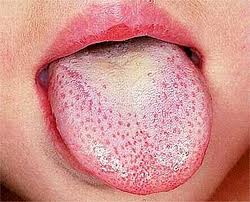
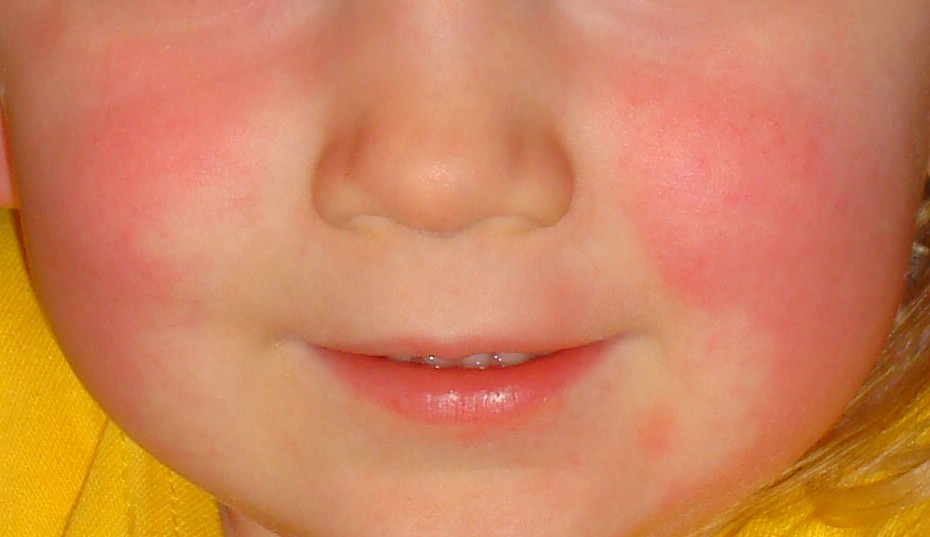
Common features include sudden fever, sore throat, headache, swollen glands, and a fine, widespread rash that blanches on pressure. The tongue may appear red and bumpy ("strawberry tongue") and the rash often peels during recovery. Diagnosis relies on clinical assessment supported by throat culture or rapid antigen testing; see clinical and epidemiologic guidance at epidemiology and testing.
Treatment, complications and prevention
Scarlet fever is treated with appropriate antibiotics, which reduce symptom duration and lower the risk of complications. Untreated infections can occasionally lead to complications such as rheumatic fever or post‑streptococcal glomerulonephritis. Preventive measures are straightforward: early diagnosis, prompt antibiotic therapy, good respiratory hygiene and exclusion from group settings until noninfectious.
History and significance
Historically, scarlet fever was a major cause of childhood mortality in the 18th and 19th centuries. With improved living conditions, better hygiene and the advent of antibiotics in the 20th century, deaths from the disease fell dramatically. Although now usually manageable, local outbreaks still occur and public health awareness remains important.
Notable distinctions
- Scarlatina is often used synonymously with scarlet fever, sometimes implying a milder form.
- Diagnosis should distinguish scarlet fever from viral exanthems and other causes of febrile rash.
- Antibiotic treatment both relieves symptoms and prevents spread, making early medical attention valuable.
For further reading and clinical resources consult the links above and local public health guidance.
Related articles
Author
AlegsaOnline.com Scarlet fever (scarlatina): causes, symptoms, treatment and history Leandro Alegsa
URL: https://en.alegsaonline.com/art/87794