
Respiratory tract
The respiratory tract comprises the airways and tissues that move air to the lungs and enable gas exchange, protecting and conditioning inhaled air and supporting vocalization and immunity.
Overview
The respiratory tract is the series of organs and passages through which air travels to reach the lung surfaces where gas exchange occurs. In humans, it serves breathing, protects against particles and pathogens, conditions inspired air, and participates in speech.
Image gallery
9 Images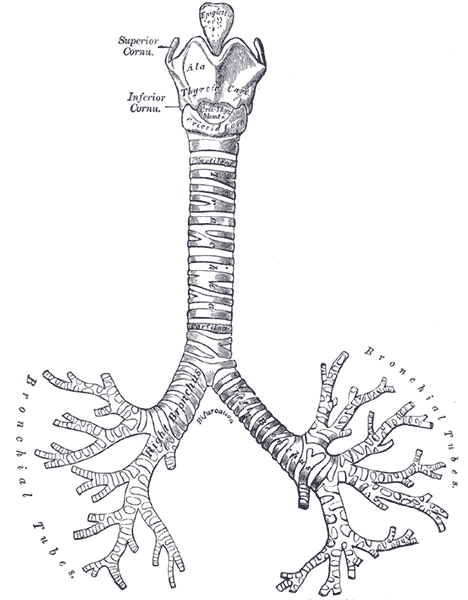




Main parts and characteristics
Conventionally divided into upper and lower regions, the tract includes structures that filter, warm and humidify air before it reaches the delicate exchange surfaces. Key components are:
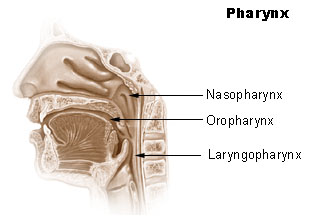
- Upper tract: nose, nasal cavities, sinuses, pharynx and larynx.
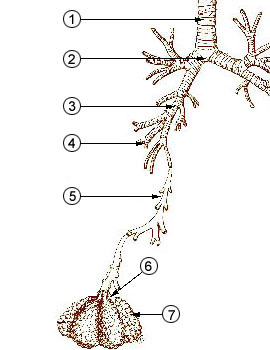
- Lower tract: trachea, bronchi, bronchioles and alveoli in the lungs.
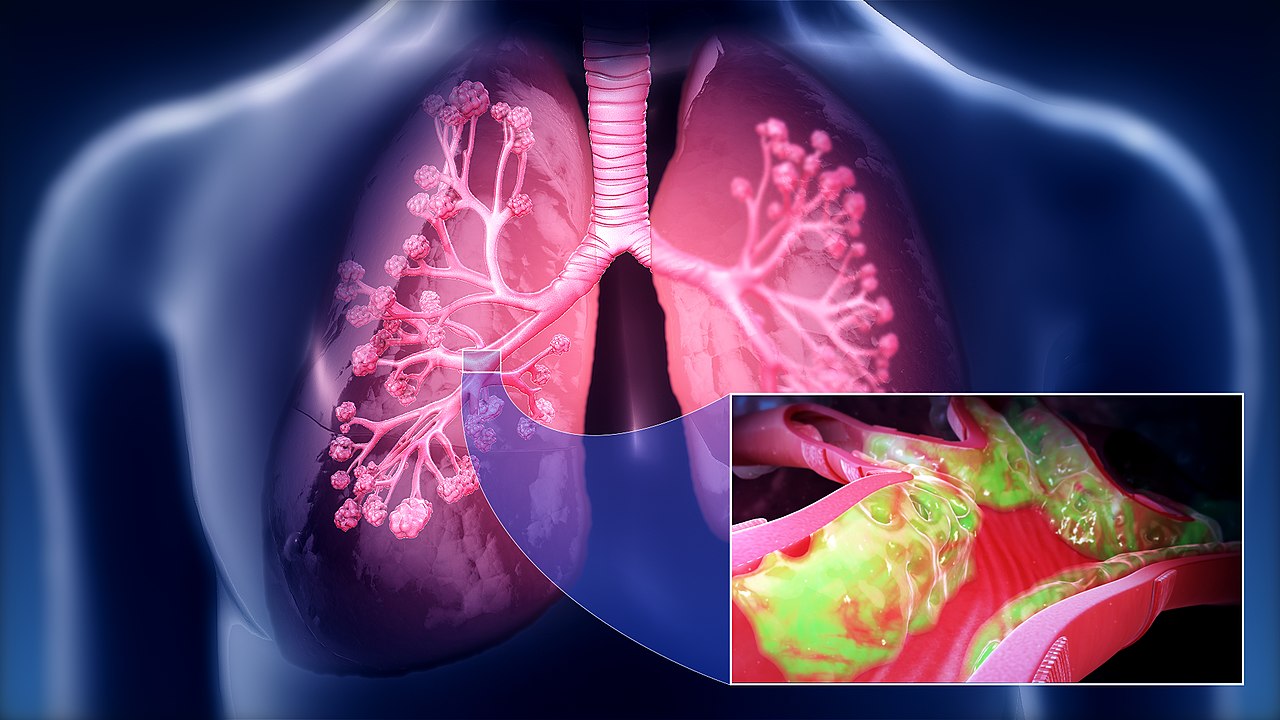
Specialized cells and features—mucus, cilia and branching airways—help remove particles and move them away from the lungs.
Function and physiology
The primary role is to bring oxygen into contact with the blood and expel carbon dioxide. The airways also regulate airflow, support vocal cords for sound production, and host immune defenses. Respiration refers to this overall process, from airflow to cellular gas use; see respiration for related concepts.
History, development and clinical importance
Anatomical understanding of the respiratory tract evolved with microscopy and dissection. Clinically, it is central to many conditions: infections (common colds, bronchitis, pneumonia), chronic diseases (asthma, chronic obstructive pulmonary disease), and injuries. Protective mechanisms can fail, leading to disease or impaired gas exchange.
Notable facts and distinctions
The lungs present an extensive internal surface area to maximize gas transfer. Differences among species reflect varied breathing strategies. Maintaining airway health—avoiding pollutants, managing infections, and addressing chronic conditions—is vital for overall physiology.
Related articles
Author
AlegsaOnline.com Respiratory tract Leandro Alegsa
URL: https://en.alegsaonline.com/art/82313
Sources
- books.google.com : The respiratory system at a glance
- books.google.com : Pediatric hospital medicine: textbook of inpatient management
- kean.edu : Respiratory System
- dartmouth.edu : "Chapter 53: The pharynx and larynx"
- lung.org : "How Lungs Work"
- reference.medscape.com : "Bronchial Anatomy"