
Measles (rubeola): symptoms, transmission, prevention and history
Measles (rubeola) is a highly contagious viral illness marked by fever, cough, conjunctivitis and a characteristic rash. Vaccination prevents most cases; treatment is supportive and public-health responses limit outbreaks.
Overview: Measles, also called rubeola, is a common and highly contagious infectious disease caused by the measles virus. It spreads from person to person and produces a characteristic constellation of symptoms that can be serious, especially in young children and people with weakened immune systems. While most people recover, measles remains an important cause of preventable illness and death in areas with limited vaccine coverage.
Image gallery
10 Images




Cause and characteristics
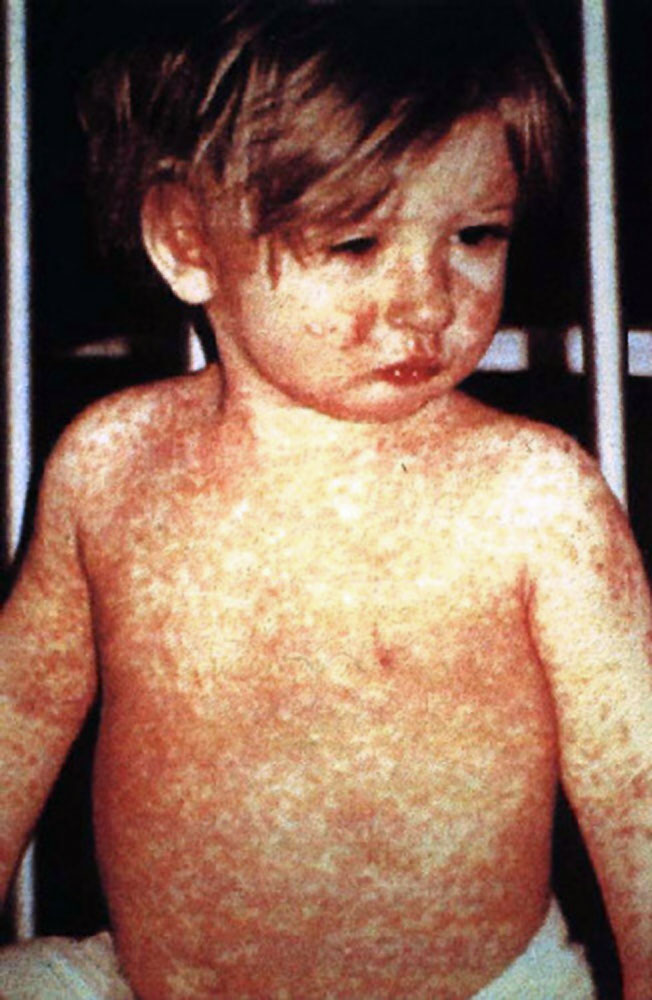
The responsible agent is a single-stranded RNA virus in the genus Morbillivirus; it is often referred to simply as the measles virus. The infection typically begins with a prodrome of high fever, malaise and respiratory signs. A distinctive red, blotchy rash usually develops a few days after initial symptoms. Small white spots inside the mouth, known as Koplik spots, are a classic early sign. The rash tends to start on the face and spread downward to the trunk and limbs.
Transmission and incubation
Measles is transmitted chiefly through respiratory secretions; infectious particles are expelled when infected people breathe, cough or sneeze. The virus is so contagious that it can linger in the air and on surfaces for a few hours, making close and casual contact risky. The incubation period between exposure and symptom onset is generally about one to two weeks.
Typical symptoms and possible complications
Early symptoms often mimic a common viral illness: sore throat, cough, runny nose and red, watering eyes followed by fever and the rash. Complications can include ear infections, pneumonia, and inflammation of the brain (encephalitis). A rare but serious late complication, subacute sclerosing panencephalitis (SSPE), can occur years after infection. Vitamin A deficiency increases the risk of severe disease in children.
Prevention, vaccination and treatment
There is no specific antiviral routinely used for uncomplicated measles; management focuses on supportive care, hydration, fever control and treating complications. The World Health Organization and other health authorities recommend giving vitamin A to children with measles in many settings because it reduces the risk of severe outcomes. The most effective prevention is immunization: routine vaccination programs that include the combined MMR vaccine (measles, mumps, rubella) have dramatically reduced cases. Vaccines are given as injections and are usually delivered in two doses in childhood to achieve long-lasting protection; high coverage is needed to prevent outbreaks in a community.
History, public health and distinctions
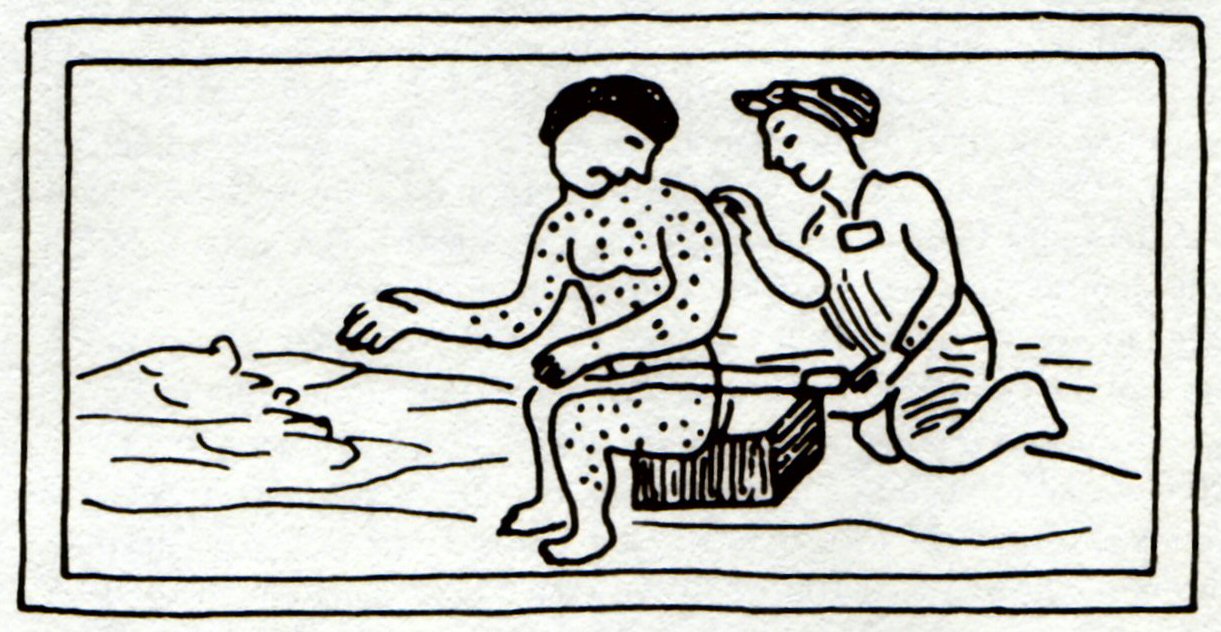
Measles has been recognized for centuries and caused major epidemics before vaccination became widespread in the mid-20th century. Introduced immunity programs sharply decreased deaths and hospitalizations in many regions. However, gaps in vaccine coverage can lead to resurgences and local epidemics; the disease has had particularly devastating effects when introduced into populations with no prior exposure, such as some Polynesian communities historically. Measles (rubeola) should not be confused with rubella (German measles), which is caused by a different virus and has distinct risks, especially to developing fetuses.
Practical points
- Recognize early signs (fever, cough, conjunctivitis) and the spreading rash.
- Confirm exposure and seek medical advice for vulnerable people, including infants and immunocompromised individuals.
- Supportive care and prompt public-health measures (isolation and contact tracing) limit spread.
- Maintain high vaccination coverage—the single most important prevention strategy; vaccines are typically given by injection and may be part of national schedules in developed countries and elsewhere.
For reliable, up-to-date guidance on measles and immunization schedules consult local public-health authorities or international health organizations: more on infectious disease control, respiratory infection advice and resources about vaccination and outbreak response are widely available.
Questions and answers
Q: What is measles?
A: Measles is an infectious disease caused by a virus that is passed on in tiny drops of water when people breathe.
Q: How do people catch measles?
A: People catch measles from other people who have the disease.
Q: What are the symptoms of measles?
A: People with measles have a sore throat, fever, cough, red eyes, runny nose, and a bumpy, red rash all over their body that causes a high irritation of itching.
Q: Is measles easy to catch?
A: Yes, measles is very infectious, which means it is easy to catch.
Q: What is the MMR vaccine used for?
A: The MMR vaccine is used to stop children from getting measles, mumps, and rubella. The three vaccinations are all in one injection.
Q: What is the difference between measles and rubella?
A: Measles and rubella are two different infectious diseases. Measles is caused by a virus and passed on in tiny drops of water when people breathe, while rubella, also known as German measles, was discovered by German scientists.
Q: Is there a specific cure for measles?
A: No, there is no specific cure for measles. People with measles may rest and take medicines to make them feel better, to stop pain, and make fevers go away. Most people that have measles recover, but some people die from it.
Related articles
Author
AlegsaOnline.com Measles (rubeola): symptoms, transmission, prevention and history Leandro Alegsa
URL: https://en.alegsaonline.com/art/63328
Sources
- bbc.co.uk : Health: Measles