
Restorationism (Christian primitivism): history, beliefs, and varieties
Restorationism is the impulse to recover religious practice or organization thought to reflect an original, early form. Most often refers to Christian movements but also applies in other faiths and political ideas.
Restorationism, often called Christian primitivism when used in a Christian context, describes movements that aim to return religious belief and practice to an earlier or original form. The core impulse is corrective: adherents believe that later developments, creeds, institutions or traditions have obscured or altered a purer, foundational model. While most commonly associated with Christian efforts to reproduce the practices and organization of the early Church, similar restorationist language appears in other religions and in political or national movements.
Image gallery
10 Images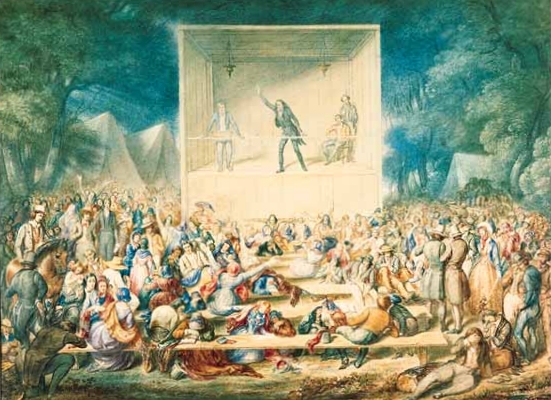




Characteristics and common aims
Restorationist groups usually emphasize a small set of shared goals: recovering early patterns of worship, simplifying doctrine, restoring perceived original church organization, and prioritizing scripture or early texts as the primary guide. This often means rejecting later ecclesiastical authority, creeds or liturgical accretions in favor of a returned authenticity. Practices vary: some communities recover ritual forms and sacramental structures, others focus on congregational polity, evangelism, or moral reform.
Historical development and notable precursors
The impulse to restore earlier forms recurs through history. In late medieval Europe, critics and reformers sometimes described their aims in restorationist terms. Movements active in the Middle Ages and around the time of the Protestant Reformation include groups such as the Lollards, the Waldensians and the Glasites, while the early 15th and 16th centuries saw related calls for renewal from figures associated with the Brethren of the Common Life and the Anabaptists. Later labels applied by historians include the Puritans and the Primitive Methodist movement, each of which sought a return to perceived simpler or original Christian patterns.
Modern Christian varieties
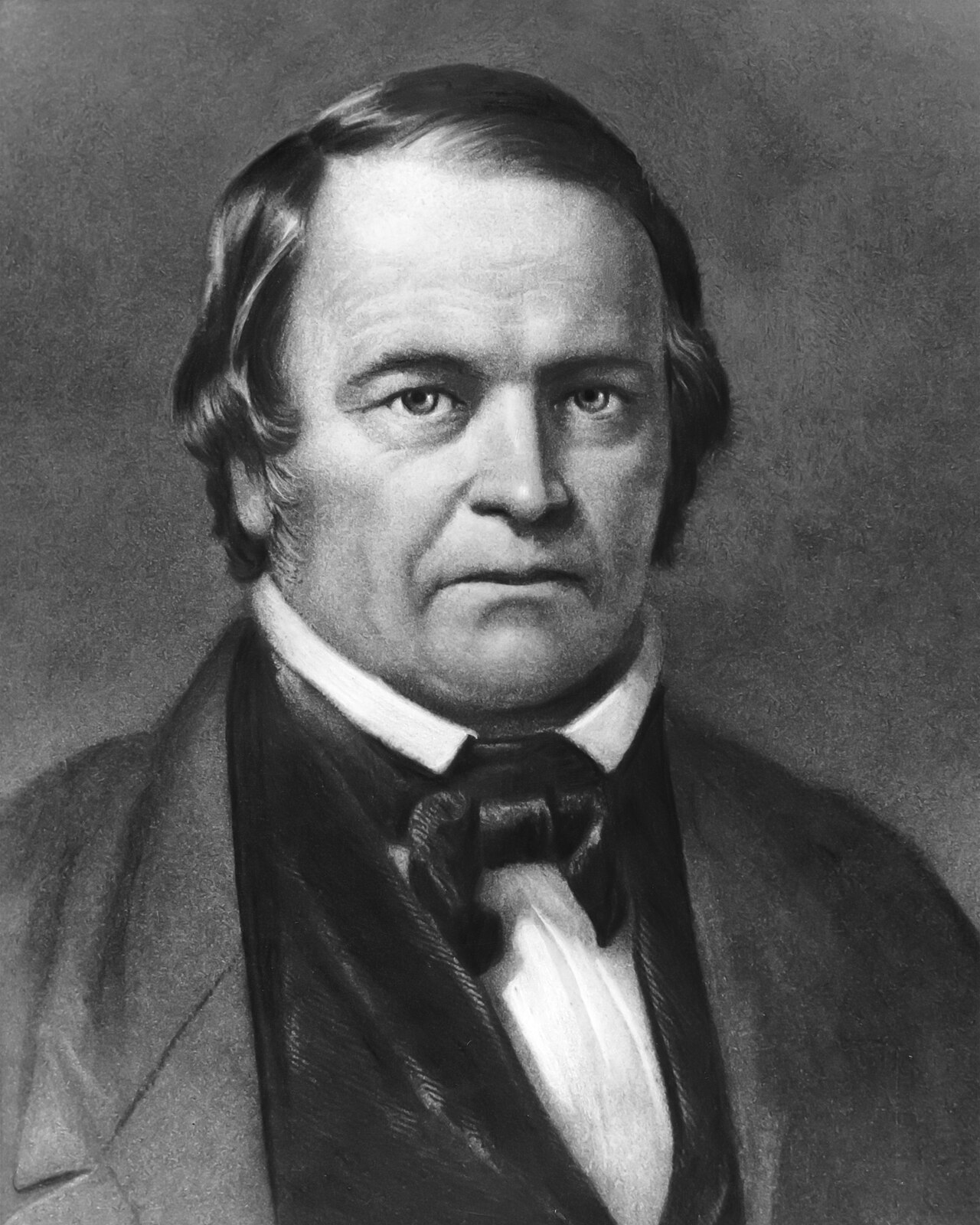
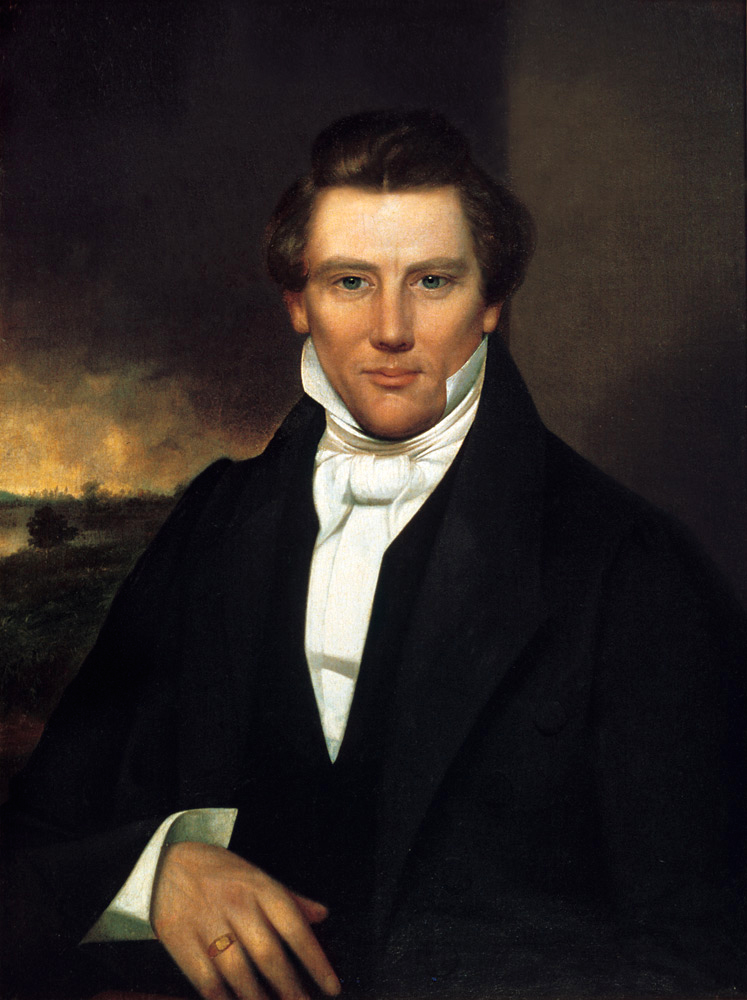
From the 18th century onward, distinct restorationist traditions developed. Some streams emphasize congregational autonomy and a biblical pattern of church life, as in the Churches of Christ and certain strands of the Baptist movement. The 19th-century Stone–Campbell or Restoration Movement in the United States explicitly sought to unify Christians by returning to New Testament models. Other modern expressions took different directions: the Latter-day Saint movement (commonly called Mormonism) claims a restoration of apostolic authority and new scripture, while many 20th-century Pentecostal and charismatic groups have been described as restorationist in their attempt to recover powers and experiences associated with the earliest Christian communities; examples include denominations like the Assemblies of God and movements such as the British New Church Movement.
Related uses and other faiths
Restorationist language is also used in political and interreligious contexts. In some Christian contexts the term describes advocacy for the return of Jewish people to the historic land of Israel, often labeled Christian Zionism. Comparable impulses appear in Islam: movements that call for a return to an earlier form of belief and practice—such as Muwahhidism and strands of Salafist thought—frame their program as purification or restoration. Other Islamic positions that emphasize the primacy of the Qur’an over later legal or scholarly traditions, for example Quranism, can also be described as restorationist in method if not in name.
Significance, distinctions and controversies
Restorationism is a broad category rather than a single doctrine; it includes groups with very different beliefs, ecclesial structures and social goals. The label highlights a common rhetoric—return, recovery, reform—rather than doctrinal unity. Because restorationist claims often challenge established authorities and traditions, they can be socially and theologically contentious. Scholars distinguish between conservative restoration (seeking to recreate early forms) and revisionist renewal (adapting early models to new contexts). Understanding any particular movement requires attention to its historical claims, methods of interpretation, and practical aims.
- See also: movements and groups discussed above for historical examples and modern expressions.
- Further reading and source materials may be found through specialized histories of the Reformation, denominational studies, and comparative religion surveys.
Related articles
Author
AlegsaOnline.com Restorationism (Christian primitivism): history, beliefs, and varieties Leandro Alegsa
URL: https://en.alegsaonline.com/art/82325