
Lollardy: a medieval English movement for religious reform
Lollardy was a late medieval English religious movement inspired by John Wycliffe that criticized clerical power, promoted vernacular scripture, and influenced later Protestant reforms.
Overview
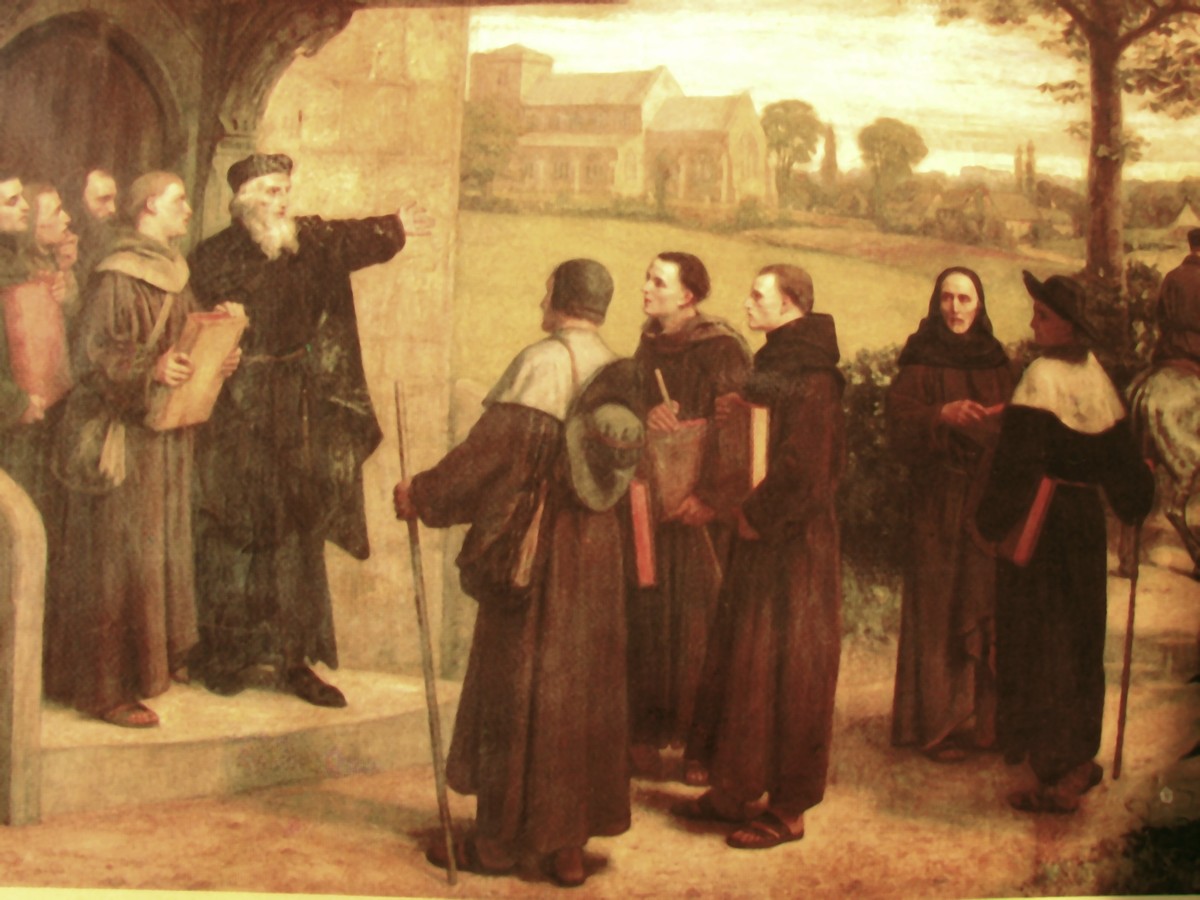
Lollardy was a religious and social movement that developed in England from the mid–14th century. It drew on the writings and ideas associated with John Wycliffe, an Oxford-based theologian. Lollards challenged aspects of the institutional Catholic Church and promoted wider access to scripture and preaching in English. Though rooted in the Middle Ages, Lollardy is often seen as a precursor to the later English Reformation, rather than a direct part of that sixteenth-century movement.
Image gallery
9 Images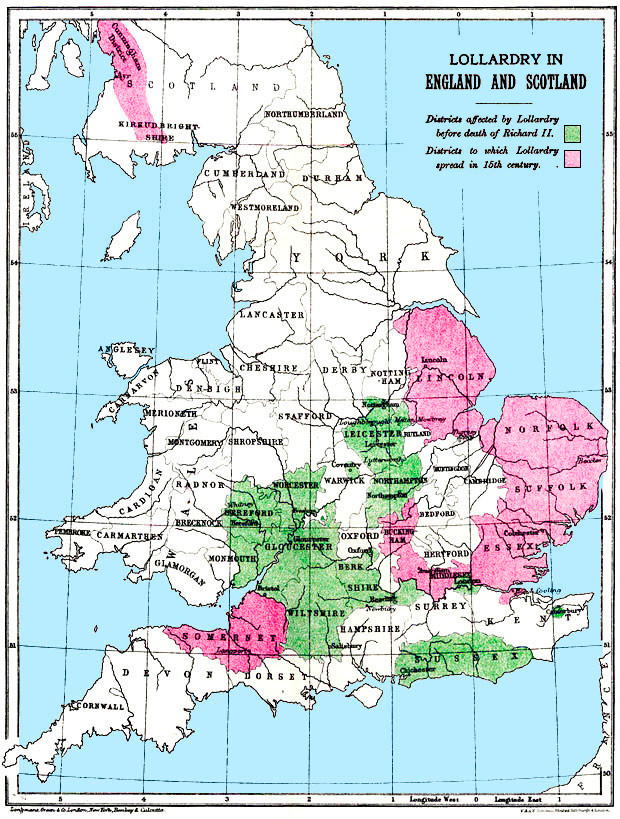





Beliefs and practices
Key convictions associated with Lollards included a stress on the Bible as the ultimate authority, objections to clerical wealth and corruption, and skepticism about certain sacramental doctrines such as the nature of the Eucharist. Many Lollards supported lay reading of scripture in English and licensed some forms of lay preaching. Their critiques varied from moderate reformist proposals to positions that church authorities regarded as heretical.
History and suppression
The movement grew in towns and among some gentry, often spreading ideas through translated texts and informal gatherings. Authorities reacted strongly: parliamentary acts and ecclesiastical courts prosecuted outspoken adherents. After incidents of unrest and continued proselytism, laws such as the statute of 1401 that authorized harsh penalties were used to suppress Lollard activity. Trials and executions for heresy became part of the church and royal response, and public persecution curtailed open Lollard organization.
Legacy and importance
Although Lollardy never became a dominant church, it influenced English religious life by normalizing vernacular scripture, criticizing clerical privilege, and keeping reform debates alive. Some survivors and clandestine groups persisted into the fifteenth century and left an intellectual and social memory that contributed to later reformers' arguments for change in England and beyond. Historians trace links between Lollard ideas and subsequent Protestant developments that sought to reform Western Christianity.
Notable features and distinctions
- Lollards were lay-led in many places rather than a formal order; their appeal crossed social classes.
- They emphasized scripture in the vernacular and criticized ecclesiastical wealth and papal power.
- The movement produced statements and petitions—most famously a set of propositions presented to authorities—that summarized its concerns and were used as evidence in prosecutions.
For further reading, see introductions to medieval English religious dissent and studies of Wycliffe and his followers. Many modern accounts situate Lollardy within broader currents of reform and popular piety in late medieval Europe.
Theologian | University of Oxford | Catholic Church | Eucharist | Middle Ages | English Reformation | John Wycliffe | Reform
Related articles
Author
AlegsaOnline.com Lollardy: a medieval English movement for religious reform Leandro Alegsa
URL: https://en.alegsaonline.com/art/58941