
Promised Land
The Promised Land is the territory promised by God to Abraham and his descendants in the Hebrew Bible; it has religious, historical and political meanings across Judaism, Christianity and Islam.
The Promised Land is a central concept in the Hebrew Bible and in the religious traditions that draw on it. In biblical narratives it is the territory promised by God to Abraham and his descendants as part of a covenant. Different religious communities and historical movements have interpreted the idea in a variety of ways: as a concrete geographical homeland, as a spiritual or eschatological promise, or as a symbol of hope and liberation.
Image gallery
3 Images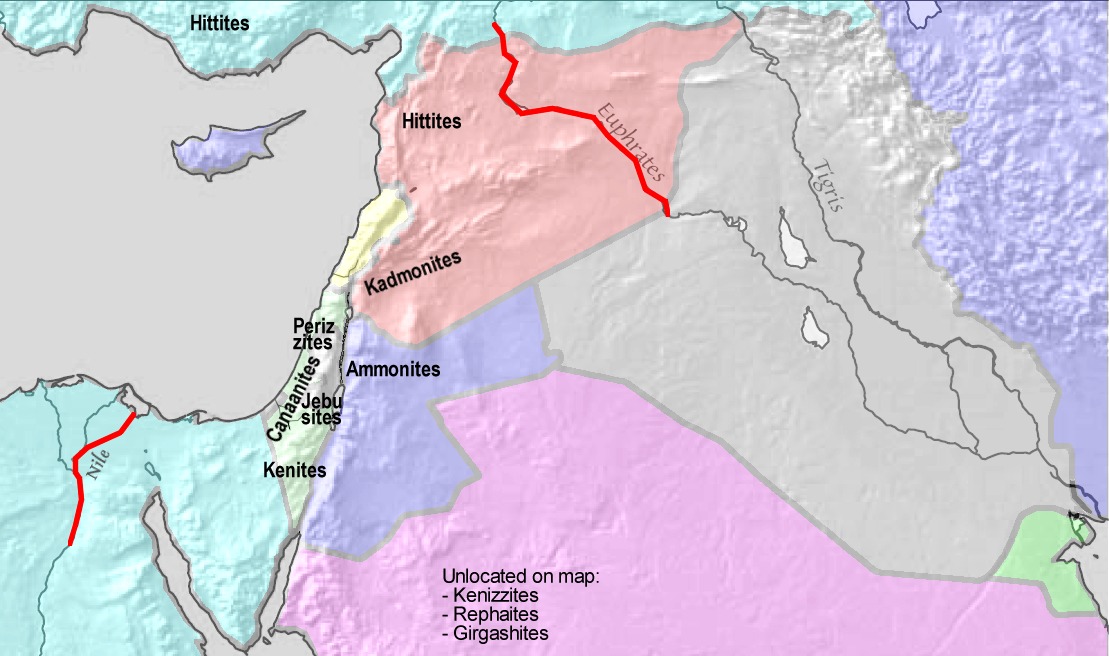

Names and language
The term appears in several languages and traditions. In Hebrew the idea is often rendered as הארץ המובטחת and in transliteration as ha'aretz hamuvtakhat. Arabic sources refer to it as أرض الميعاد. Scriptural discussion of the Promised Land appears in the Hebrew Bible and related literature; common academic references treat those texts as primary sources for the concept (see scriptural sources).
Historical and textual background
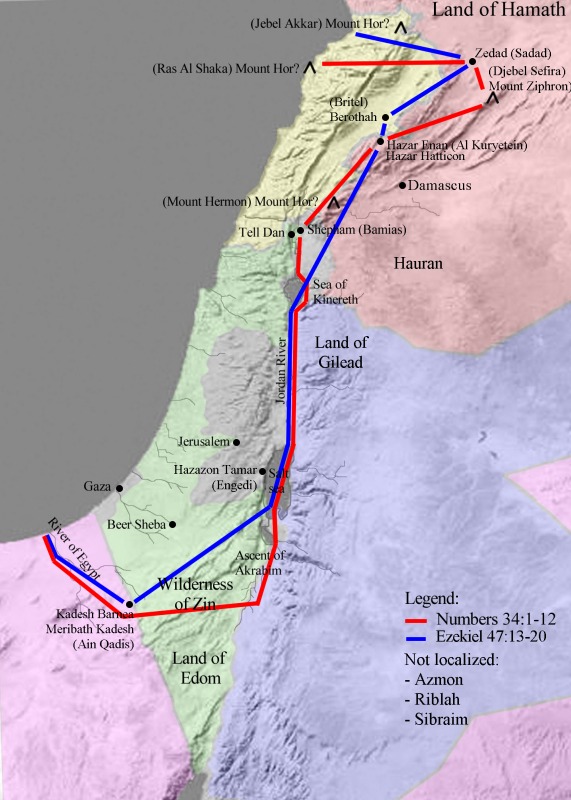
In the biblical accounts the promise is connected with figures such as Abraham and his descendants and is tied to narratives about migration, settlement and covenant. The boundaries and character of the land are described in different passages with variations in scope; later interpretive traditions and legal texts developed varied understandings of what the promise entailed. The notion has been reused and reinterpreted across centuries by religious leaders, travelers, and political movements.
Religious and cultural meanings
For Judaism the Promised Land has theological and liturgical significance: it is associated with covenantal obligations, commandments linked to the land, and pilgrimage practices. For Christianity and Islam the theme is present as well, sometimes adapted to broader spiritual meanings such as salvation or moral restoration. Some traditions emphasize a literal restoration to a territory; others emphasize metaphorical or moral dimensions of promise and fulfillment. References to the divine promiser or guarantor of the promise appear throughout these discussions (God and the patriarch Abraham are central figures).
Modern usage and significance
In modern history the phrase "Promised Land" has been invoked by nationalist and religious movements as a claim to territory and identity, most prominently in debates about the modern state of Israel and the region historically called Canaan, Israel or Palestine. The term is also used metaphorically in literature, music and political rhetoric to mean an aspirational destination or a promised future of justice and prosperity.
Key features and distinctions
- Scriptural vs. symbolic: some readings emphasize literal land and borders; others treat the promise as spiritual or ethical.
- Variable boundaries: biblical descriptions differ and later commentators supplied diverse maps and categories.
- Cross-religious presence: the idea appears in Jewish, Christian and Islamic traditions with different emphases.
- Contemporary resonance: the term remains influential in religious practice, cultural expression and political discourse.
The Promised Land, therefore, functions both as a historical-religious reference anchored in ancient texts and as a powerful symbol reused in many contexts to express hope, identity and claims about belonging.
Questions and answers
Q: What is the Promised Land?
A: The Promised Land is the land that God promised to Abraham and his descendants.
Q: What is the significance of the Promised Land in the Hebrew Bible?
A: The Promised Land is very important in the Hebrew Bible as it is the land that God promised to Abraham and his descendants.
Q: What is the alternate name of the Promised Land?
A: The alternate name of the Promised Land is "The Land of Milk and Honey".
Q: What does the Promised Land refer to nowadays?
A: Nowadays, the Promised Land refers to the restored homeland for the Jewish people.
Q: What does the Promised Land represent for the Jewish people?
A: The Promised Land represents a path to salvation and liberation for the Jewish people.
Q: Who did God promise the Promised Land to?
A: God promised the Promised Land to Abraham and his descendants.
Q: What are the transliterations of the Promised Land in Hebrew and Arabic?
A: The transliteration of the Promised Land in Hebrew is "ha'aretz hamuvtakhat" and in Arabic is "ard al-mi'ad".
Related articles
Author
AlegsaOnline.com Promised Land Leandro Alegsa
URL: https://en.alegsaonline.com/art/79427