
Pentecostalism: Beliefs, History, and Global Influence
Pentecostalism is a Christian movement emphasizing direct experience with the Holy Spirit, distinctive worship practices, and rapid global growth since the early 20th century.
Pentecostalism is a movement within broader Evangelical and Christian traditions that emphasizes a direct, personal encounter with God through the activity of the Holy Spirit. Adherents commonly seek a distinctive experience called the baptism of the Holy Spirit, often associated with spiritual gifts such as speaking in tongues, healing, and prophecy. This focus on experiential faith shapes Pentecostal theology, worship, and community life.
Image gallery
10 Images

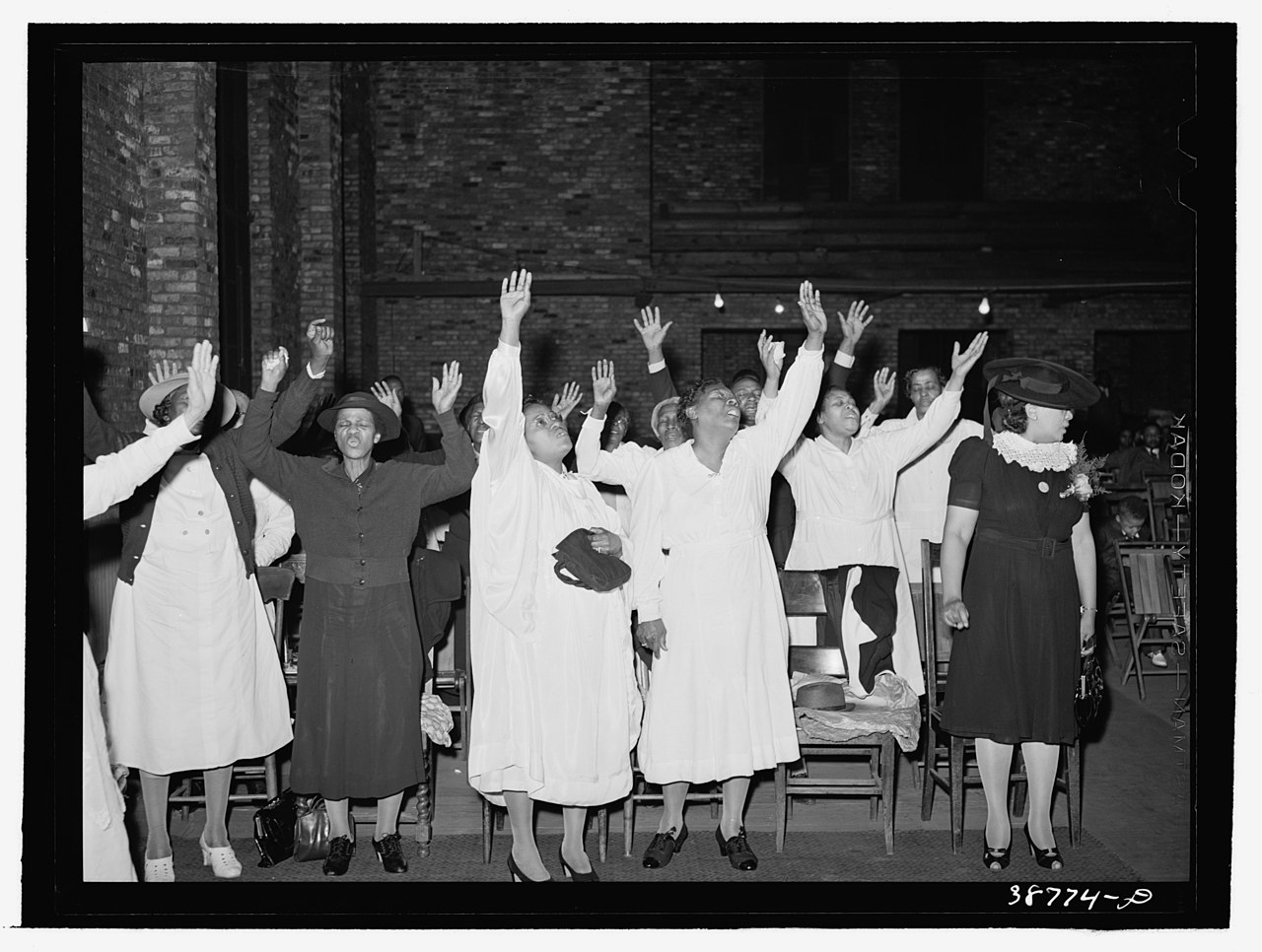


Core beliefs and common practices
- Baptism of the Holy Spirit: Many Pentecostals describe a post-conversion experience—sometimes termed the baptism of the Holy Spirit—that empowers believers for service and witness.
- Spiritual gifts: Practices like glossolalia (speaking in tongues), faith healing, prophecy, and other charismatic gifts are often expected and encouraged in worship.
- Biblical orientation: Pentecostal teaching typically emphasizes the authority of Scripture and an Evangelical approach to salvation and mission.
- Vibrant worship: Services are frequently expressive, with music, spontaneous prayer, and calls for personal response.
Origins and historical development
The modern Pentecostal movement emerged in the late 19th and early 20th centuries, gaining widespread attention during revival gatherings such as the Azusa Street meetings. Those events helped spread Pentecostal emphases across denominational lines and around the world. Over time Pentecostal groups formed independent denominations and networks; some communities stayed within older churches while others organized into separate bodies.
Worship life, organization, and examples
Local Pentecostal congregations vary widely in governance, liturgy, and cultural expression. Some are part of large organized denominations or fellowships, while others are independent or networked informally. Worship often centers on experience and testimony, with a strong missionary impulse that has contributed to rapid growth in many regions. Observers note contrasts between Pentecostal churches and Charismatic movements: the latter often remain within existing denominational structures, whereas Pentecostalism historically spawned separate denominations or movements.
Significance and distinctions
Pentecostalism is notable for its global expansion, social and cultural diversity, and influence on contemporary Christian music and worship styles. It stresses immediate spiritual experience, communal renewal, and active evangelism. While it shares many emphases with Charismatic Christians, Pentecostalism is often identified by its early institutional separations from established churches and particular doctrines about Spirit baptism and spiritual gifts.
Further reading and context
For background on related concepts and institutional relationships, see resources on the Day of Pentecost, denominational dynamics such as church denominations, and broader discussions of Spirit-centered renewal movements across Christianity.
Questions and answers
Q: What is Pentecostalism?
A: Pentecostalism is a faith within Evangelical Christianity that believes in a personal experience with God through the baptism of the Holy Spirit.
Q: What does Pentecostalism believe?
A: Pentecostalism believes in a personal experience with God through the baptism of the Holy Spirit, as described in Acts 2:38.
Q: How is Pentecostalism similar to Charismatic groups?
A: Both Pentecostalism and Charismatic groups believe in a personal experience with God through the baptism of the Holy Spirit. However, Pentecostalism came about earlier and separated from main church branches, while Charismatic Christians tended to stay in their denominations and did not divide away.
Q: When did Charismatic Christians separate from main church branches?
A: Charismatic Christians did not separate from main church branches; they tended to stay in their denominations and did not divide away.
Q: Where does the belief of Pentecostals come from?
A: The belief of Pentecostals comes from Acts 2:38, which describes an experience with God through the baptism of the Holy Spirit on the Day of Pentecost.
Q: When was Pentecostalism established compared to when Charistmatic Christianity began?
A:Pentacosatalim was established earlier than when Chariasmtic Christianity began.
Related articles
Author
AlegsaOnline.com Pentecostalism: Beliefs, History, and Global Influence Leandro Alegsa
URL: https://en.alegsaonline.com/art/75641
Sources
- dlibrary.acu.edu.au : Clifton, S. J., (2005), An Analysis of the Developing Ecclesiology of the Assemblies of God in Australia, PhD thesis Australian Catholic University
- nytimes.com : nytimes.com/2007/01/16/nyregion/16storefront.html?ex=157680000&en=2dba579e8e7c73d2&ei=512…