
Assemblies of God
A major Pentecostal Christian denomination originating in the United States in 1914, known for charismatic worship, global missions, and a cooperative fellowship of national churches.
Overview
The Assemblies of God is a worldwide Pentecostal Christian fellowship that began in the United States and has grown into one of the largest Pentecostal bodies globally. It emphasizes experiential faith, lively worship services, and a practical evangelical commitment to evangelism, social outreach, and missionary work. The movement is often identified by its teaching on the baptism in the Holy Spirit and spiritual gifts.
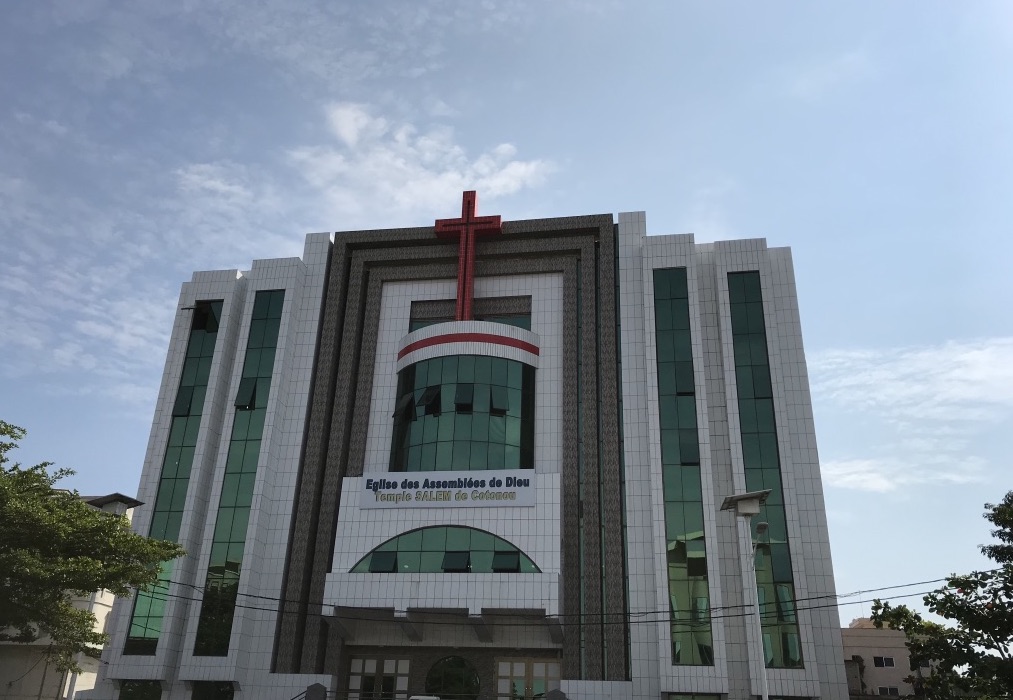
Image gallery
3 Images

Core beliefs and practices
Assemblies of God theology combines mainstream evangelical Christian doctrine with Pentecostal distinctives. Common emphases include:
- Trinitarian Christianity: belief in God as Father, Son and Holy Spirit and in the authority of the Bible.
- Baptism in the Holy Spirit: an experience distinct from conversion often evidenced by speaking in tongues and other spiritual gifts.
- Divine healing and prayer: prayer for physical and spiritual needs, and expectation of God’s intervention.
- Mission and evangelism: active church planting, international missions and community programs.
Organization and governance
Rather than a single, centralized hierarchy, the movement functions as a cooperative fellowship of national and regional bodies. Local congregations are generally autonomous but adhere to shared statements of faith and standards. Periodic councils and assemblies set common policies, credential ministers, and coordinate missions and education.
History and development
The Assemblies of God was formed in the early 20th century in the United States by leaders seeking to organize Pentecostal congregations for mutual support, ministry training and missionary outreach. Since its founding, it has spread rapidly through church planting, evangelistic campaigns and theological education, establishing seminaries and Bible colleges in many countries.
Global presence and notable facts
Today the fellowship comprises a network of national churches and ministries across more than 200 countries and territories, with membership in the tens of millions. It supports mission agencies, relief work, schools and theological training institutions. The denomination permits the ordination of women in many national bodies and is active in both urban and rural contexts.
For official statements, historical summaries and resources, see national and international pages: official national fellowship, global fellowship overview, and educational and missionary resources.
Related articles
Author
AlegsaOnline.com Assemblies of God Leandro Alegsa
URL: https://en.alegsaonline.com/art/6721
Sources
- worldmissions.ag.org : Assemblies of God World Missions Research Office – AGWM Current Facts and Highlights (2008)
- ag.org : AG Statistical Reports
- 247ag.com : World Assemblies of God Statement of Faith