
Baptist: Believer's Baptism, Congregational Churches, and Origins
Baptists are a Christian tradition emphasizing believer's baptism by immersion, local church autonomy, and religious liberty. Originating in the 17th century, Baptists now comprise many denominations worldwide.
Overview: The term "Baptist" denotes a family of Christian traditions and the members of churches that identify with them. Baptists emphasize that baptism should be administered to individuals who profess personal faith rather than to infants. This practice marks a central theological distinction within Christianity; see the broader Christian context and the variety of Baptist churches and denominations.
Image gallery
10 Images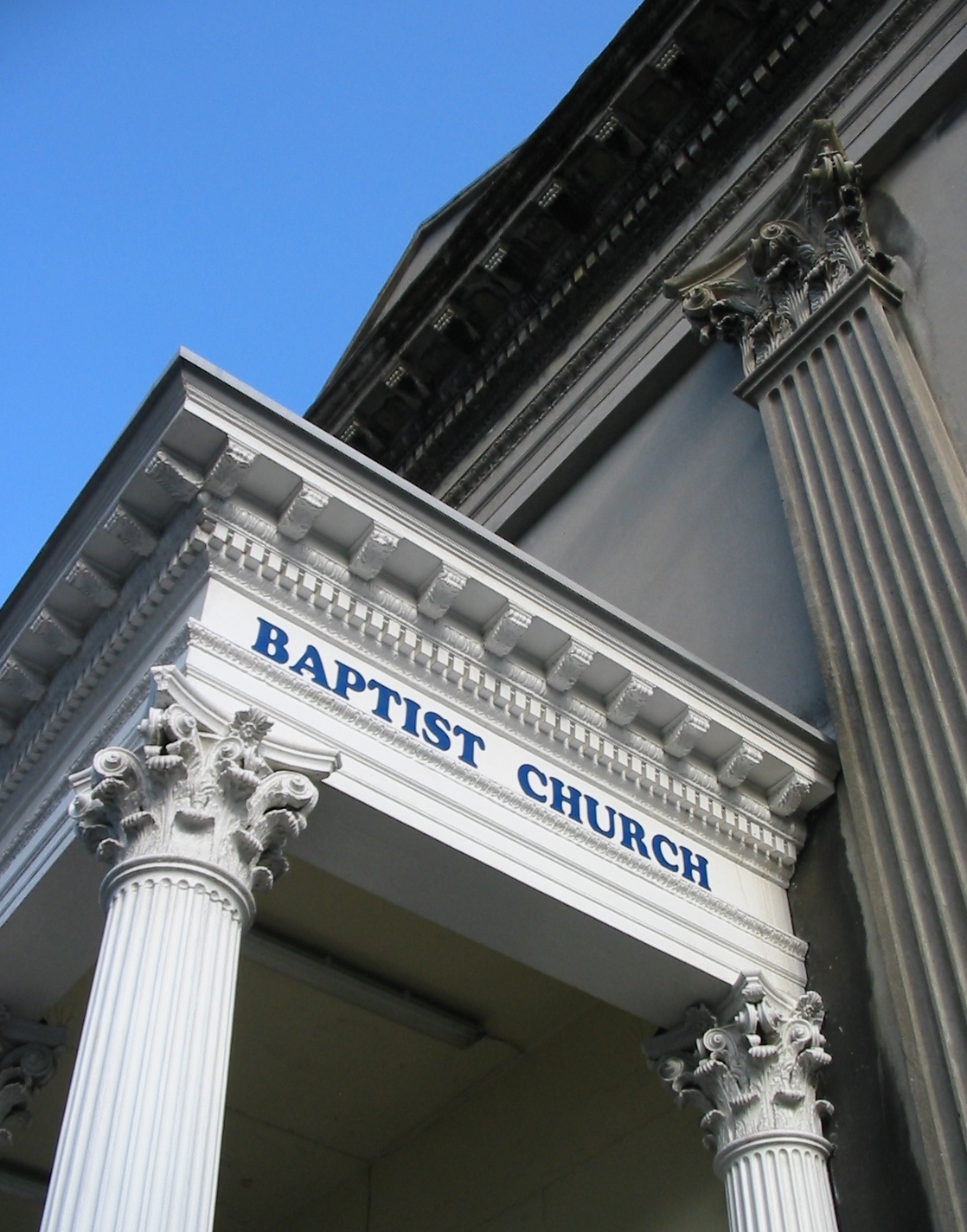


Core beliefs and worship practices
Baptists generally affirm the authority of the Bible for faith and practice, the centrality of personal conversion, and congregational governance. Two practices commonly observed are baptism and the Lord's Supper. Baptism is typically performed by full immersion as a public sign of faith, in contrast to infant baptism, which Baptists historically reject. Local congregations usually decide their own affairs and select their leaders.
Organization and diversity
There is no single Baptist church worldwide; instead, the movement contains numerous independent congregations and denominations with varying emphases. Some national and international bodies provide cooperative structures for mission and education, but individual churches retain autonomy. This diversity means worship styles, social priorities, and theological nuances differ significantly across Baptist communities.
Origins and early development
Most historians trace Baptist beginnings to the early 17th century within English-speaking Protestant movements. Early figures and groups in England and the Netherlands shaped the first Baptist congregations. In colonial North America, leaders such as Roger Williams and John Clarke organized Baptist assemblies; records show activity in Rhode Island around 1639, with churches in Providence and Newport, though exact chronology remains unclear.
Characteristics and notable facts
- Believer's baptism: Baptism follows an individual's profession of faith, most commonly by immersion.
- Congregational polity: Local churches govern themselves rather than answer to a central authority.
- Religious liberty: Many Baptists historically have advocated for separation of church and state and freedom of conscience.
Contemporary presence and significance
Today Baptists are found worldwide in many cultural contexts. They participate in education, missionary work, humanitarian efforts, and public life, often cooperating through national and international bodies while preserving local independence. For further reading on Baptist history, beliefs, and global organizations, consult general resources about followers of Jesus Christ and the development of Baptist traditions within broader Christian history (denominational overview).
Questions and answers
Q: What is Baptist?
A: Baptist is a tradition within Christianity that believes in placing followers of Jesus Christ in water to show their faith.
Q: What do Baptists believe in?
A: Baptists believe that only adults who choose to profess their faith should be baptized.
Q: What is the history of Baptist churches in Rhode Island?
A: In 1639, Roger Williams founded a Baptist church in Providence, Rhode Island while John Clarke founded one in Newport, Rhode Island. It is unclear which church opened first due to missing information in their records.
Q: Do Baptists practice infant baptism?
A: No, they do not.
Q: What is the significance of the name "Baptist"?
A: The name "Baptist" is derived from their belief in baptism as a sign of faith.
Q: Can individuals belong to a Baptist church or denomination?
A: Yes, individuals can belong to a Baptist church or a Baptist denomination.
Q: Who founded the Baptist church in Providence?
A: Roger Williams founded the Baptist church in Providence.
Related articles
Author
AlegsaOnline.com Baptist: Believer's Baptism, Congregational Churches, and Origins Leandro Alegsa
URL: https://en.alegsaonline.com/art/8826
Sources
- commons.wikimedia.org : Baptist Christianity
- adherents.com : "Largest Religious Groups in the USA"
- bwanet.org : "Baptist World Alliance statistics"