
Rishi: Seers and Sages of the Hindu Tradition
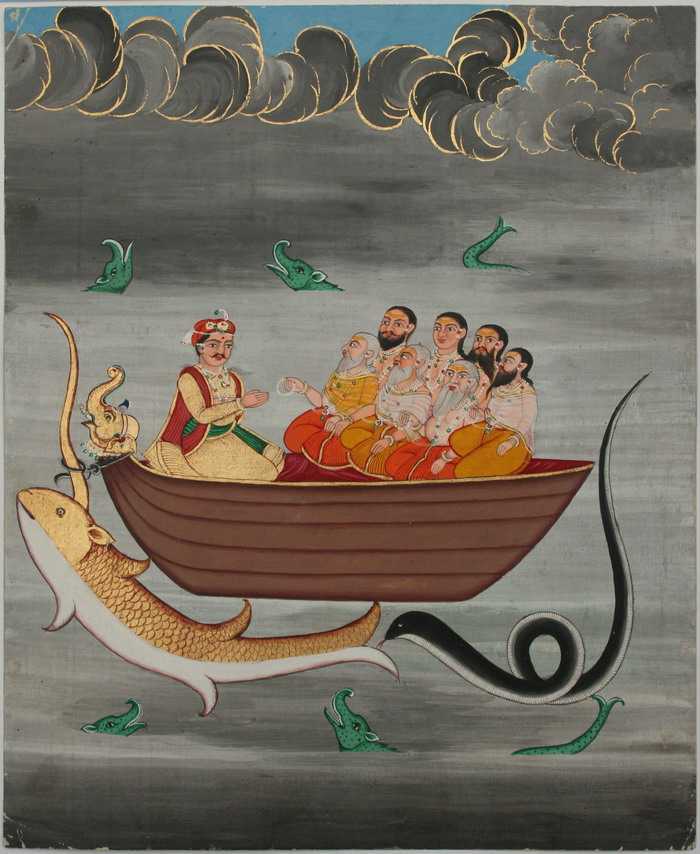
Rishi denotes a seer or sage in Hindu tradition—an inspired teacher, composer of Vedic hymns, ascetic practitioner and member of lineages including the legendary Saptarishi.
The term rishi denotes a class of seers and sages in ancient Indian religious literature. In English it is often rendered as a translation equivalent such as sage or seer, but the word carries technical and cultural meanings that extend beyond a simple synonym. In Vedic texts a rishi is commonly represented as the seer who 'heard' or 'saw' a hymn or mantra and through meditative insight preserved and transmitted it by oral teaching.
Etymologically the Sanskrit form rṣi has associations with seeing, hearing, or moving inward toward revelation. Classical sources link rishis with disciplined practice (tapas), contemplative life, austerities and study. Their authority could be manifest in ritual knowledge, ethical counsel, genealogical claims (gotra), and community leadership; in mythic narratives some rishis are also credited with extraordinary powers or the capacity to bestow boons or pronounce shap (curses), events sometimes affecting rulers or even gods. Stories in epic and Puranic literature describe divine figures such as Indra responding to the potency of a rishi's asceticism.
Image gallery
3 Images

Roles, practices and settings
Rishis are typically pictured living in secluded places such as hermitages and deep forests, where they engaged in meditation, ritual, and teaching. Many served as teachers in gurukulas, receiving and instructing young students in Vedic recitation, ritual technique and philosophical reflection. Some rishis became court advisers or participated in public debate; others avoided political life entirely. The categories applied to rishis in later literature include distinctions such as brahmarshi (a rishi who has realized brahman or supreme knowledge), devarshi (a divine sage, for example Narada in the Puranas), and rajarshi (a royal sage, a king-sage who combined rulership and spiritual attainment).
Saptarishi and notable names
- Kashyapa
- Atri
- Vashistha (Vashitha)
- Vishvamitra
- Gautama
- Jamadagni
- Bharadvaja
These seven figures, often called the saptarishi (seven sages), occupy a central place in later myth and ritual. Different texts and periods offer varying lists and genealogies for the saptarishi, but the group is frequently associated with stars of the northern sky (Ursa Major) and with related celestial motifs; some traditions pair the rishis with constellations or with their wives represented as the cluster known to modern observers as the Pleiades.
Women, disciples and textual legacy
Women with seer-like status are called rishikas in Sanskrit; classical literature preserves several respected female thinkers and interlocutors such as Gargi and Maitreyi, who appear in Upanishadic debates and philosophical inquiry. Rishis maintained lineages of transmission: many hymns of the Rigveda and other Vedic texts are attributed to named rishis or to schools associated with them, and later sutra, Upanishadic and Purana material develops narrative and doctrinal traditions around these names.
The designation of a rishi could connote historical teacherhood, mythic archetype, or both. Scholars distinguish the ritual and literary roles of rishis from their mythic portrayals and continue to study how oral transmission, social institutions such as gurukulas, and evolving textual genres shaped the figure of the rishi across centuries. The cultural memory of rishis remains influential in contemporary Hindu practice, where the term may be used for revered teachers, ascetics, or elders respected for spiritual insight.
Beyond South Asia, related or cognate lexical forms sometimes appear in other languages and dialects; for example a similar term occurs in the Romani language as Rashai (with a female form Rashani), which illustrates how words and ideas have travelled across regions and cultures. The study of rishis thus intersects philology, religious history, mythology and the history of ideas, offering insight into how sacred knowledge was conceived, transmitted and institutionalized in South Asian traditions.
Related articles
Author
AlegsaOnline.com Rishi: Seers and Sages of the Hindu Tradition Leandro Alegsa
URL: https://en.alegsaonline.com/art/83048