
Quranism (al‑Qur'āniyya): Islam based on the Quran alone
Quranism is the position that the Quran is the only authoritative source in Islam, rejecting the hadith collections as later, secondary literature; it shapes distinct approaches to law, practice and theology.
Overview
Quranism (Arabic: al‑Qur'āniyya) describes a range of positions that hold the Quran alone to be the primary and sufficient scripture for guidance in Islam. Adherents—often called Quranists, Quraniyoon, or "Quran‑alone" Muslims—argue that the prophetic traditions collected in the hadith corpus should not carry the same legal or theological authority as the Quran. This stance affects how adherents read scripture, derive ethical rulings, and practice ritual worship.
Image gallery
3 Images

Beliefs and characteristics
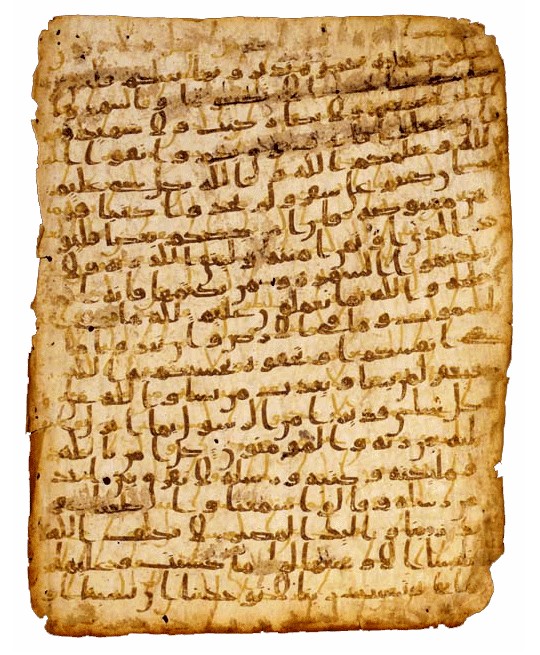
At its core, Quranism affirms the finality and completeness of the Quranic message. Quranists typically prioritize the text of the Quran for doctrine, law and moral instruction and are skeptical about relying on post‑Quranic literature. Their approach ranges from strict rejection of all hadiths to selective acceptance of reports that align closely with the Quranic text. Many Quranists emphasize direct reading, linguistic context, and reasoned interpretation.
History and development
While some scholars locate Quran‑centered tendencies in early Islamic debates, the explicit movement known as Quranism developed most visibly in the modern period as part of broader reforming currents. Critiques of hadiths gained momentum as historical and philological scholarship examined the formation and transmission of hadith collections centuries after the Prophet's life. Supporters point to this delayed compilation as a reason to treat hadith literature with caution (hadith compilation).
Practical implications and diversity
In practice, Quranist positions produce diverse outcomes. Because many ritual and legal details are elaborated in hadiths, Quranists often offer alternative readings of prayer practices, gender roles, penal rules, and community governance that rely primarily on verses in the Quran and on general ethical principles. There is no single Quranist legal code; interpretations vary widely across individuals and communities.
Debates and distinctions
Quranism differs from mainstream Sunni and Shiʻa methodologies that accept hadith collections—albeit with varying standards of authenticity—as supplementary revelation for understanding the Quran and the Prophet's example. Mainstream Muslim scholars defend hadith study using chains of transmission and scholarship, while Quranists critique those methods and the reliability of later transmitted reports (Hadith criticism). Discussions also consider whether certain Quranist readings discard historical context or whether they restore Quranic primacy.
Significance and criticism
Quranism has influenced discussions on reform, scriptural interpretation, and authority in the Muslim world. Advocates see it as returning to the Quran's central role; critics warn that dismissing hadiths wholesale can detach practice from historical context and communal traditions. For further general background and diverse perspectives, readers may consult introductory resources on the movement and on debates over scriptural sources (Quranism).
- Key terms: Quran, hadith, Sunnah, scriptural authority.
- Related topics: Islamic legal theory, hermeneutics, modern reform movements.
Related articles
Author
AlegsaOnline.com Quranism (al‑Qur'āniyya): Islam based on the Quran alone Leandro Alegsa
URL: https://en.alegsaonline.com/art/80619
Sources
- doi.org : 10.1111/j.1749-8171.2009.00189.x