
Quarry (open‑pit extraction of stone and minerals)
A quarry is an open‑pit excavation where rock, stone and mineral resources are removed for construction and industry. Covers types, methods, history, environmental issues and rehabilitation.
Overview
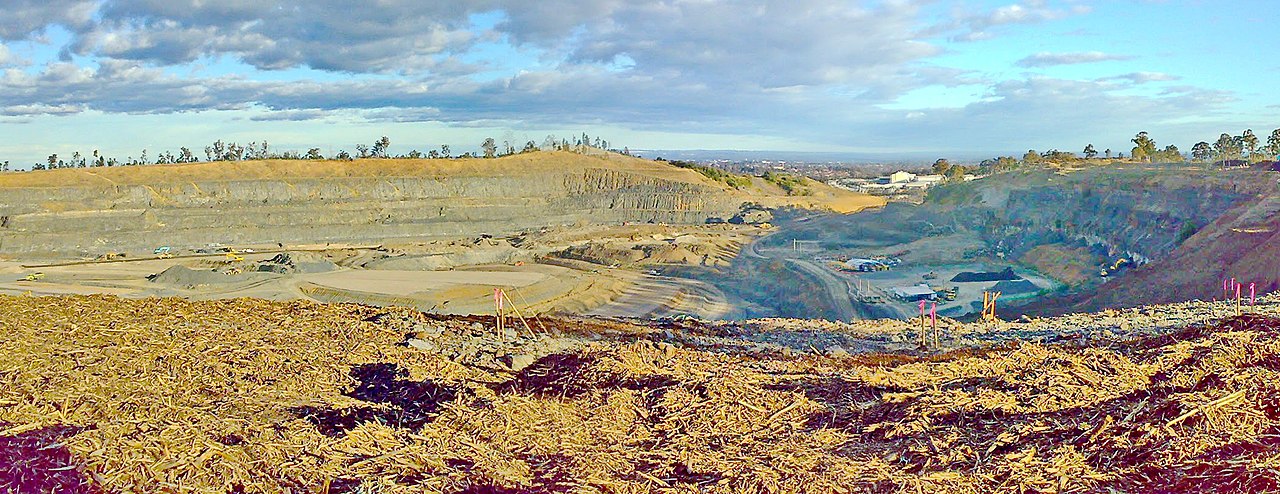
A quarry is a type of open‑pit mine where rock, construction stone and certain minerals are extracted from the surface of the Earth. Typical products include dimension stone—large blocks of granite, marble or limestone—and fragmented material for aggregate and roadstone. Quarries vary in scale from small local operations to large industrial sites that supply national markets.

Image gallery
10 Images




Characteristics and methods
Quarrying may remove intact blocks or break rock into smaller pieces for processing. Operators recover rocks and minerals using drilling, sawing, controlled blasting and mechanical cutting. Some sites focus on dimension stone cut to specified sizes for building facades, monuments and interior finishes; others produce crushed stone used in concrete and roadbeds.
Types, workflow and safety
Common quarry types include granite, limestone, sandstone and marble quarries. Workflows include extraction, primary crushing, sorting and transportation. Typical safety and environmental controls address dust suppression, slope stability, noise reduction and water management. Water pumped into low‑lying pits can accumulate and form lakes when quarrying stops, creating new aquatic habitats or safety hazards depending on management practices; small reclaimed ponds are a frequent outcome when water settles into excavations forming lakes.

History, examples and importance
Quarrying is an ancient activity: civilizations have been extracting stone for monuments, temples and roads for millennia. Modern industrial quarries supply materials for construction, infrastructure, landscaping and specialized stonework. Notable contemporary examples include large commercial operations such as the granite quarries operated by Rock of Ages in Vermont, United States, and famous historical marble and limestone quarries in marble-producing regions like Greece.
Uses, impacts and rehabilitation
Products from quarries are essential to building, road construction and many industrial processes. However, quarrying alters landscapes, affects local ecosystems and can generate dust and noise. Modern regulatory frameworks and best practices emphasize planning, progressive rehabilitation, and post‑extraction reuse. Abandoned quarries have been converted to parks, recreational lakes, wildlife reserves or specialized industrial sites in countries ranging from the Central African Republic to Belgium.

Quick facts
- Quarries are distinguished from underground mines by their surface excavation methods.
- Dimension stone differs from aggregate: blocks versus crushed aggregates.
- Environmental management and community engagement are central to modern quarry planning.
Related articles
Author
AlegsaOnline.com Quarry (open‑pit extraction of stone and minerals) Leandro Alegsa
URL: https://en.alegsaonline.com/art/80399
Sources
- central-vt.com : "ROCK OF AGES"