
Thatching: Traditional Roof Covering Using Dry Vegetation
Thatching is the craft of making roofs from bundled dry vegetation such as straw, reeds or palm. It is a long-standing, sustainable roofing method with regional styles, maintenance needs, and fire considerations.
Thatching is the construction of a roof using bundles of dry plant material laid in overlapping layers so rain runs off and the interior stays dry. This technique, sometimes called thatch roofing, relies on the density and angle of the covering rather than a single waterproof membrane. Thatched roofs remain in use worldwide for vernacular architecture, heritage buildings, and eco-conscious new construction.
Image gallery
10 Images


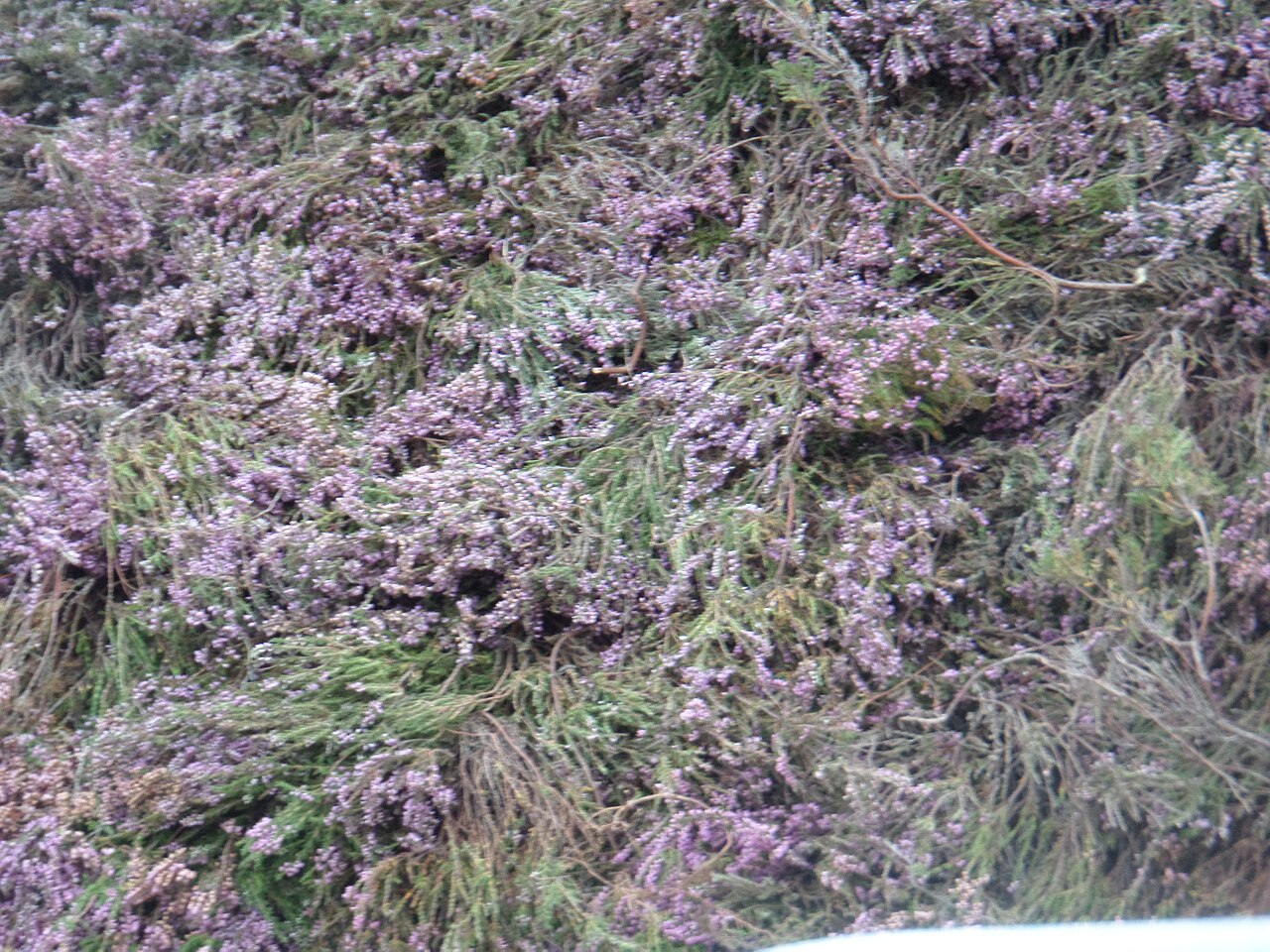


Materials and basic form
Common materials include straw, reeds, sedge, heather, and palm branches. Each material has specific properties: reeds resist rot and can last many decades when well fixed; straw and combed wheat provide a traditional appearance; heather and palm are chosen in regions where they are locally abundant. Material choice influences roof pitch, thickness, and expected lifespan.
Construction characteristics
A thatched roof is built from many small bundles (or sheaves) that are tied, pegged, or stitched to roof battens and rafters. The covering must be thick enough to shed water and provide insulation; typical thickness at the eaves is often 250–450 mm for temperate-climate roofs. A steep roof pitch helps water drain quickly, and ridges are frequently capped with a denser finish to protect the topmost seam.
History and regional development
The technique dates back to prehistoric times and has been adapted to local plants and climates. In Europe it became associated with rural cottages and farm buildings; in tropical regions palm and grass thatches have been used for dwellings and communal shelters. Different cultures developed characteristic styles and decorative ridge treatments that now form part of their architectural heritage.
Uses, benefits and limitations
- Benefits: good thermal insulation, low embodied energy, readily available materials in many rural areas, and strong visual character for historic buildings.
- Limitations: requires specialist craftsmen (thatchers), periodic maintenance and repairs, vulnerability to fire without protective measures, and variable lifespan depending on material and exposure.
Care and notable facts
Routine maintenance includes replacing worn patches, controlling moss growth, and ensuring flashings around chimneys and valleys are sound. Modern fire-safety measures such as treated layers, courses of fire-resistant material, and spark arrestors on chimneys are commonly used. Thatching is both a living craft and an important part of cultural conservation: many countries provide training and certification to preserve skills and ensure safe, durable roofs.
For additional practical guidance and regional examples, consult specialist resources or conservation guides on traditional roofing and thatching techniques.
Related articles
Author
AlegsaOnline.com Thatching: Traditional Roof Covering Using Dry Vegetation Leandro Alegsa
URL: https://en.alegsaonline.com/art/97434