
Real-time strategy (RTS) video games
Real-time strategy (RTS) is a video game genre in which players manage resources, build bases and command units simultaneously, emphasizing tactical decision-making and strategic planning in continuous time.
Real-time strategy (RTS) is a category of computer and video games in which players command units and manage economies in continuous time rather than taking turns. An RTS typically combines resource management, base construction, technological development and battlefield tactics. Unlike turn-based strategy, actions occur immediately and simultaneously for all participants, requiring rapid decision-making, multitasking and situational awareness.
Image gallery
5 Images


Core elements
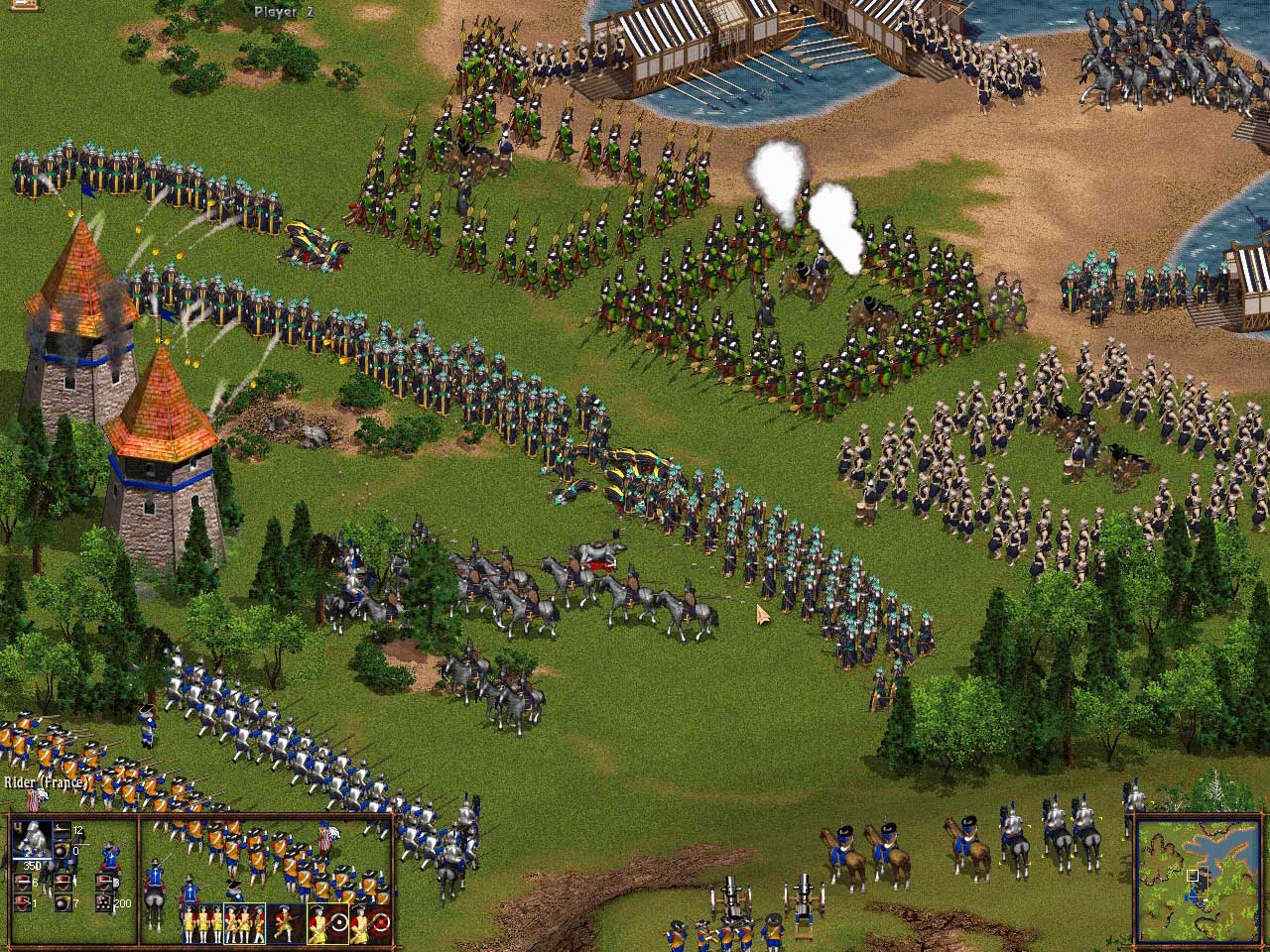
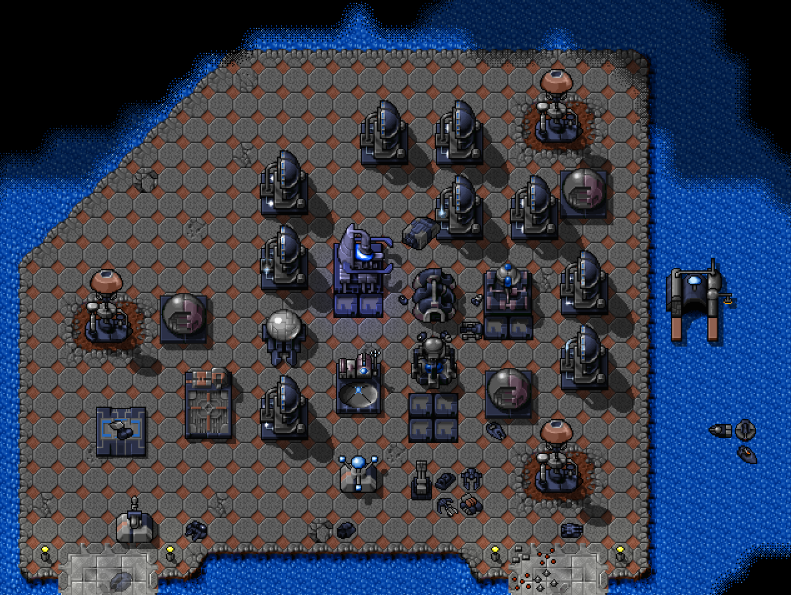
Most RTS games include several recurring components. Players gather or produce resources to fund actions; construct buildings that unlock units, upgrades or abilities; and create individual units such as soldiers, vehicles or specialized workers. These units are grouped into armies and directed in real time to explore, defend or attack. The typical objective is to outmaneuver and destroy opposing forces or achieve map-specific goals.
- Economy: resource collection and allocation, which can be time- or worker-based.
- Base and structures: buildings enable production, defense and research.
- Units: mobile entities with roles (melee, ranged, support, air, armor).
- Technology: upgrades or new units unlocked through research.
- Fog of war & vision: information control and scouting are critical.
For more on the genre's defining features see an overview: RTS overview. Examples of classic and modern titles are often used to illustrate these elements: representative games.
History and evolution
RTS emerged from earlier strategy and wargame traditions, evolving as user interfaces, input devices and computing power allowed complex simulations at interactive speeds. Early milestones established conventions such as unit production and resource harvesting, while later developments introduced multiplayer competition, refined artificial intelligence, and deeper asymmetric factions. Innovations in interface design, unit pathfinding and balance have shaped the genre's direction.
Historical accounts and lists of influential releases can be found at curated resources: unit and game histories and general timelines: RTS history.
Gameplay and strategy
Playing RTS requires balancing short-term tactics with long-term strategy. Typical tasks include:
- Opening economy and worker production to secure income.
- Developing a build order—an ordered plan of construction and production.
- Scouting to gather intelligence and counter enemy plans.
- Micro-management of units in combat to maximize effectiveness.
- Macro-management of economy and production to sustain operations.
Guides and strategy resources offer recommended approaches to openings, unit counters and map control: build orders and structures, unit movement and vehicle tactics, and unit composition.
Multiplayer, modding and competitive play
RTS games have long supported multiplayer matches that emphasize reflexes, strategy and adaptation. Ladder systems, tournaments and community leagues foster competitive play. Many RTS titles also include modding tools that allow players to create new maps, units or rules, extending longevity and diversity. Resources on economy balancing and community tournaments are available: economy and resource guides and competitive structures.
Legacy and distinctions
RTS remains influential in game design, contributing concepts such as real-time resource management and unit role specialization to other genres. It is distinct from real-time tactics (which de-emphasize base-building and economy) and from turn-based strategy (which alternates discrete player actions). For learning materials and advanced tactics see: strategy reference. The genre continues to evolve with hybrid designs, persistent worlds and AI improvements, maintaining a dedicated player base and ongoing scholarly and design interest.
Related articles
Author
AlegsaOnline.com Real-time strategy (RTS) video games Leandro Alegsa
URL: https://en.alegsaonline.com/art/81488