
Reel-to-Reel Tape Recorders: History, Design, Uses, and Legacy
A comprehensive overview of reel-to-reel tape recorders: how they work, their development in the 20th century, technical traits, common uses in studios and homes, upkeep, and cultural influence.
Overview
Reel-to-reel tape recorders, often called open-reel or R2R decks, are analog magnetic tape machines that record and play back audio on reels of tape wound onto spools. First developed and refined during the mid-20th century, they became central to professional studios and later to enthusiasts and hobbyists in domestic settings. Their appeal lay in high fidelity, editability and the physicality of tape recording — qualities that shaped how music and broadcasting were produced for decades.
Image gallery
10 Images


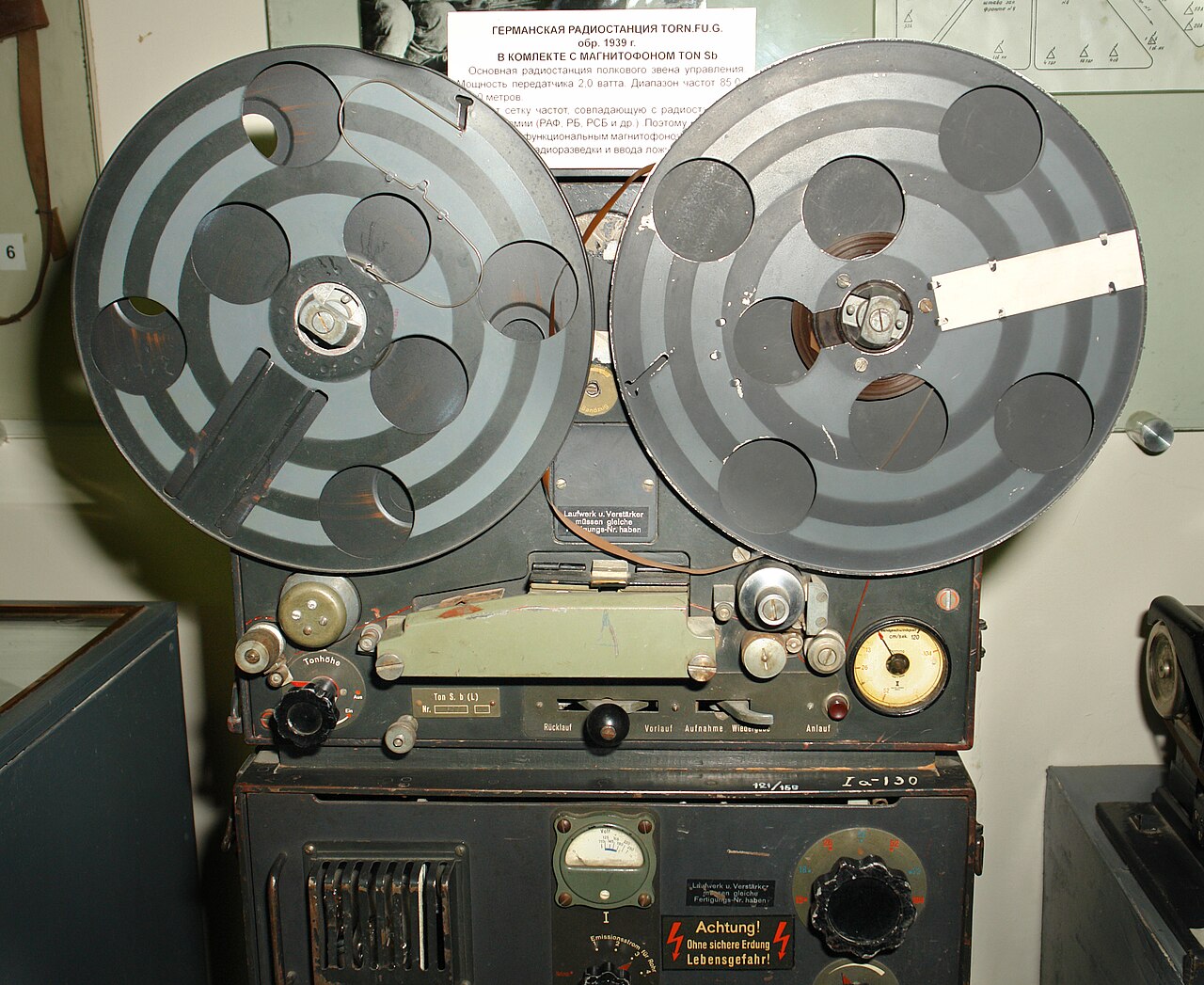

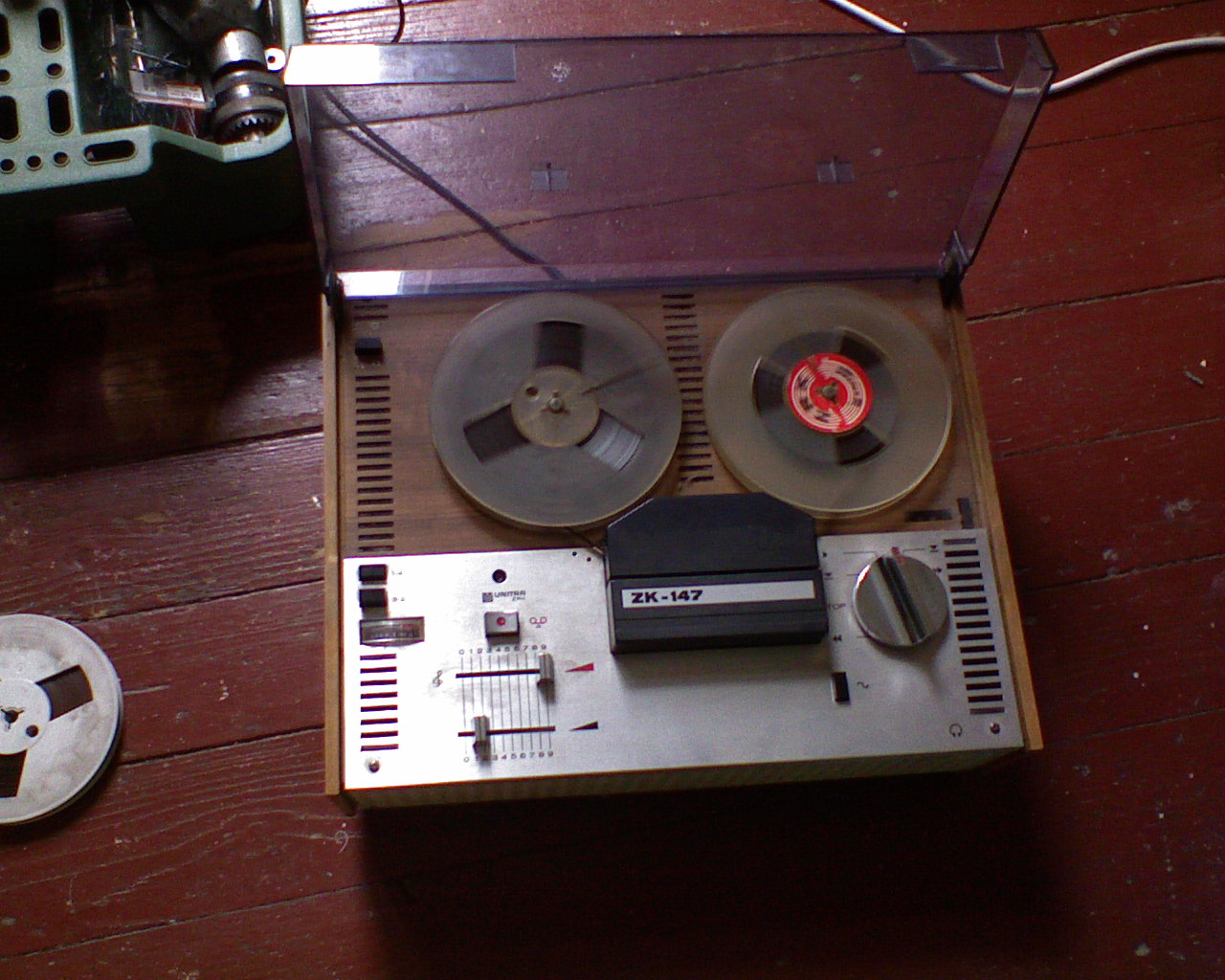



Design and principal components
A typical reel-to-reel deck contains a transport mechanism, tape heads and reels. The transport uses a capstan and pinch roller to move tape at a steady speed. Heads—erase, record and playback—are arranged so signal can be erased and written before being read. Additional elements include reel tables or spindles, tension arms, guides and sometimes meters for level monitoring. Sound quality depended on tape width, tape speed and head alignment; wider tape and higher speeds generally produced better fidelity but required larger machines and more tape.
History and development
The technology evolved from early magnetic recording experiments into practical machines around the 1940s and spread through the 1950s and 1960s into home hi-fi systems. By the 1970s reel-to-reel tape enjoyed peak popularity among professionals and serious listeners who valued its dynamic range and low distortion compared with contemporary formats. Over time, more portable and convenient media such as compact cassettes and, later, digital formats displaced most everyday use, though R2R retained a niche among audiophiles and studios.
Uses, techniques and cultural impact
Reel-to-reel recorders were used for many tasks: multitrack studio recording, broadcast logging, field recording, archiving and home listening. Engineers could splice and overdub tape, producing edits and effects that are still foundational in audio production. Creative uses included tape loops, speed manipulation and tape-delay effects that influenced experimental music and popular recordings; some artists treated the machine itself as an instrument or built ensembles around tape manipulation. For examples of these practices see resources on magnetic recording and experimental music tape as instrument and historic broadcast applications radio archives.
Technical characteristics and maintenance
Analog tape possesses characteristics like tape hiss, wow and flutter, and potential degradation with repeated use or poor storage. Regular maintenance—cleaning heads, demagnetizing, correct alignment, and careful splicing—was required to keep a deck performing well. Different track formats (mono, stereo, multiple tracks), tape formulations and speeds offered trade-offs between noise, bandwidth and recording duration. Many listeners compare the sonic qualities of open-reel analog tape with modern digital media, noting distinct warmth and continuity in analog recordings.
Distinctions, advantages and legacy
Open-reel systems differ from compact tapes and cartridges mainly by size, tape transport stability and repairability. Advantages included greater potential fidelity, flexible editing and robust archival practices; drawbacks were bulk, sensitivity to environment and the labor of upkeep. Though mainstream use declined, reel-to-reel recorders remain valued for restoration, archival transfers, audiophile playback and creative sound work. For contemporary references and preservation projects consult specialist archives and technical guides on tape technology, overviews of home usage in music, historical accounts of studios and broadcasters voice and field recording, and discussions of groups and practitioners who used tape performance as art tape ensembles. Further technical resources and product histories are available from collector communities and repair manuals digital vs analog and restoration groups studio archives.
- Common applications: studio multitrack, broadcast archiving, home high-fidelity playback, experimental composition.
- Typical maintenance: head cleaning, belt and capstan care, reel handling, correct storage to avoid oxide shedding.
- Notable traits: editable analog medium, variable speeds and widths, physical splicing/editing techniques.
For further reading and practical guides, consult specialized texts and community resources that document models, splicing techniques, head alignment and the history of magnetic recording; audio preservation projects and enthusiast sites often maintain detailed guides and equipment lists voice recording practices and home music uses. Technical restoration and archival transfer projects also link to research on tape formulations and long-term storage broadcast archives.
Questions and answers
Q: What are reel-to-reel tape recorders?
A: Reel-to-reel tape recorders are devices that were used in the 20th century to record and play back sound.
Q: Where were reel-to-reel tape recorders mostly used?
A: They were mostly used in professional studios from the 1940s and quickly spread into people's homes in the 1950s and 1960s.
Q: When did the popularity of reel-to-reel tape recorders peak?
A: The popularity of reel-to-reel tape recorders probably peaked in the 1970s, likely due to people needing higher quality recordings.
Q: What advantages did reel-to-reel tape recorders have over other technologies?
A: Reel-to-reel tape recorders allowed anyone to record any kind of sound, then play it many times without the quality getting worse, and they could overwrite it many times.
Q: What were some of the weak points of reel-to-reel tape recorders?
A: Some of the weak points of reel-to-reel tape recorders include the size of reels, sensibility, and durability.
Q: What famous bands and artists used reel-to-reel technology?
A: Some famous bands and artists used reel-to-reel technology as a musical instrument or even as a separate band.
Q: How does reel-to-reel technology compare to today's digital media formats?
A: Reel-to-reel technology has certain advantages over today's digital media formats.
Related articles
Author
AlegsaOnline.com Reel-to-Reel Tape Recorders: History, Design, Uses, and Legacy Leandro Alegsa
URL: https://en.alegsaonline.com/art/81785
Sources
- blog.makezine.com : blog.makezine.com
- artsites.ucsc.edu : artsites.ucsc.edu/EMS/music/equipment/analog_recorders/analog_recorders.html
- audiotools.com : "Reel to Reel recorders - audiotools.com"
- tapeheads.net : tapeheads.net/showthread.php?t=286
- oldradio.cz : oldradio.cz/mgf.htm
- starestroje.blog.cz : starestroje.blog.cz/0909/magnetofon-tesla-sonet-duo-anp210
- starestroje.blog.cz : starestroje.blog.cz/0611/magnetofon-tesla-b73-hi-fi-stereo
- starestroje.blog.cz : starestroje.blog.cz/0810/magnetofon-tesla-b115-hi-fi-stereo
- starestroje.blog.cz : starestroje.blog.cz/1007/magnetofon-tesla-cm130-hi-fi-stereo
- starestroje.blog.cz : starestroje.blog.cz/0803/tesla-cm160
- ehow.com : ehow.com