
Genre: categories and cross‑media styles in art and media
An organized account of 'genre'—what it means, how categories function across music, literature, film, games and other media, with history, examples, uses and key distinctions.
Overview
A genre is a category or style used to group creative works that share recognizable conventions, themes, forms or techniques. The word derives from Latin genus, and it helps audiences and creators set expectations about tone, content and structure. Genres appear across many forms of expression, including music, literature, film, television and interactive media such as video games.
Image gallery
2 Images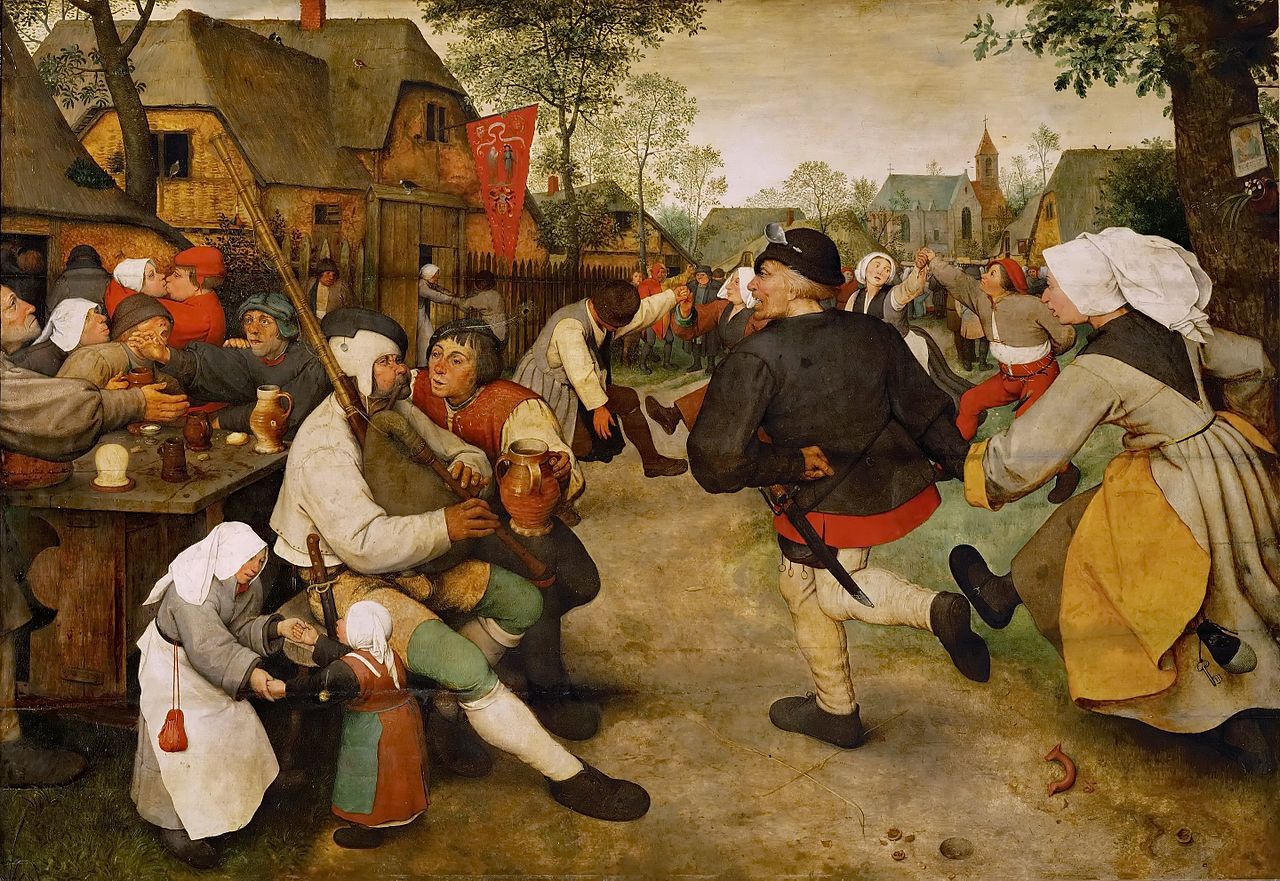

Characteristics and how genres work
Genres are defined by recurring elements: common plot devices, typical pacing, stylistic choices, instrumentation in music, or gameplay mechanics in games. These elements function as signals that guide creators and audiences. A work may conform closely to a genre, blend several genres (a hybrid), or deliberately subvert expectations to create novelty.
Common categories and examples
- Fictional genres: fantasy and science fiction often share imaginative settings but emphasize different conventions—mythic magic versus speculative technology. See examples in both literature and screen media, such as fantasy and science fiction.
- Nonfiction genres: biography, essay, reportage and academic writing, each organized by purpose and evidence standards.
- Musical genres: characterized by rhythm, harmony, instrumentation and cultural context.
History and development
Genre categories have evolved historically: ancient literary forms (epic, lyric, drama) gave way to later subdivisions (novel, short story). As media multiply, taxonomy adapts—new subgenres emerge alongside technological change, audience tastes and industry practices. The process is descriptive rather than strictly prescriptive; labels are tools, not fixed laws.
Uses, importance and distinctions
Genres help with marketing, discovery and critical analysis. Producers use genre cues to reach target audiences; educators and critics use them to compare techniques and meanings. Important distinctions include genre versus form (a novel is a form, whereas a detective novel is a genre) and genre versus mode (realism or satire operate across genres).
Cross‑media patterns and final note
Many genres migrate across formats: an idea that is a literary genre can become a film genre, a television format or a game category. This cross‑pollination encourages hybrid works and continual redefinition of boundaries. For further reading on classifications in interactive entertainment, consult resources on video game genres and on the linguistic root, see genus (Latin). For broader cultural treatments explore materials linked to music, literature, fantasy and science fiction.
Music
For European music, details are given under Form Theory (Music) and Genre (Music). The music of other cultural areas can also be structured accordingly (e.g. for African-American music blues, jazz, gospel or rhythm and blues).
For a list of music genres, see also the category page Music genre.
Related articles
Author
AlegsaOnline.com Genre: categories and cross‑media styles in art and media Leandro Alegsa
URL: https://en.alegsaonline.com/art/38063