
Puck — Shakespeare's mischievous fairy in A Midsummer Night's Dream
Puck is the playful, troublemaking sprite in William Shakespeare's A Midsummer Night's Dream. A servant of Oberon, he has folkloric roots as Robin Goodfellow and appears widely in literature and performance.
Overview
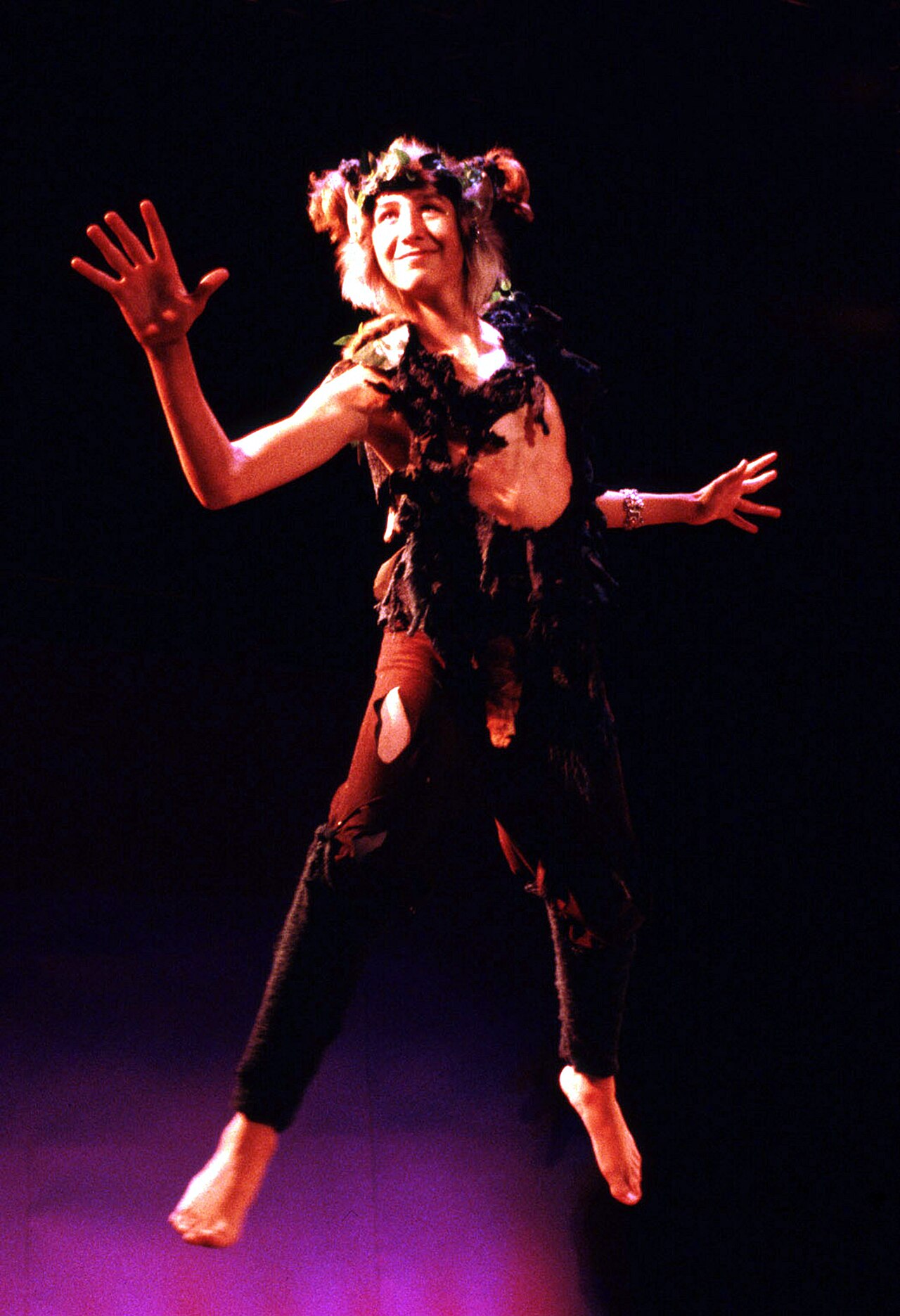
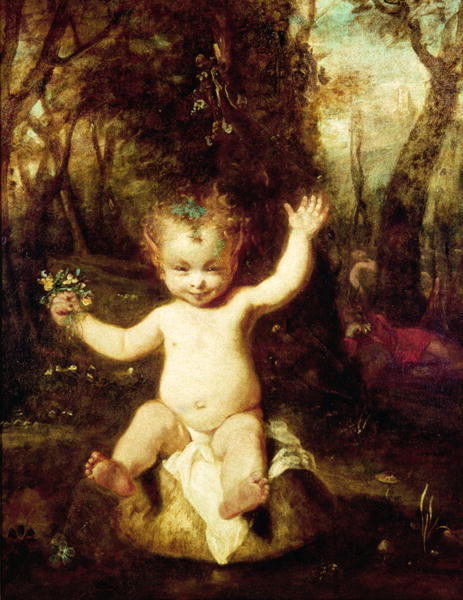
Puck is a central comic figure in William Shakespeare's play A Midsummer Night's Dream. Often called Robin Goodfellow, he serves the fairy king Oberon and advances several of the play's most famous confusions. Shakespeare's Puck combines caprice, speed and a relish for practical jokes; he also speaks directly to the audience at the play's close, a device that underlines his role as an intermediary between the world of humans and the realm of fairies. The character is usually described as playful rather than malign, and his blunders are the source of much of the comedy.
Image gallery
6 Images



Origins and folklore
The dramatic Puck draws on older English folk figures. Medieval and early modern sources record a spirit variously named pouke, Robin Goodfellow or Hobgoblin, a household or field sprite associated with mischief. Some early writers treated such beings as harmless tricksters while others warned they could be harmful; in a few accounts they were even linked with more sinister forces such as a demon or, in polemical texts, compared with the Biblical devil. References to puck-like creatures appear in medieval literature and popular belief through the time of Geoffrey Chaucer and later folkloric collections. The antiquarian Reginald Scot described and criticized belief in such sprites in his The Discoverie of Witchcraft, noting both tales of mischief and the shrinking public credulity toward them.
Character traits and abilities
Puck is portrayed as quick-witted, mischievous and fleet of foot. In Shakespeare's text he boasts he can "put a girdle round about the earth in forty minutes," an image of his extraordinary speed and elusiveness. He delights in leading travelers astray, stealing milk, frightening housemaids and meddling with human love. In the play he can manipulate perception and, by fairy power or disguise, alter appearances — most famously transforming the head of the weaver Bottom into that of a donkey — and he is entrusted with applying a love potion that he later misapplies, creating romantic chaos among the young Athenian lovers.
Notable actions in the play
- Applies Oberon's command to enchant Queen Titania and later releases her.
- Mistakenly anoints the eyes of the wrong Athenian lover, provoking comic mismatches.
- Transforms Bottom's head and orchestrates his strange liaison with the bewitched Titania.
- Acts as a mischievous narrator, addressing the audience in the epilogue and inviting forgiveness for any offence.
Cultural influence and adaptations
Puck's image has resonated beyond Shakespeare's stage. His name and persona appear in folklore studies, children's literature, visual art and stage and screen productions. The role has attracted many actors because of its energetic demands and ambiguous morality; a notable early film depiction was by Mickey Rooney in the 1935 screen version of A Midsummer Night's Dream. Over the centuries Puck has been variously romanticized, satirized and reused as a symbol of rustic misrule and imaginative freedom in works influenced by Shakespeare's play.
Distinctions and notable facts
Although Shakespeare transformed older folk material, his Puck is distinctive for combining aerial nimbleness, a fondness for practical jokes and an ambiguous moral tone that can seem either benign or disturbing. Antiquarian accounts like Scot's record the older, more ambivalent reputation of such sprites as household goblins or hobgoblins, while later critical traditions emphasize Shakespeare's inventive theatrical shaping. Modern productions of the play often highlight Puck's liminality — neither entirely human nor wholly otherworldly — and his power to blur boundaries between reality and enchantment, calling attention to the play's broader themes of love, identity and transformation.
Further reading and resources about the play and its characters are available through editions and studies of William Shakespeare's work and commentary on A Midsummer Night's Dream.
Related articles
Author
AlegsaOnline.com Puck — Shakespeare's mischievous fairy in A Midsummer Night's Dream Leandro Alegsa
URL: https://en.alegsaonline.com/art/79931
Sources
- bl.uk : A Midsummer Night's Dream