
Pygmalion — play by George Bernard Shaw
Pygmalion is a stage play by George Bernard Shaw exploring language, class and identity through the transformation of a Cockney flower seller into a lady.
Pygmalion is a comic drama by George Bernard Shaw that examines how speech, manners and social expectation shape identity. Written in the early 20th century, the play follows a linguist who undertakes to teach a working‑class woman to pass as a lady, and in doing so questions assumptions about class, power and human worth.
Image gallery
8 Images
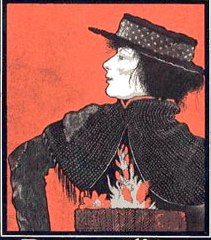
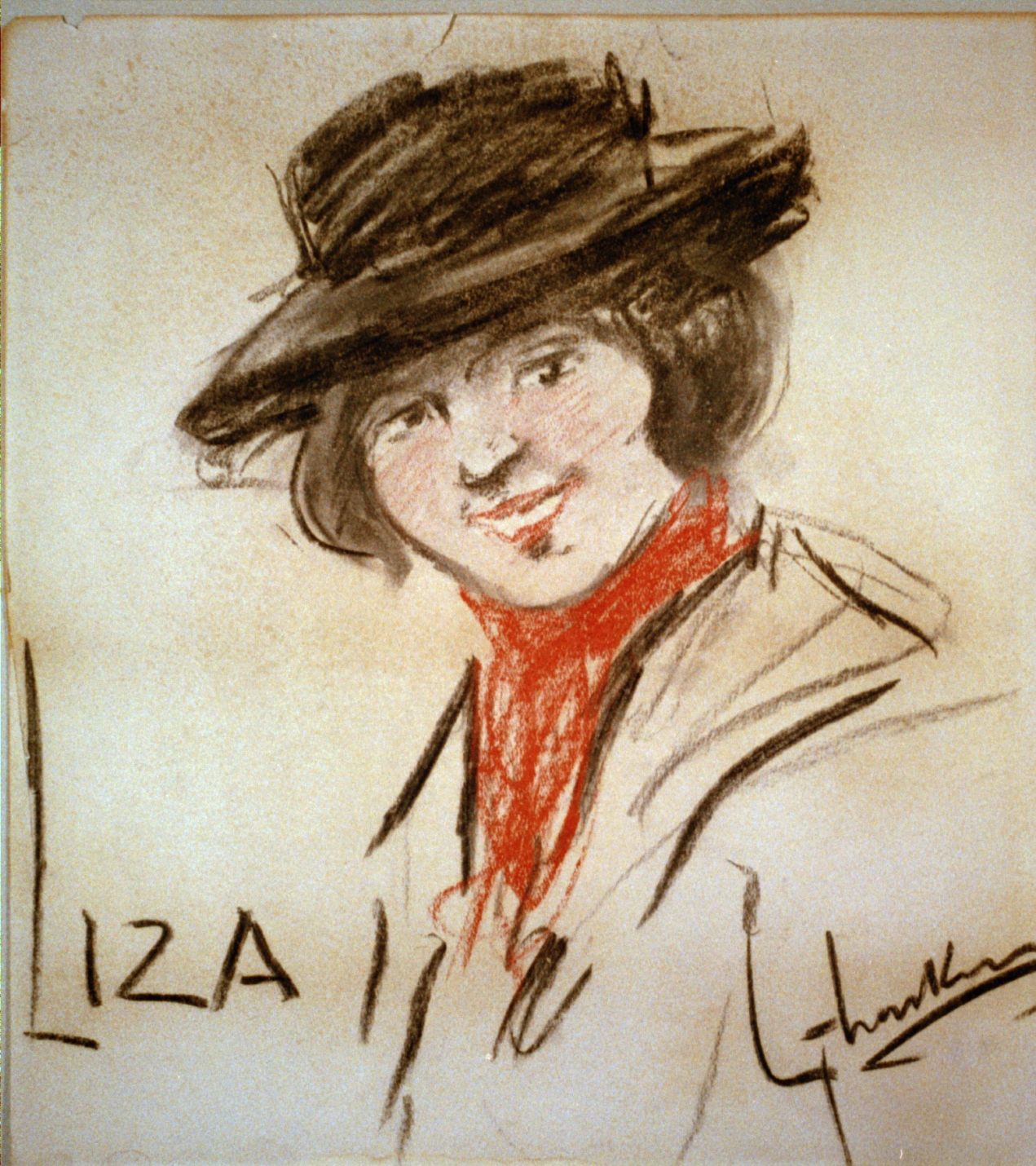
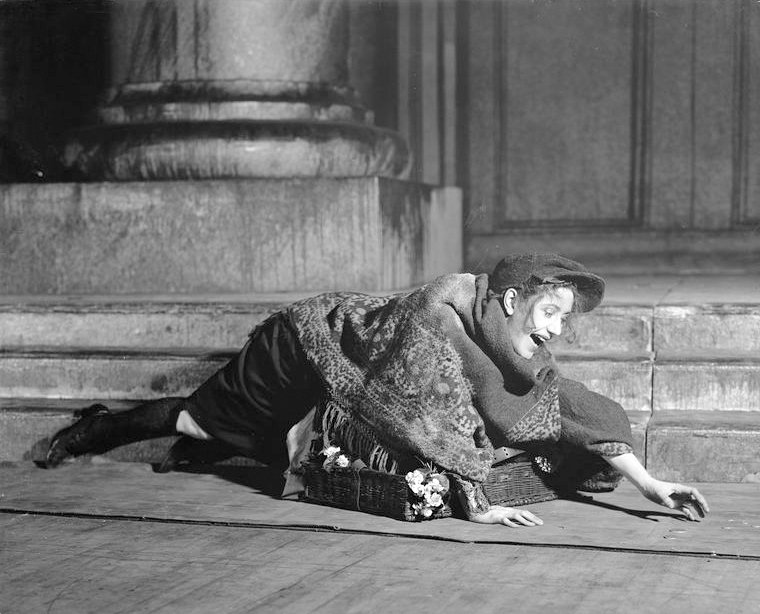

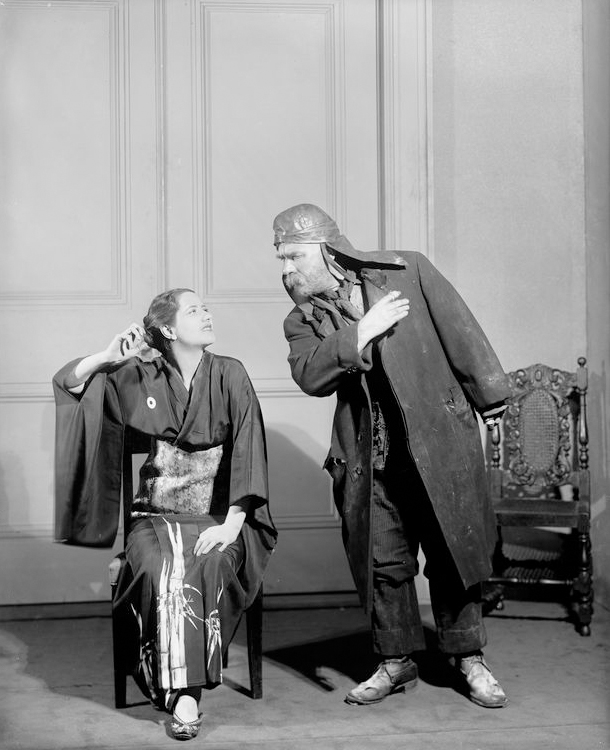


Plot and principal characters
The central relationship is between Professor Henry Higgins, an expert in phonetics, and Eliza Doolittle, a Cockney flower girl. Higgins transforms Eliza's accent and conduct so she can move in higher society. Other important figures include Colonel Pickering, Higgins's friend; Alfred Doolittle, Eliza's father; and various members of the middle and upper classes who test Eliza's new identity.
Structure and themes
The play is structured as a social comedy with serious undertones. Major themes include the role of language in social mobility, the performative nature of class, questions of autonomy and consent, and the limits of philanthropy and paternalism. Shaw probes whether changing outward signs alone can alter a person's social status or inner life.
History and adaptations
Pygmalion was first produced in the early 1910s and quickly became one of Shaw's best known works. It inspired multiple adaptations, most famously the stage musical and later film titled My Fair Lady, which brought the story to wider popular audiences while shifting some dramatic emphases.
Reception and legacy
The play is widely studied for its witty dialogue, ethical questions and critique of social stratification. Shaw's own prefatory notes and remarks about language and drama are often cited in discussions of theatrical realism and sociolinguistics. Critics and scholars continue to debate the characters' fates and the play's stance on romance versus independence.
Notable distinctions
- Pygmalion draws its title and some metaphorical resonance from the classical Pygmalion myth about a sculptor and his idealized statue.
- Shaw resisted interpretations that made the relationship overtly romantic; he emphasized social commentary over sentimental resolution.
- The play remains influential in conversations about language, class mobility and the ethics of transformation.
Related articles
Author
AlegsaOnline.com Pygmalion — play by George Bernard Shaw Leandro Alegsa
URL: https://en.alegsaonline.com/art/80214