
Rehearsal: practice and preparation for performance
Rehearsal is the structured practice that prepares musicians, actors, dancers and technical crews for public performance. Types include dress, technical, sectionals, open rehearsals and table reads.
A rehearsal is a planned session in which performers and production teams practise material to prepare for a public presentation. In performing arts contexts a rehearsal might precede a concert or a play staged in a theatre. The aim is to refine timing, ensemble coordination, interpretation and the interaction of sound, movement and stage action so the final performance appears smooth and intentional.
Image gallery
5 Images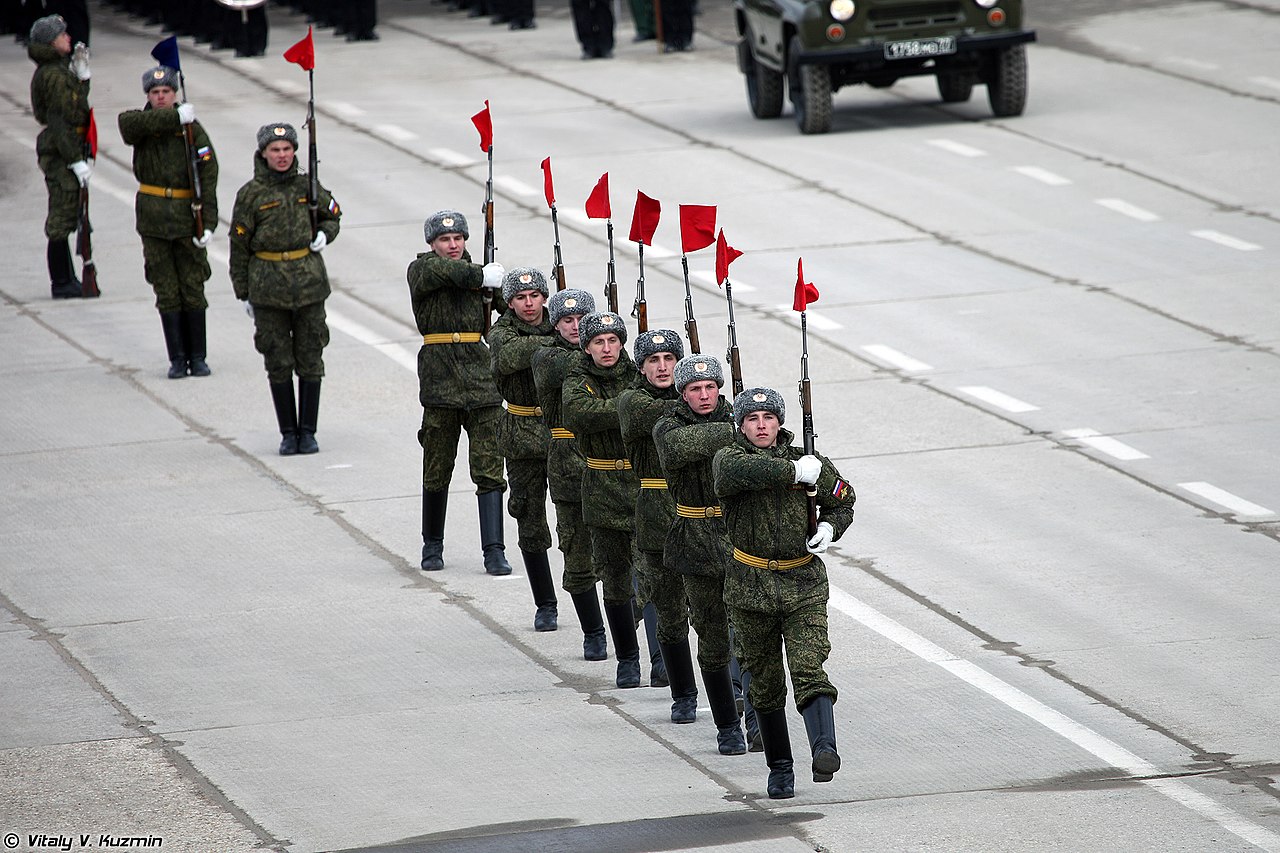


Common types and their purposes
Rehearsals take several specialized forms depending on the discipline and phase of preparation:
- Dress rehearsal — a full run in costumes and, when practical, in the performance venue. For actors this involves wearing the costumes and running shows at performance speed; for an orchestra it generally means the final full run in the hall without necessarily changing wardrobe.
- Technical rehearsal — focuses on lighting, sound, scenery changes, prop handling and cueing so that technical systems work in concert with performers; lighting cues and timing are a primary concern of a technical rehearsal.
- Sectional or section rehearsals — instrumental groups within an ensemble practise separately so they can address instrument-specific challenges; for example, string instruments will work together to agree on bowing and articulation.
- Open rehearsal — a rehearsal that admits an audience; opera houses and concert halls sometimes stage open rehearsals so the public can watch without paying full ticket price, though performers may "mark" or sing more gently.
- Table read and blocking rehearsal — common in theatre and film, where actors read and then practice movements and stage placement; this early work helps actors and directors, including actors, make interpretive choices.
How rehearsals are organised
Rehearsals are scheduled to move from small-scale work to full ensemble runs. Early sessions often emphasise problem areas, sight-reading, tempo and phrasing. Conductors, directors or choreographers set objectives: short targeted exercises, run-throughs of difficult passages, or complete runs to build stamina and confidence. Musicians use marking—singing or playing at reduced volume—to conserve voices or energy during repetitive rehearsals.
History, development and broader uses
The practice of rehearsing predates modern performance venues; ensemble practice and repetition have long been part of oral and theatrical traditions. Over time, rehearsal techniques have become more specialised as theatre, orchestral and dance practices developed distinct workflows. Rehearsals are also used in education, corporate presentations, and ceremonial drills where repetition reduces error and stress before a public or high-stakes event.
Notable distinctions and practical notes
- Dress rehearsal: final run intended to simulate performance conditions; audiences at some opera houses are sometimes admitted.
- Sectional rehearsals allow focused work on issues like bowing for strings or articulation for wind players.
- Open rehearsals require audience understanding that adjustments or stops may occur; participation can be educational for listeners.
- Technical rehearsals often precede dress rehearsals so lighting, sound and stage mechanics are reliable when performers rehearse full runs.
Whether for a small chamber group or a large-scale musical, rehearsals transform separate elements into a cohesive presentation and remain an indispensable step between preparation and performance.
Questions and answers
Q: What is a rehearsal?
A: A rehearsal is a practice before a concert or play in a theatre or some other performance, where the group of performers get together to rehearse.
Q: What is a dress rehearsal?
A: A dress rehearsal is the last rehearsal before the performance. In a theatre, actors will be wearing their costumes during this time. For music groups, it simply means that it is the last rehearsal and it will be in the hall where they are going to perform so that everything is as it will be for the performance.
Q: What are section rehearsals?
A: Section rehearsals or sectionals mean that each group of instruments rehearse separately, e.g. all string instruments rehearsing together. This can help them concentrate on parts which may be difficult for them and discuss bowing techniques etc.
Q: What is an open rehearsal?
A: An open rehearsal is one which members of the public can come and watch - sometimes free entry or at reduced cost compared to tickets for performances. The audience should understand that if something goes wrong then the performance may need to stop and rehearse again.
Q: How do singers save their voices during rehearsals?
A: Singers often save their voices by not singing as loudly as they would during performances - this technique is known as "marking".
Q: What type of things are practised during technical rehearsals?
A: Technical rehearsals in theatres involve practising things such as lighting and using props.
Related articles
Author
AlegsaOnline.com Rehearsal: practice and preparation for performance Leandro Alegsa
URL: https://en.alegsaonline.com/art/81928