
Goblin (folklore, literature, and popular culture)
A goblin is a small, often malevolent or mischievous creature from European folklore that has been adapted across literature, games, and popular culture into many varied forms and roles.
Overview
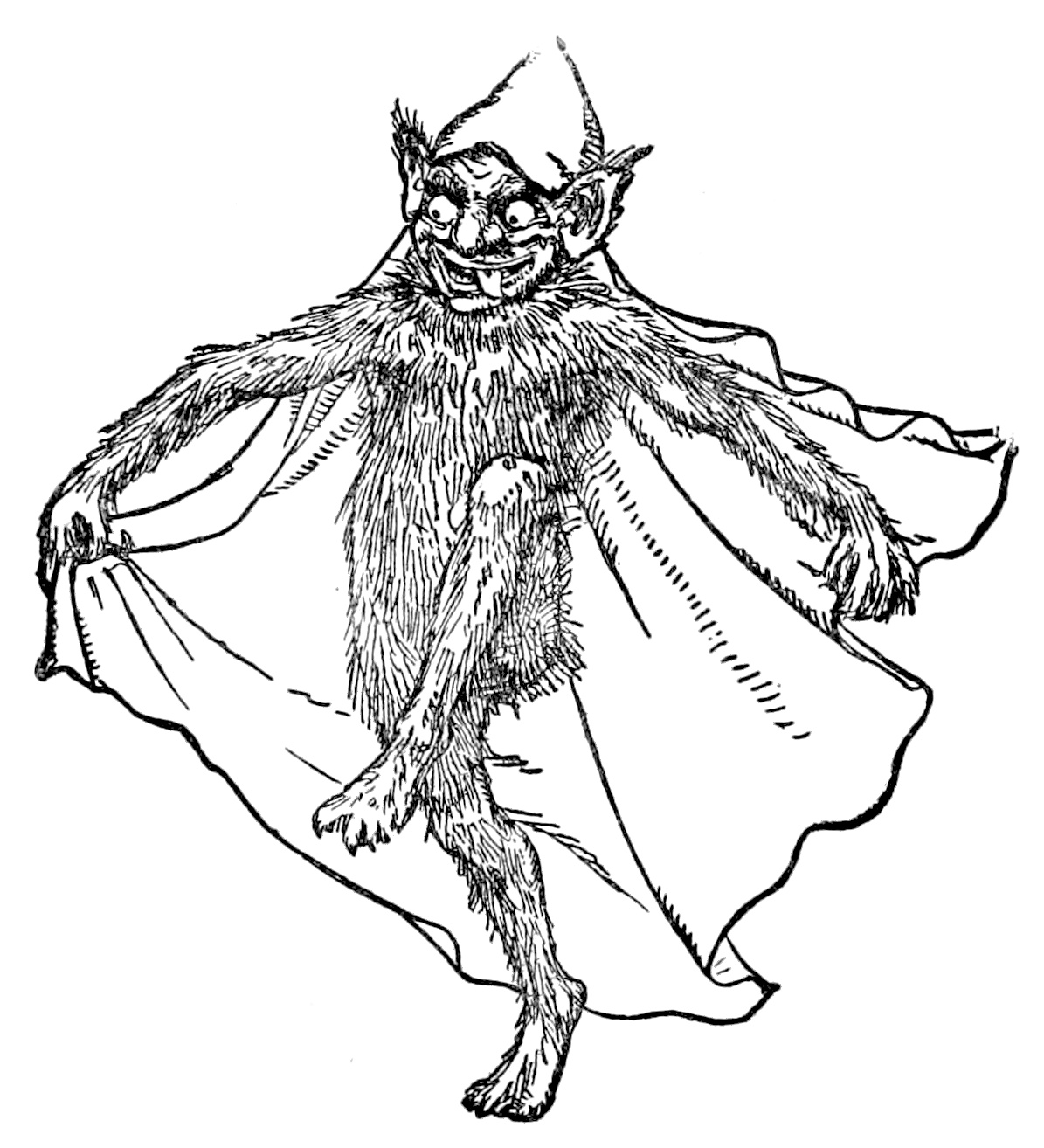
A goblin is a figure from traditional European folklore often portrayed as a small, grotesque, and mischievous humanoid creature. Stories about goblins describe a wide range of behaviors and temperaments: from petty tricksters and household nuisances to dangerous, thieving beings. The word has passed into many languages and been reused in modern fiction and gaming with diverse interpretations. For a general reference see this source.
Image gallery
4 Images


Characteristics
Descriptions of goblins vary by time and place, but several recurring traits appear in folktales and later works:
- Size and appearance: usually small or stunted, often depicted as ugly, malformed, or animal-like.
- Behavior: mischievous, greedy, and prone to trickery; some stories emphasize malice, others mere nuisance.
- Habitat: linked to human dwellings, caves, mines, or wild places where they can ambush travellers or hoard objects.
- Abilities: cunning, stealth, and sometimes limited magic or craft skills depending on the tradition.
History and origins
The goblin figure emerged from medieval and early modern European folk belief systems that populated the landscape with spirits and monsters. The term appears in Middle English and Old French sources and likely consolidated several local traditions of household and wood-dwelling sprites, bogies, and creatures that explained misfortune, lost items, or unexplained noises. Over centuries, oral tales, medieval literature, and later collectors of folklore transformed and standardized many features now associated with goblins.
In literature, games, and film
From Victorian fairy collections to modern fantasy, goblins have been reimagined repeatedly. Authors and creators adapt the core idea—small, unruly humanoids—for different narrative roles.
- 19th–20th century: fairy tales and fantasy stories solidified the goblin as a stock creature of mischief and menace.
- Contemporary fantasy and role-playing games: goblins are common adversaries or comic relief—often numerous, crafty, and organized into tribes in games and novels.
- Popular media variations: some works present goblins as craftsmen, bankers, or complex societies, showing how flexible the concept has become.
Distinctions and notable facts
Goblins are related to but distinct from other folkloric creatures: imps tend to be smaller demons, brownies are usually helpful household spirits, and orcs or ogres are typically larger and more brutish. Modern portrayals can shift a goblin's moral tone dramatically, turning an old trickster into a sympathetic character or a standard villain. Their continued presence in storytelling reflects enduring human interest in creatures that embody disorder, greed, and the uncanny.
Related articles
Author
AlegsaOnline.com Goblin (folklore, literature, and popular culture) Leandro Alegsa
URL: https://en.alegsaonline.com/art/39367