
Puppet: Forms, Techniques, History and Cultural Uses
Puppets are crafted figures animated by people to tell stories, teach, entertain, or perform ritual functions. This article surveys forms, mechanisms, history, uses, and distinctions from dolls and automatons.
Overview
A puppet is an object—often a figure resembling a person, animal or creature—that is manipulated to create the illusion of independent life. Puppets appear in theatrical presentations, street performance, television, ritual contexts and educational settings. A puppeteer is the person who operates a puppet; they may work out of sight or perform openly, depending on style and tradition. Puppetry blends visual craft, movement technique and vocal performance to convey character and narrative.
Image gallery
10 Images




Common types and mechanisms
Puppets are made in many forms and use a variety of control systems. Typical categories include:
- Marionettes—suspended and controlled by strings or fine lines from above.
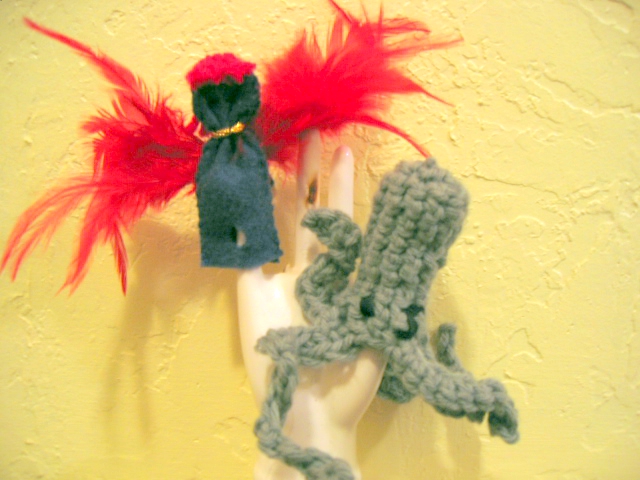
- Hand or glove puppets—worn over the hand so fingers animate the head and arms.
- Rod puppets—movement is produced by sticks or rods attached to limbs or body.
- Shadow puppets—flat figures manipulated between a light source and screen to create silhouettes.
- Ventriloquist dummies—operated by a visible performer who also supplies a voice and illusion of separation.
Materials range from carved wood and cloth to modern foam and latex. Mechanisms can be simple (a hinged jaw) or complex (multiple strings, internal linkages, or mechanical controls) and are chosen to suit scale and desired expressiveness.
History and cultural traditions
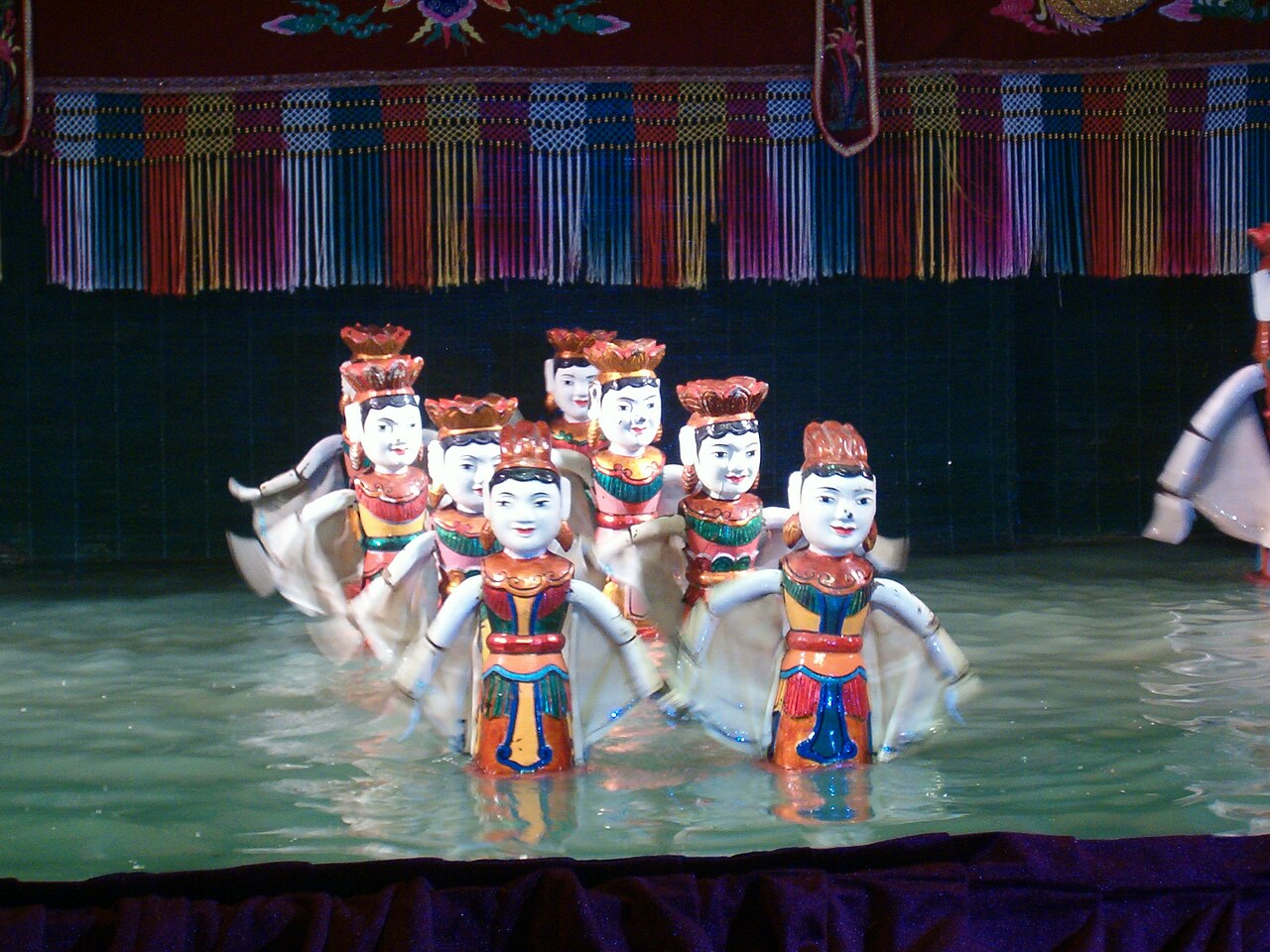
Puppetry is ancient and global: it has long roots in Asia, Europe, Africa and the Middle East. Different cultures developed distinctive styles—Japanese bunraku with multiple visible operators, Indonesian wayang shadow plays, and European string marionette theatre are well known examples. Puppetry has served religious, ceremonial and storytelling functions, preserving myths and teaching social values across generations.
Uses and importance
Puppets serve many practical roles: they entertain in stage and broadcast media, communicate complex ideas in education and public health campaigns, and support therapeutic work by creating a safe medium for expression. Puppetry also offers political and social commentary through satire and allegory. Modern technology has extended puppetry into film, animatronics and hybrid performances that combine live manipulation with digital effects.
Distinctions and notable facts
Puppets differ from dolls primarily in purpose and control: dolls are often static toys, while puppets are designed for performance. They also differ from automatons, which are self-moving devices usually powered by clockwork or motors. Some traditions keep puppeteers hidden to sustain the illusion; others, like ventriloquism or bunraku, show operators intentionally as part of the art. For further reading on performance contexts see theatre overviews and comparative discussions that consider material, cultural and technical approaches to this enduring art form. For information about related objects, consult pages about dolls and resources on manipulation techniques at ventriloquism.
Questions and answers
Q: What are puppets?
A: Puppets are objects used in theatrical performances that resemble dolls and are manipulated by a puppeteer to make them move and look alive.
Q: What do some puppets use to move?
A: Some puppets use strings or other means to make them move.
Q: Are all puppets simple to use?
A: No, some puppets are more complicated and require skill to use.
Q: What is the person who works the puppet called?
A: The person who works the puppet and makes it move is called a puppeteer.
Q: Can the audience see the puppeteer?
A: The audience cannot usually see the puppeteer, but in some cases, such as a ventriloquist and dummy act, they are in full view of the audience.
Q: Are there different types of puppets around the world?
A: Yes, there are many different types of puppets to be found around the world.
Q: Is puppetry an important art form in some cultures?
A: Yes, puppetry is a special art form that is very important in some cultures.
Related articles
Author
AlegsaOnline.com Puppet: Forms, Techniques, History and Cultural Uses Leandro Alegsa
URL: https://en.alegsaonline.com/art/80107