
Rent (musical)
A rock musical by Jonathan Larson that reimagines Puccini's La bohème for late 20th-century New York, celebrated for its songs, themes of community and illness, and long Broadway run.
Overview
Rent is a rock musical with music, lyrics and book by Jonathan Larson. It retells the basic premise of the 19th-century opera La bohème through a contemporary, urban lens; the connection to that opera is often noted in program notes and critical discussions (see source, background). Set among young artists and friends in New York City, the piece addresses love, creativity, poverty and the impact of the AIDS crisis.
Image gallery
7 Images
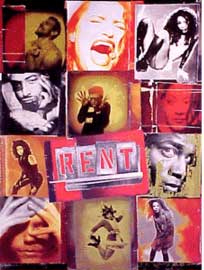


Style and structure
Larson blended rock, pop, gospel and musical-theatre idioms to create a score that feels immediate and emotionally direct. The show mixes intimate scenes with ensemble numbers and contains several songs that entered broader popular culture, including anthemic and reflective pieces. Performances typically emphasize raw, lived-in acting and contemporary staging rather than stylized operatic form.
Principal songs and characters
- Songs: "Seasons of Love," "La Vie Bohème," "Rent," "Take Me or Leave Me," "I'll Cover You."
- Characters: Mark, Roger, Mimi, Maureen, Joanne, Tom Collins, Angel, Benny. These roles form a tight ensemble whose relationships drive the story.
History and productions
After workshops and development in the early 1990s, Rent opened off-Broadway and then transferred to Broadway at the Nederlander Theatre; its Broadway opening took place on April 29, 1996 at the Nederlander (Broadway information). Jonathan Larson died suddenly the night before the first off-Broadway preview, an event that shaped early coverage of the show. Rent ran for several years on Broadway and became one of the longest-running shows of its era, later receiving a West End staging (West End) and a 2005 film adaptation (film).
Awards, influence and legacy
Rent won major accolades including the Tony Award for Best Musical (Tony Award) and the Pulitzer Prize for Drama (Pulitzer Prize). Beyond prizes, its influence includes widening the musical-theatre audience, bringing contemporary issues into mainstream stages, and inspiring numerous productions, tours and amateur stagings. Discussions of its legacy consider both its artistic innovations and debates about representation, casting, and commercialization as the work moved from fringe to mainstream.
Further notes
The show remains frequently revived and studied as an example of late-20th-century musical theatre that fused popular music styles with socially engaged storytelling. For production histories, licensing details and educational materials consult official theatre resources and archived critical reviews.
Related articles
Author
AlegsaOnline.com Rent (musical) Leandro Alegsa
URL: https://en.alegsaonline.com/art/82178